Improving Health and Well-being in Remote and Underserved Communities
At ROPES, we recognize that access to quality healthcare remains a significant challenge for families living in remote, forest-based, tribal, and marginalized communities. Many villages we serve are located in difficult-to-reach areas with limited transportation, inadequate health infrastructure, and restricted access to essential health services.
Our Health Program is designed to bridge these gaps by promoting preventive healthcare, improving health awareness, strengthening community-based health systems, and facilitating access to critical health services for vulnerable populations, particularly women, children, adolescents, and tribal communities.
Through community engagement, health education, and partnerships with government health departments and local stakeholders, ROPES works to ensure that every individual has the opportunity to lead a healthy and productive life.
Our Objectives
- Improve health outcomes among vulnerable rural, tribal, and marginalized communities.
- Enhance access to essential healthcare services in remote and underserved areas.
- Promote preventive healthcare practices and healthy behaviors.
- Strengthen maternal, newborn, child, and adolescent health.
- Increase community awareness regarding nutrition, hygiene, reproductive health, and disease prevention.
Key Interventions :
Maternal and Child Health Awareness Programme
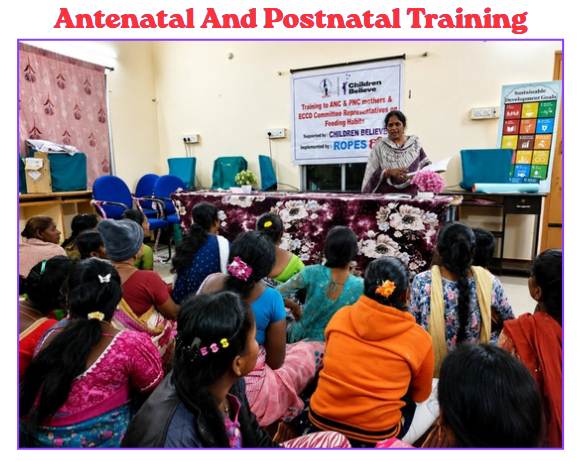
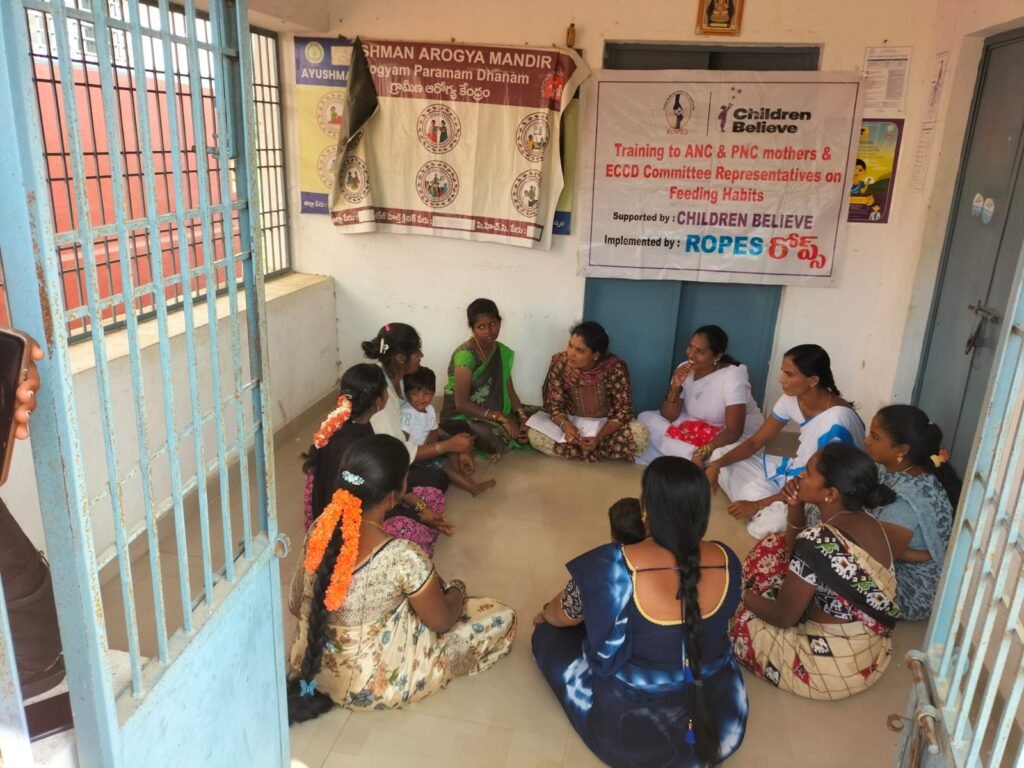
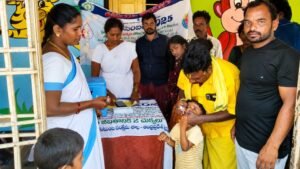
ROPES implements Maternal and Child Health Awareness Programmes in 40 villages to promote the health and well-being of pregnant women, lactating mothers, and young children. The programme focuses on safe pregnancy, maternal nutrition, antenatal and postnatal care, breastfeeding, immunization, newborn care, child development, and positive parenting practices.
Through awareness sessions, village-level trainings, and Mother’s Committees, women receive essential health information that encourages the use of government health services and healthy childcare practices. The programme helps improve maternal and child health, reduce health risks, and strengthen community awareness on nutrition and child development.
Total Beneficiaries: More than 400 Antenatal and Postnatal Mothers Benefited Per Year
Psychosocial support :
Main beneficiaries include:
Individuals facing stress, emotional distress, or depression
Husbands and wives experiencing family or relationship conflicts
People facing financial difficulties and economic stress
Individuals seeking support related to health and education
Families facing personal, social, or family-related problems
Children and families requiring guidance and emotional support
Through village-level visits, we identify people’s concerns and provide counselling, emotional support, guidance, and referrals when necessary, helping beneficiaries cope with their problems and improve their overall well-being.
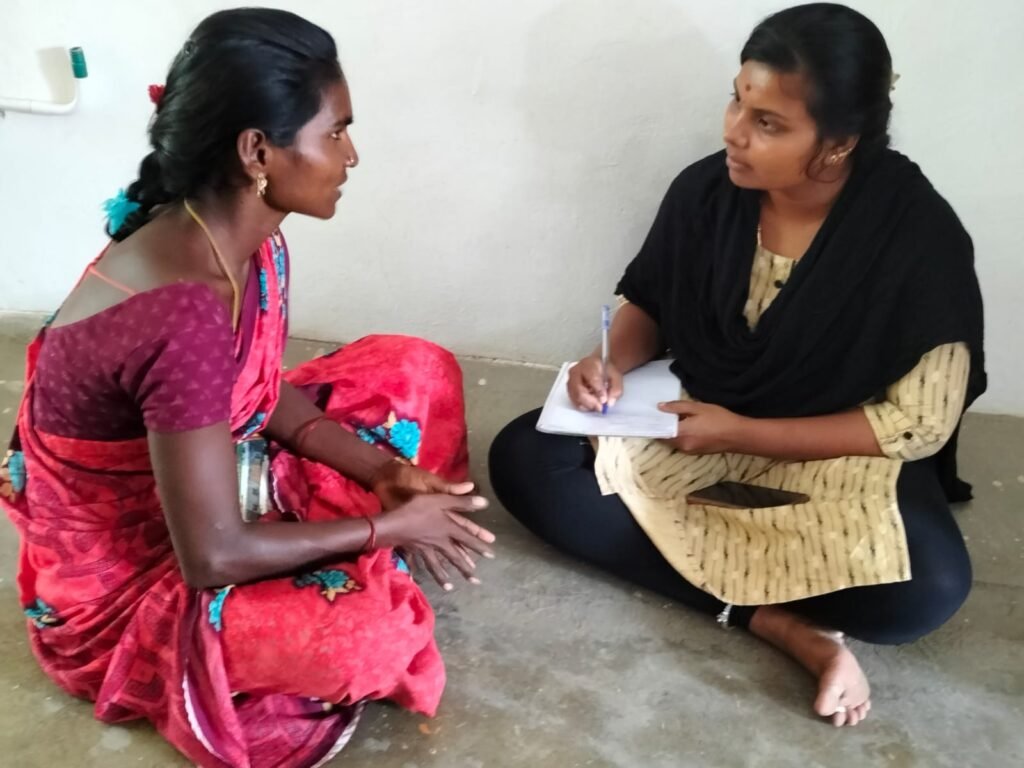
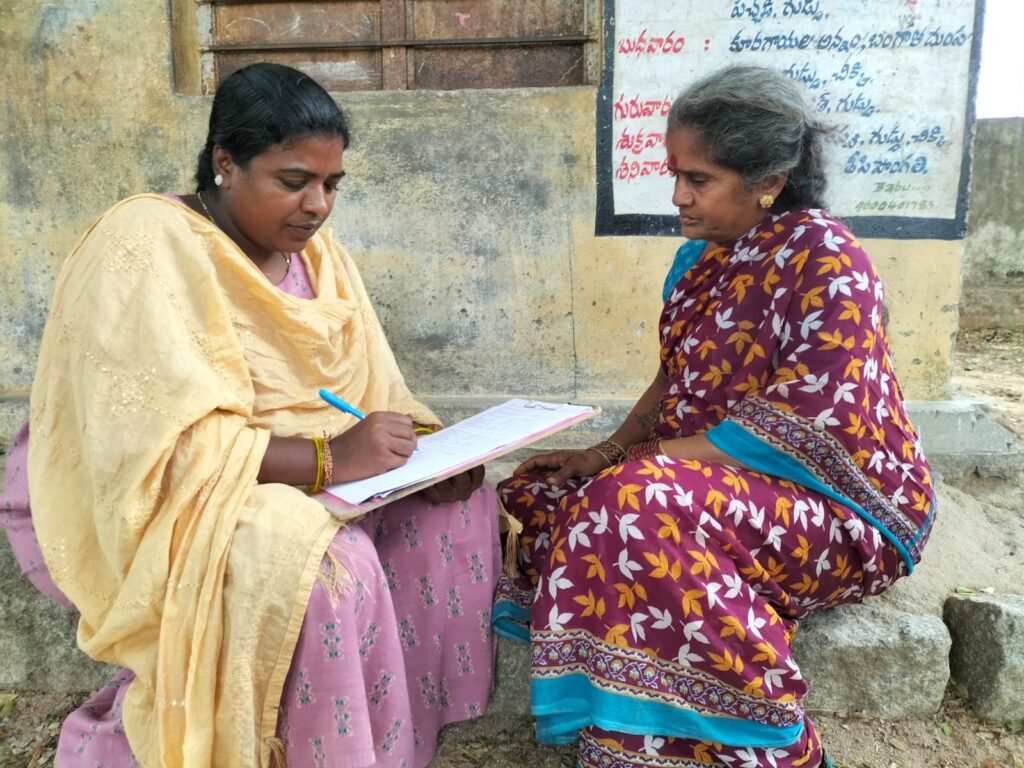
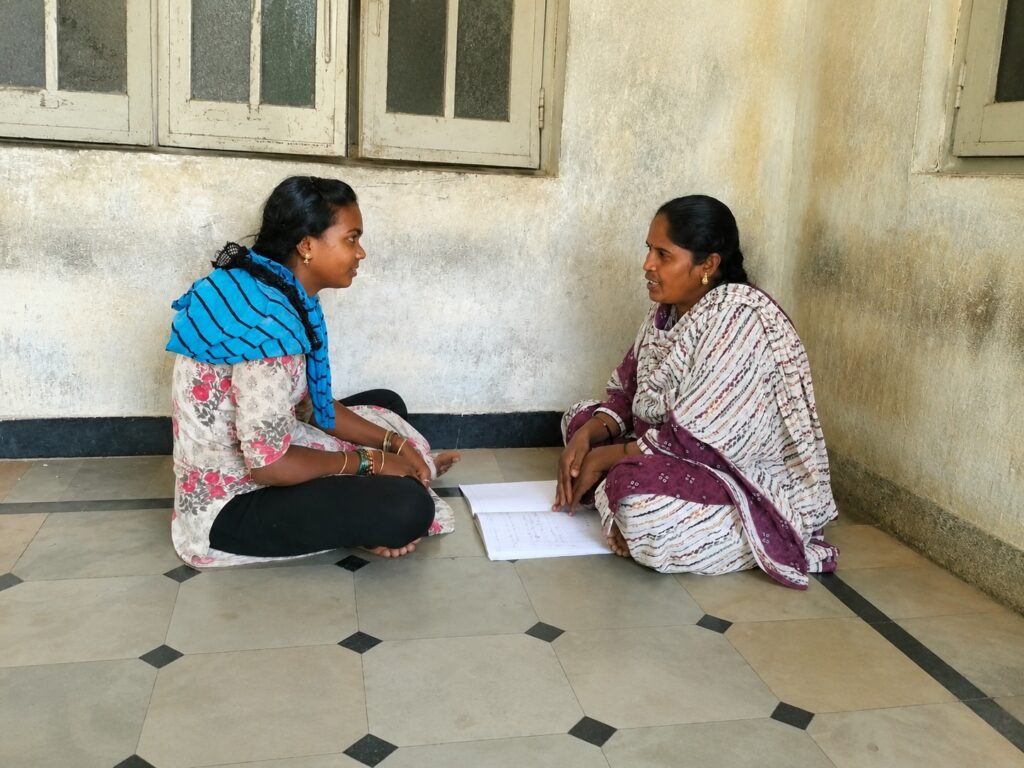
Total Beneficiaries: 143,
Female : 73
Male : 70
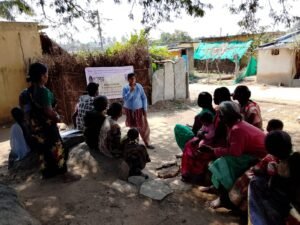
Antenatal And Postnatal Training
Sexual and Reproductive Health Rights (SRHR) Awareness Programme :
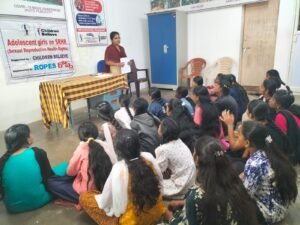
ROPES conducts Sexual and Reproductive Health Rights (SRHR) Awareness Programmes for adolescent girls from Dalit, Tribal, and minority communities to promote health, hygiene, gender equality, and personal safety. The programme provides accurate information on adolescent health, menstrual hygiene management, reproductive health, life skills, and healthy lifestyle practices.
Through awareness sessions and menstrual hygiene education, girls gain confidence, improve their health practices, and develop a better understanding of their rights and well-being. Sanitary napkins are distributed to support safe menstrual hygiene and encourage healthy behaviors.
The programme empowers adolescent girls to make informed decisions about their health, education, and future while promoting dignity, self-respect, and gender equality.
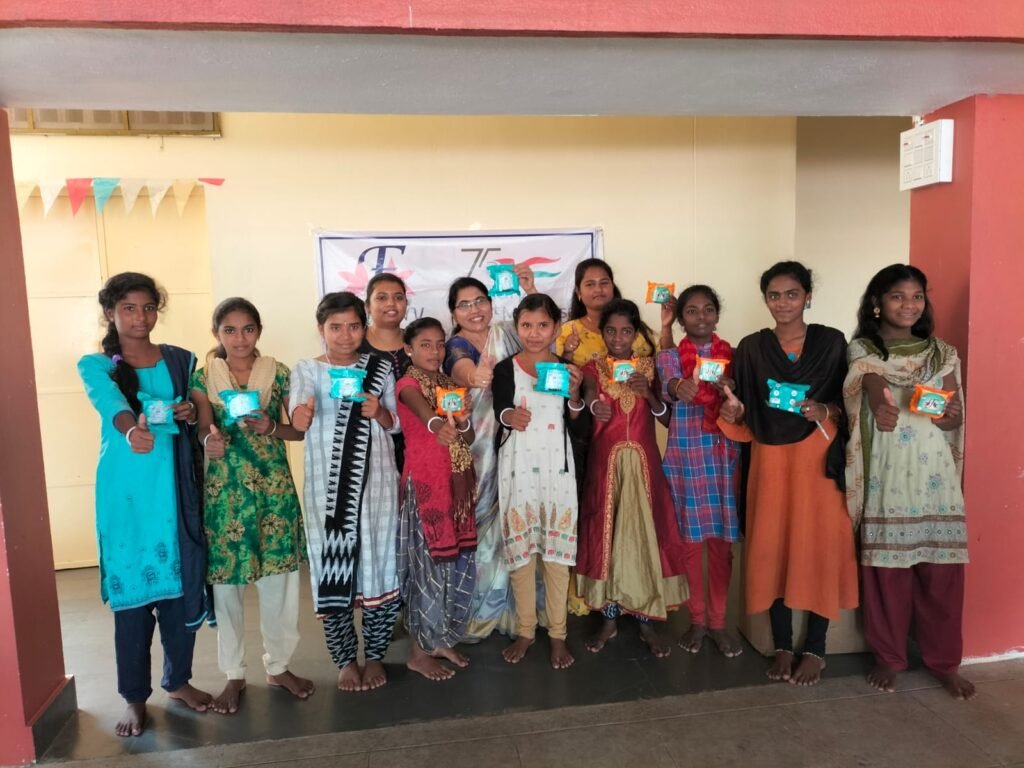
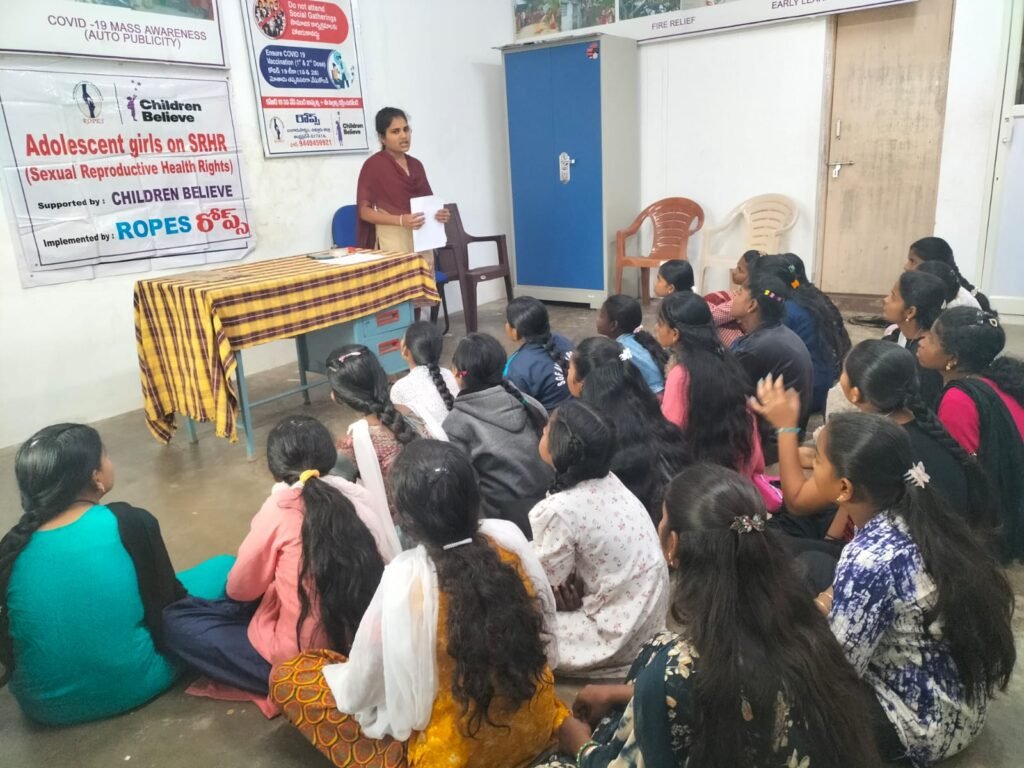
Total Beneficiaries: 1,877 Adolescent Girls
Sanitary Napkins Distributed: 5,631
Immunization Support :
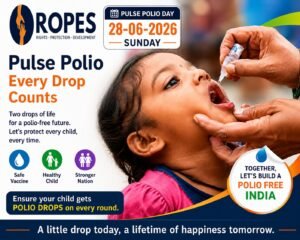
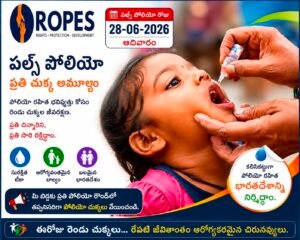
ROPES supports immunization programmes to ensure that children receive timely vaccinations and are protected from preventable diseases. Through awareness campaigns, community mobilization, and coordination with health departments, the programme encourages parents to access essential immunization services for their children.
The initiative promotes child health, reduces the risk of disease, and contributes to the overall well-being and healthy development of children in rural communities.
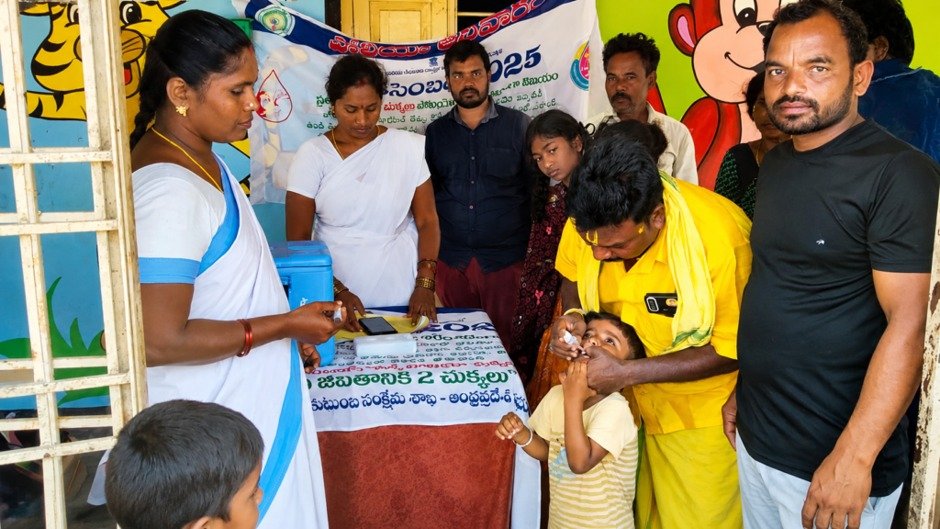
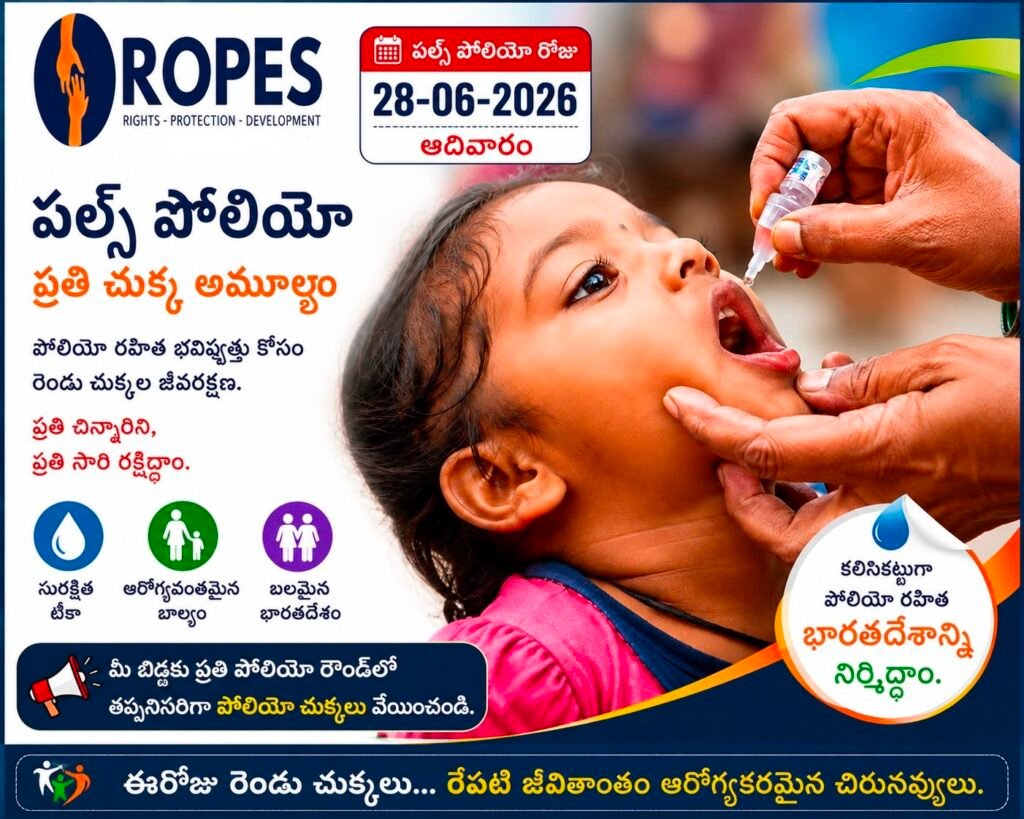
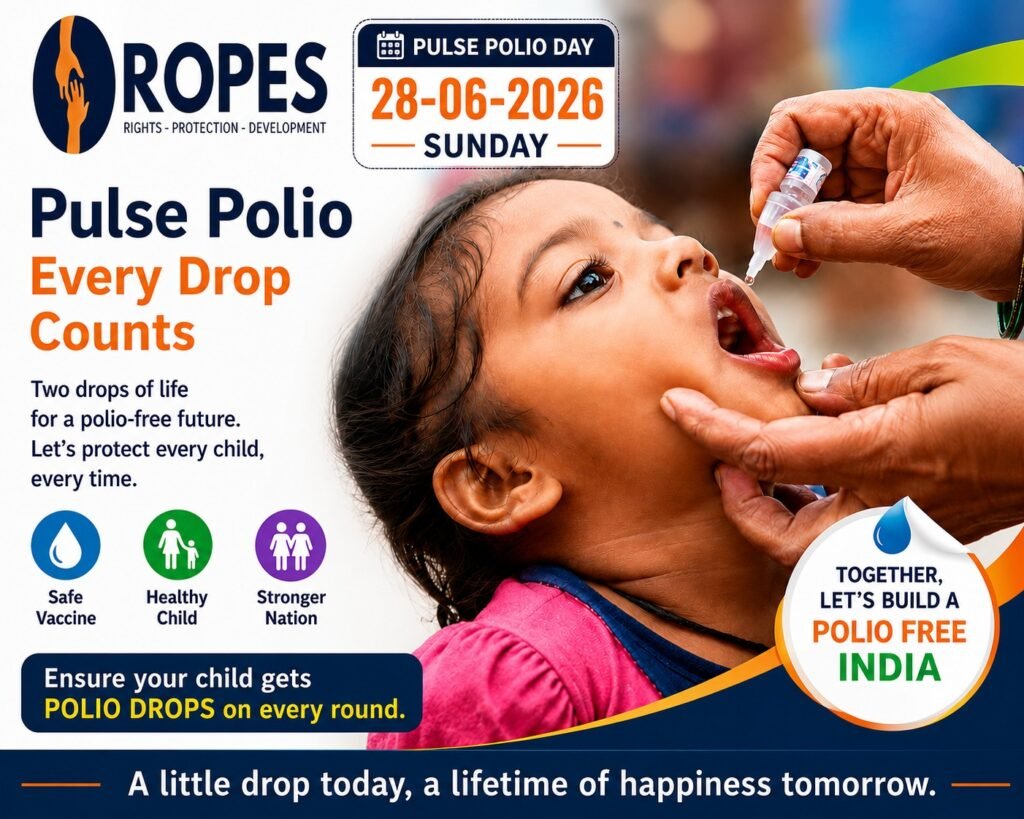
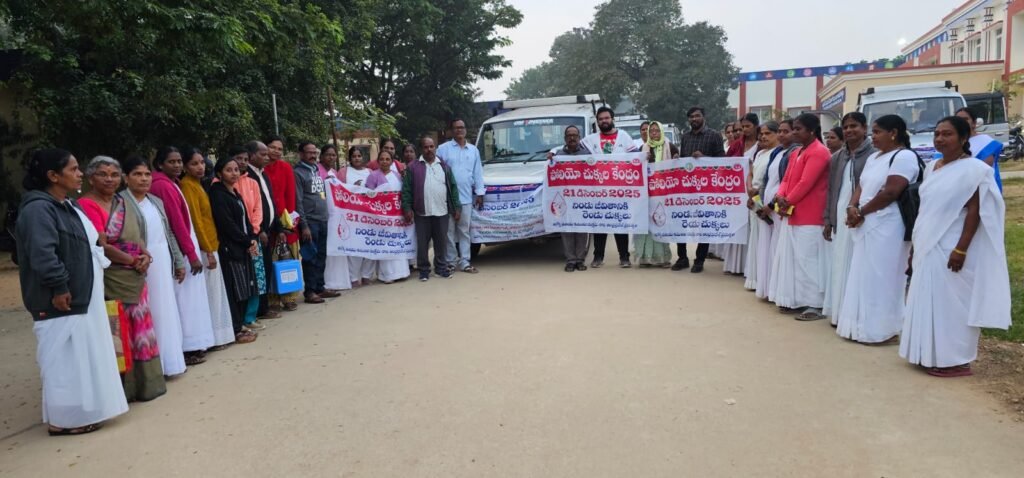
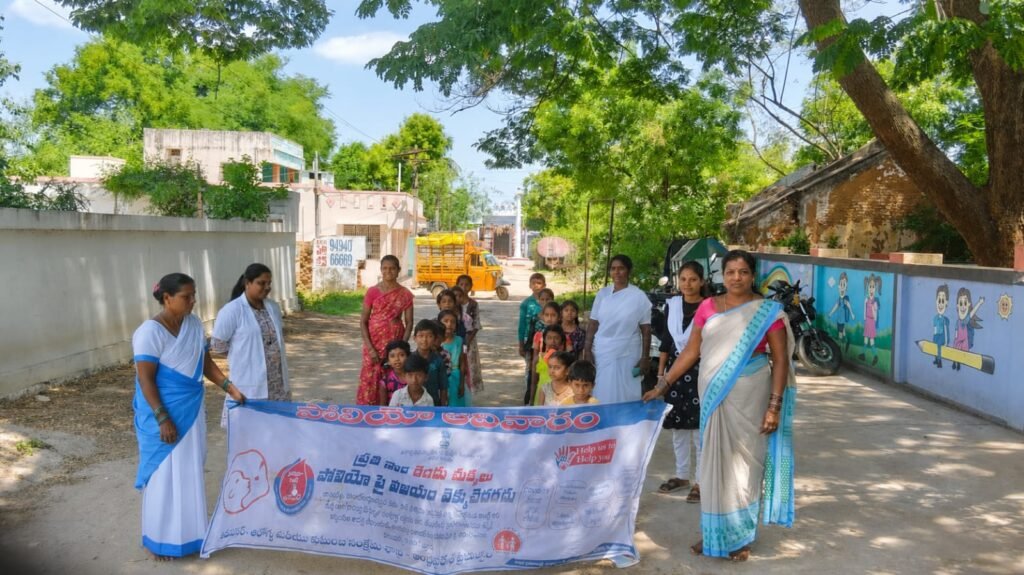
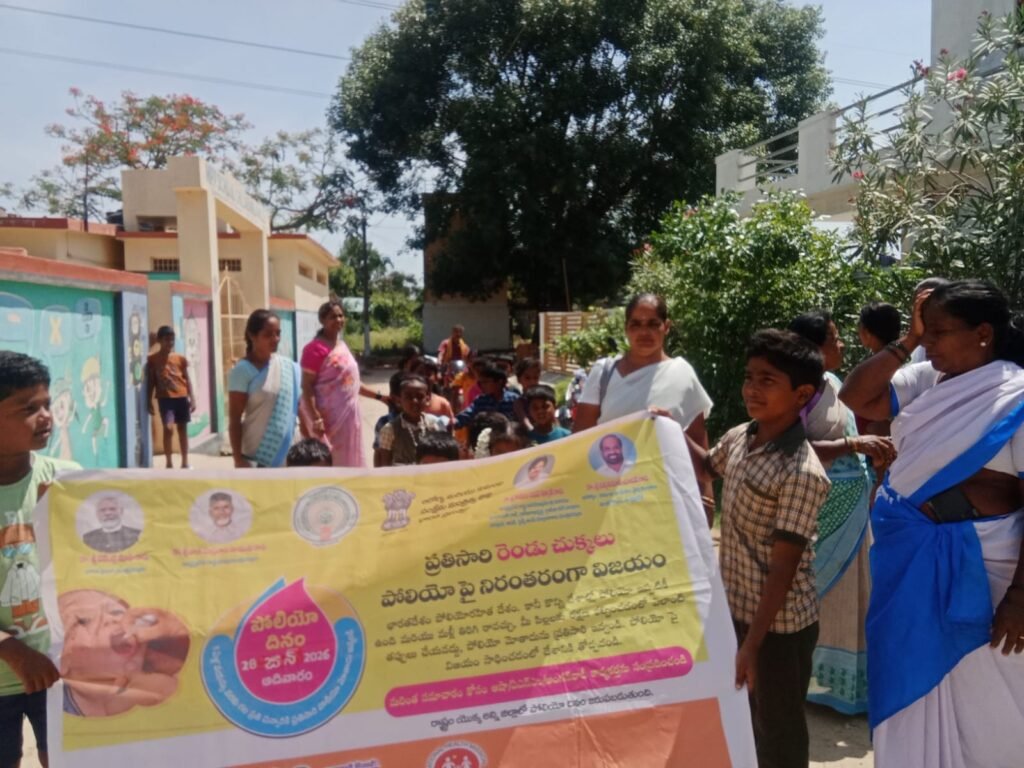
Annual Beneficiaries: [20000] Children benefit from immunization support services each year.
Refresher Training for Anganwadi Teachers :
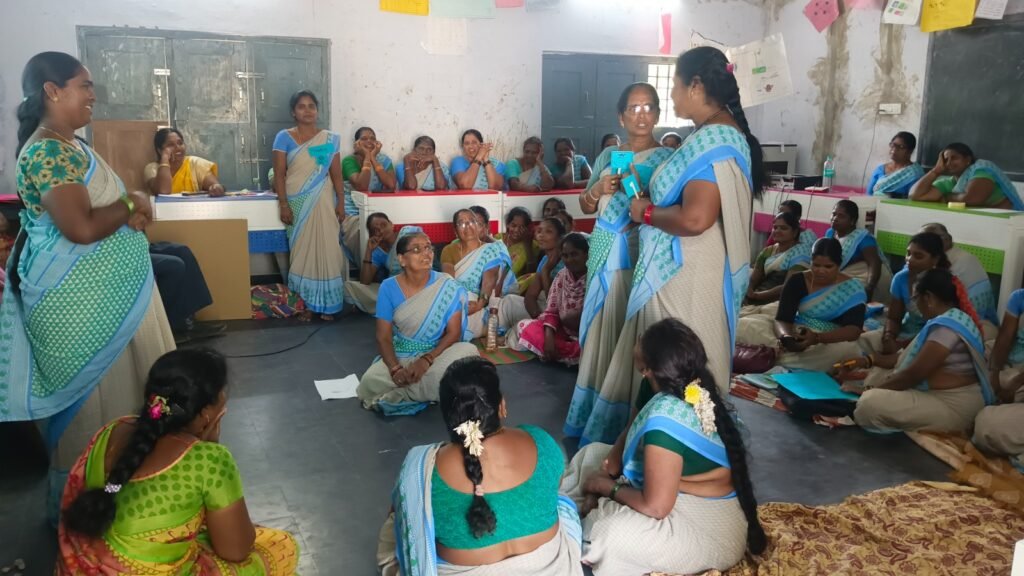
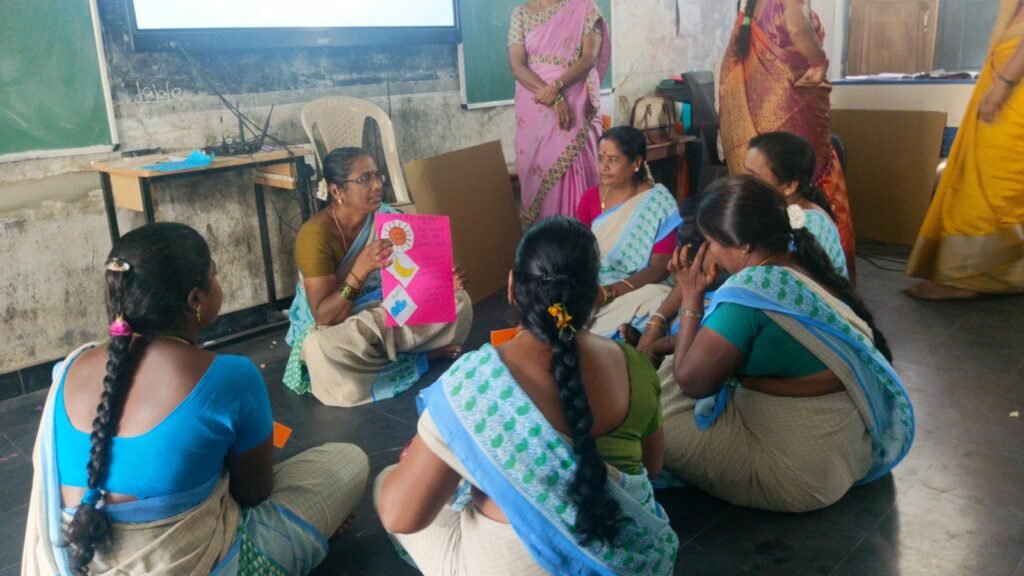
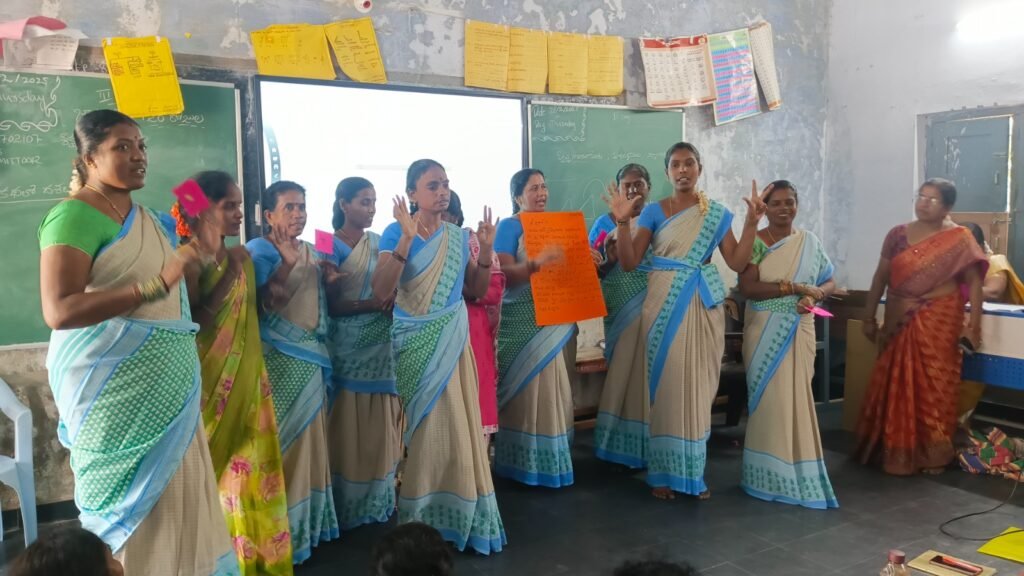
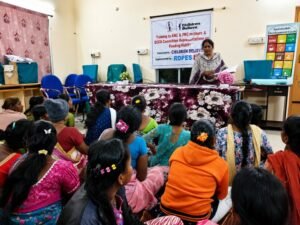
ROPES organized a three-day Refresher Training Programme to strengthen the knowledge and skills of Anganwadi Teachers in delivering quality Early Childhood Care and Education (ECCE) services. The training focused on child-centered teaching methods, school readiness, early childhood development, parenting education, and Learning Through Play (LTP) approaches.
To support interactive and activity-based learning, Learning Through Play (LTP) Kits were distributed to participating Anganwadi Centres. The programme enhanced teachers’ capacity to create child-friendly learning environments and effectively promote children’s cognitive, social, emotional, and physical development.
Annual Beneficiaries: 45 Anganwadi Teachers from 32 villages benefit from refresher training programmes each year.
Community Health Worker Capacity Building :
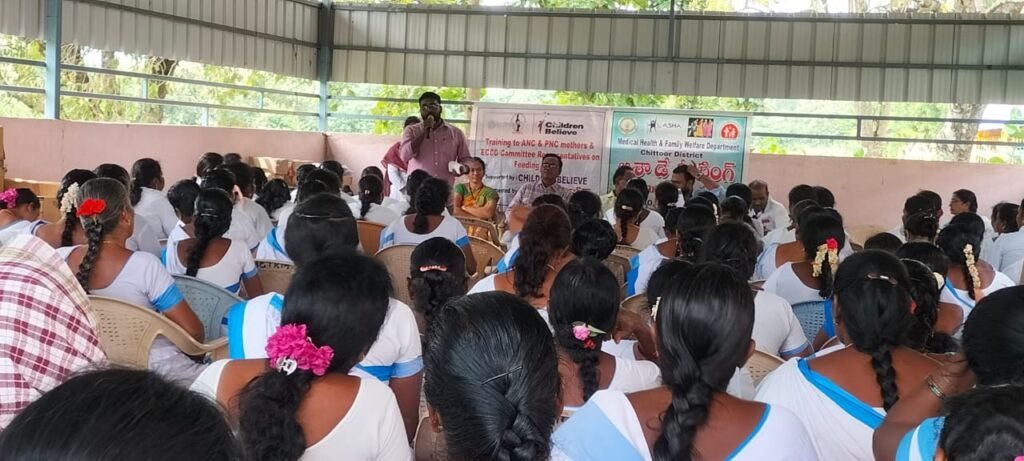
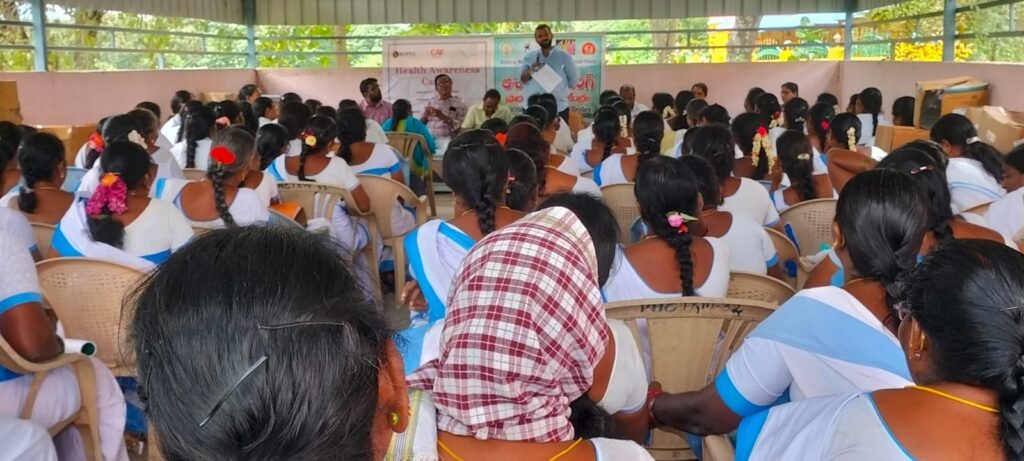
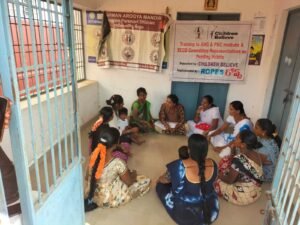
ROPES strengthens community-based healthcare systems by building the capacity of community volunteers, village leaders, and frontline workers through regular training and awareness programmes. The initiative equips participants with knowledge and skills to identify common health issues, provide basic health guidance, support timely referrals, and promote healthy practices within their communities.
Through capacity-building efforts, community health workers play an important role in improving health awareness, encouraging preventive healthcare, and connecting vulnerable families with essential health and nutrition services. The programme contributes to healthier communities and improved access to basic healthcare at the grassroots level
Our Impact :
Through its health interventions, ROPES has contributed to improving healthcare awareness, access, and utilization among underserved populations living in remote rural and tribal areas.
Our efforts have contributed to:
- Increased awareness of preventive healthcare practices.
- Improved immunization coverage among children.
- Enhanced maternal and child health outcomes.
- Increased utilization of antenatal and postnatal healthcare services.
- Improved awareness and adoption of healthy nutrition practices during the first 1,000 days.
- Greater knowledge of sexual and reproductive health among adolescents and young women.
- Improved menstrual hygiene management and dignity for adolescent girls.
- Increased access to healthcare services through outreach and referral support.
- Reduction in preventable illnesses through community awareness and early intervention.
By bringing healthcare information and services closer to vulnerable communities, ROPES is helping build healthier families, stronger communities, and a more equitable future for all.
[PFG id=”1358″