Building Resilient Communities During Emergencies
ROPES implements Disaster Risk Reduction (DRR) initiatives to support poor and vulnerable communities affected by floods, cyclones, heavy rains, droughts, and other emergencies. Through disaster preparedness, emergency relief, and recovery support, the programme has benefited more than 10,000 vulnerable families, helping them cope with crises and rebuild their lives with dignity and resilience.
Emergency Relief Assistance
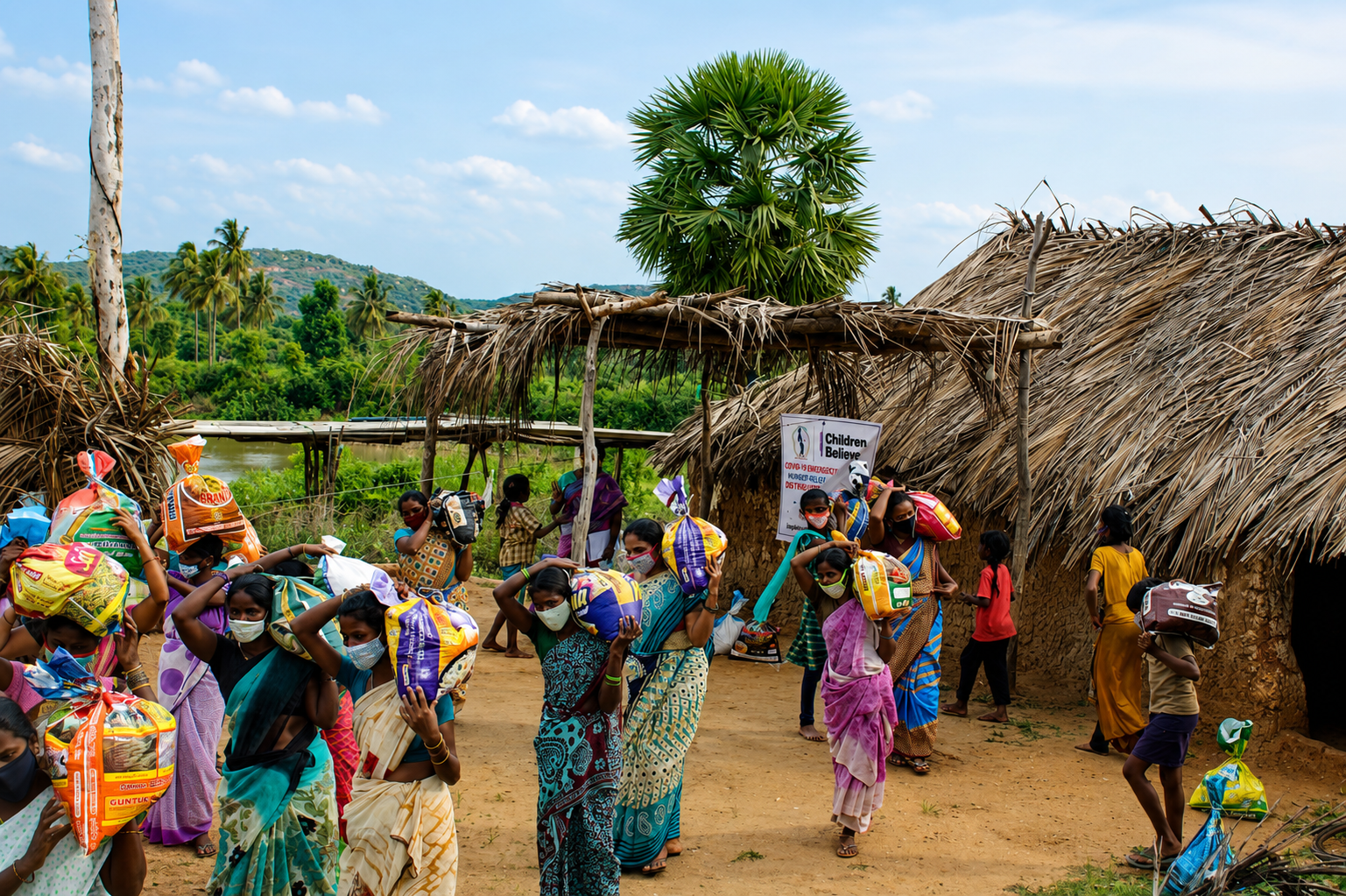
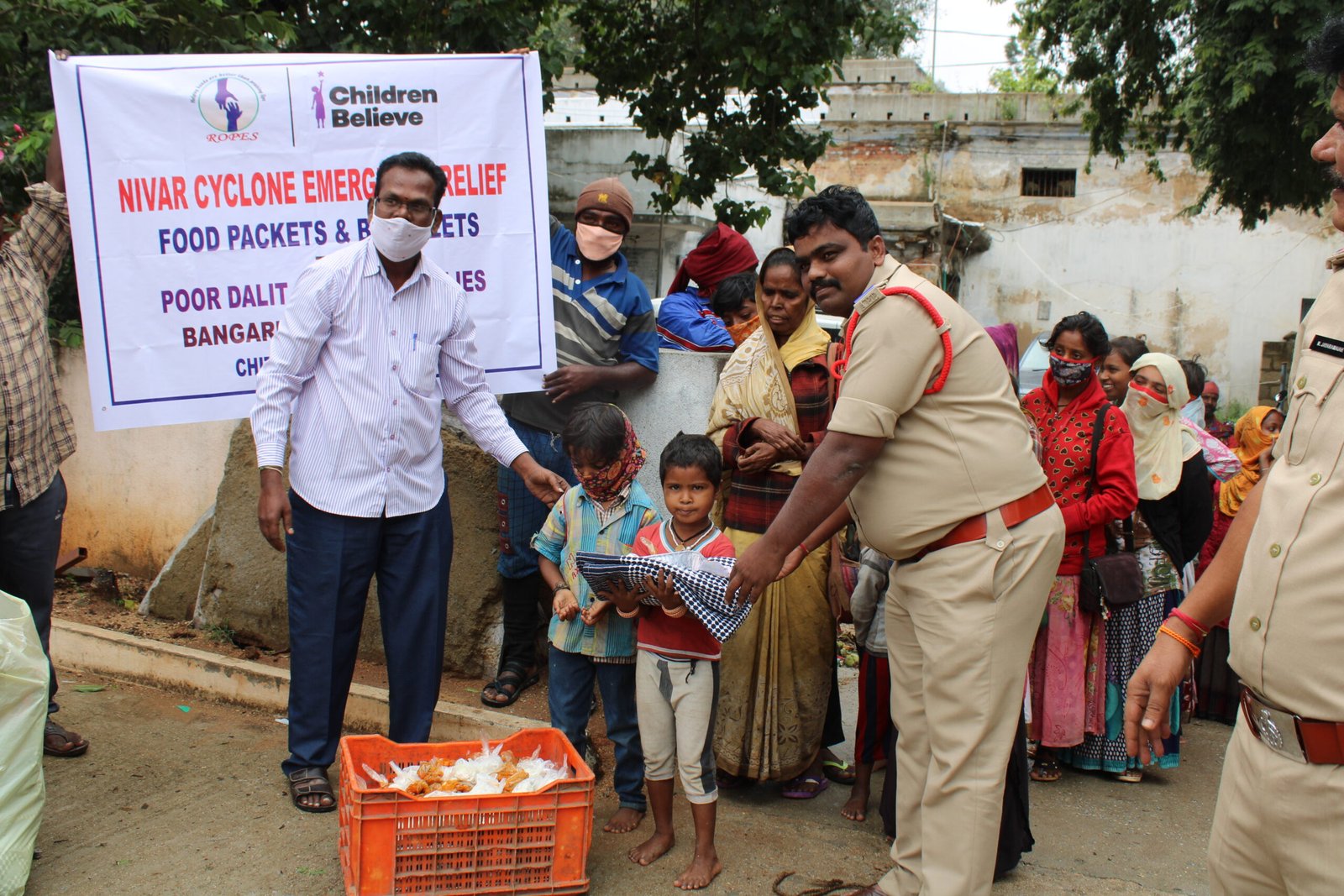
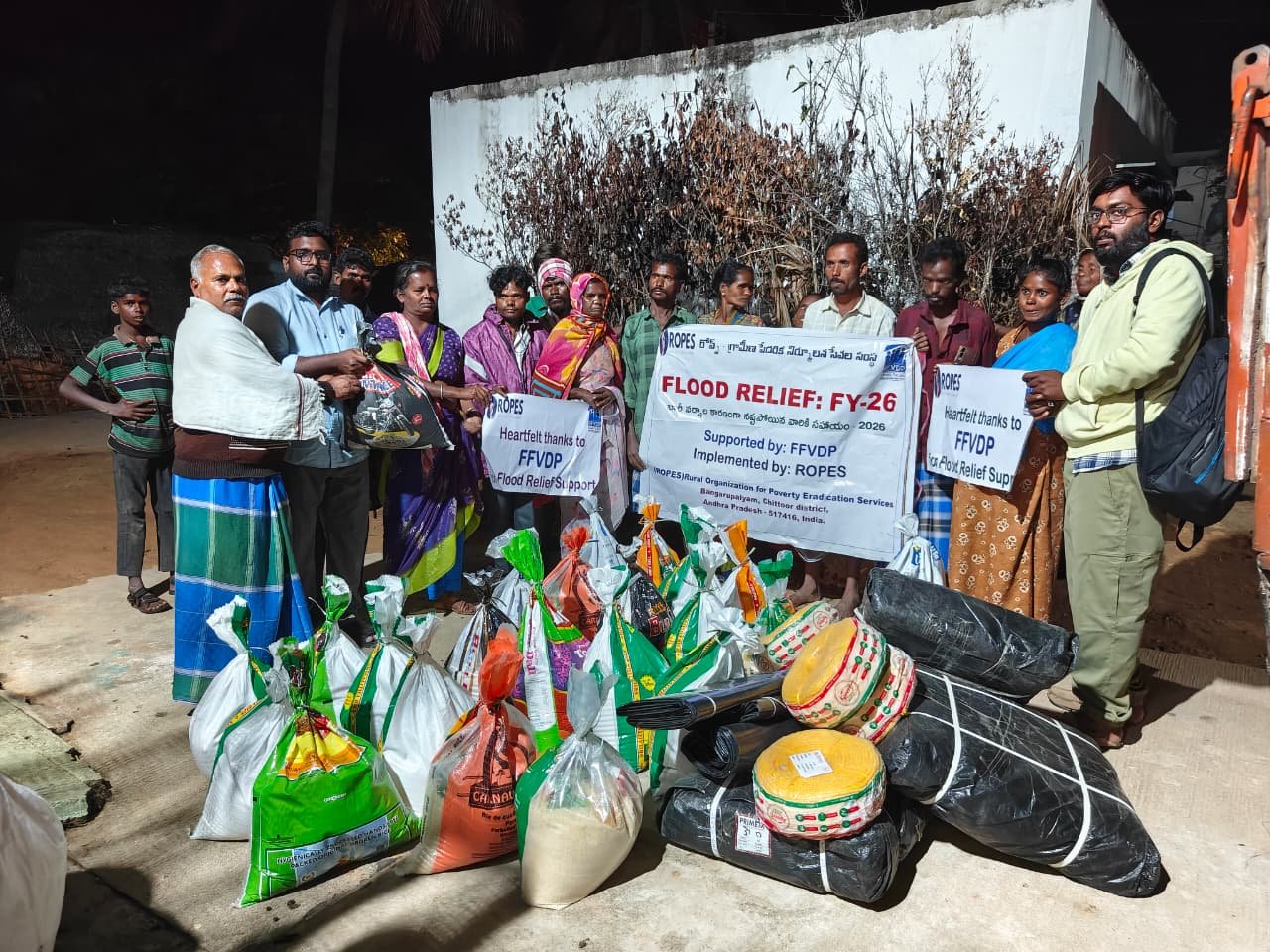
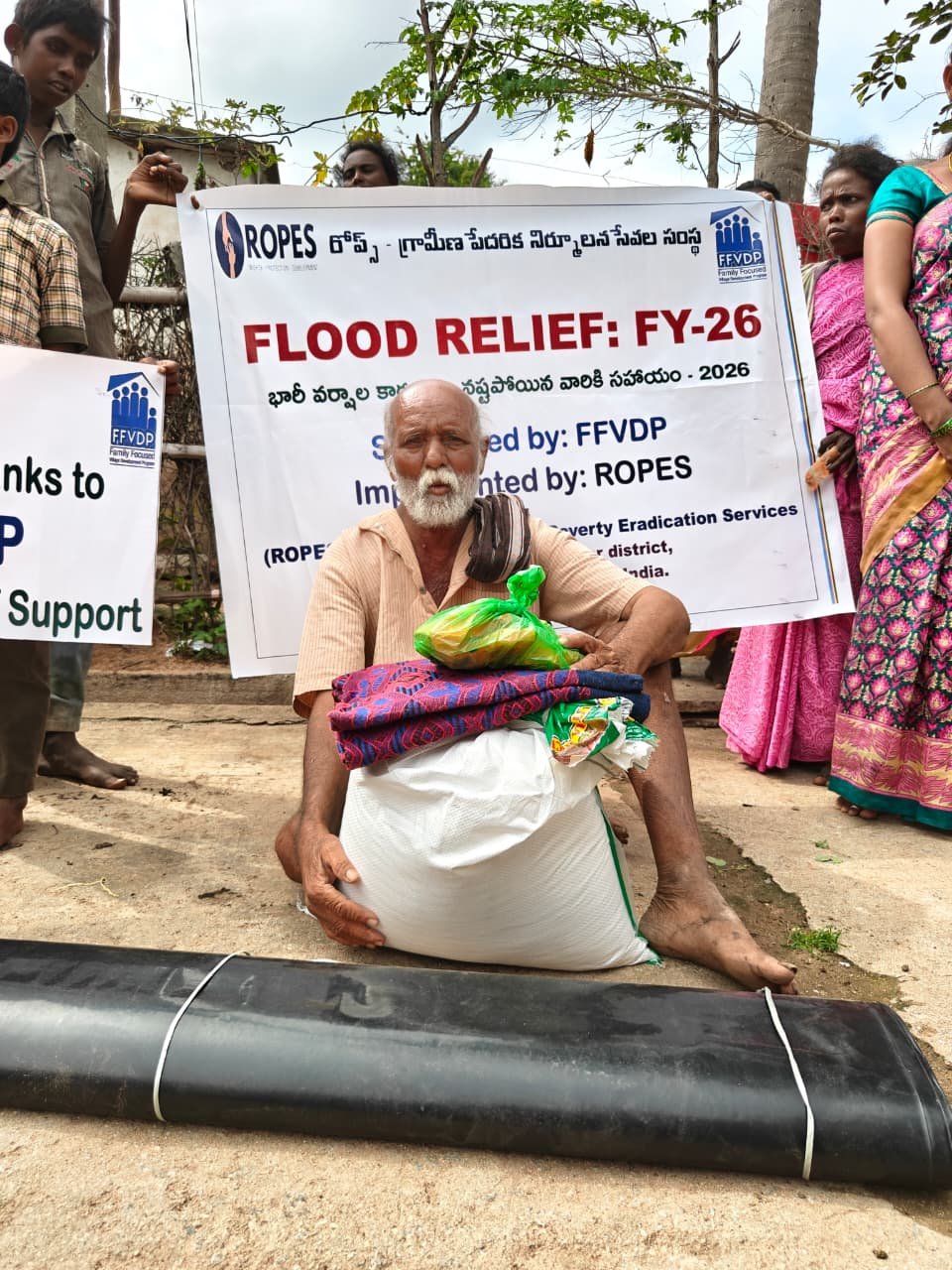
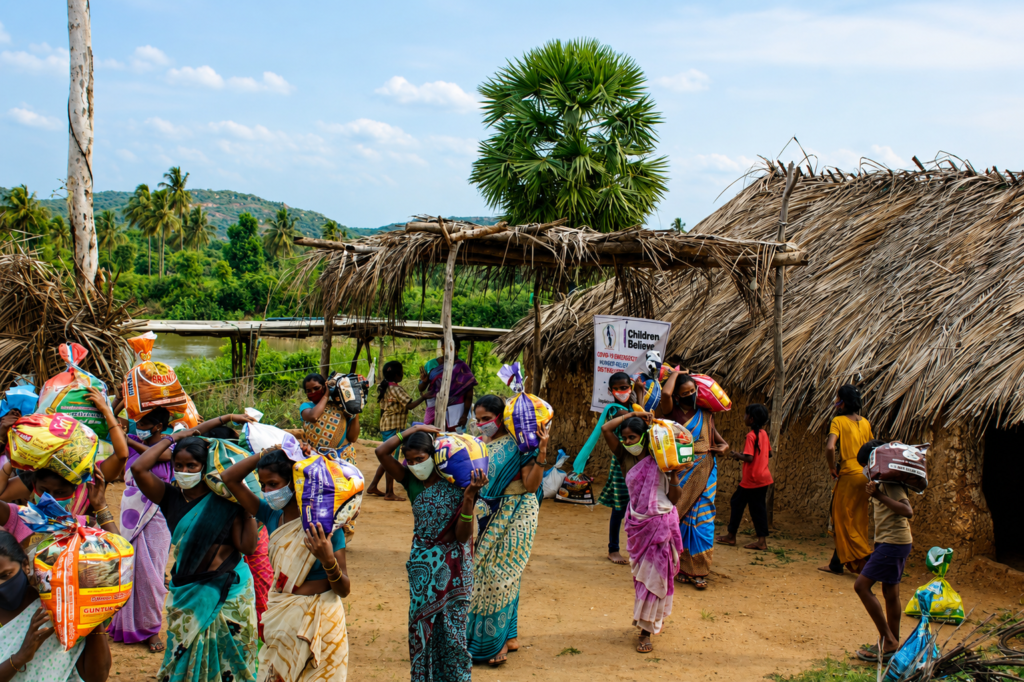
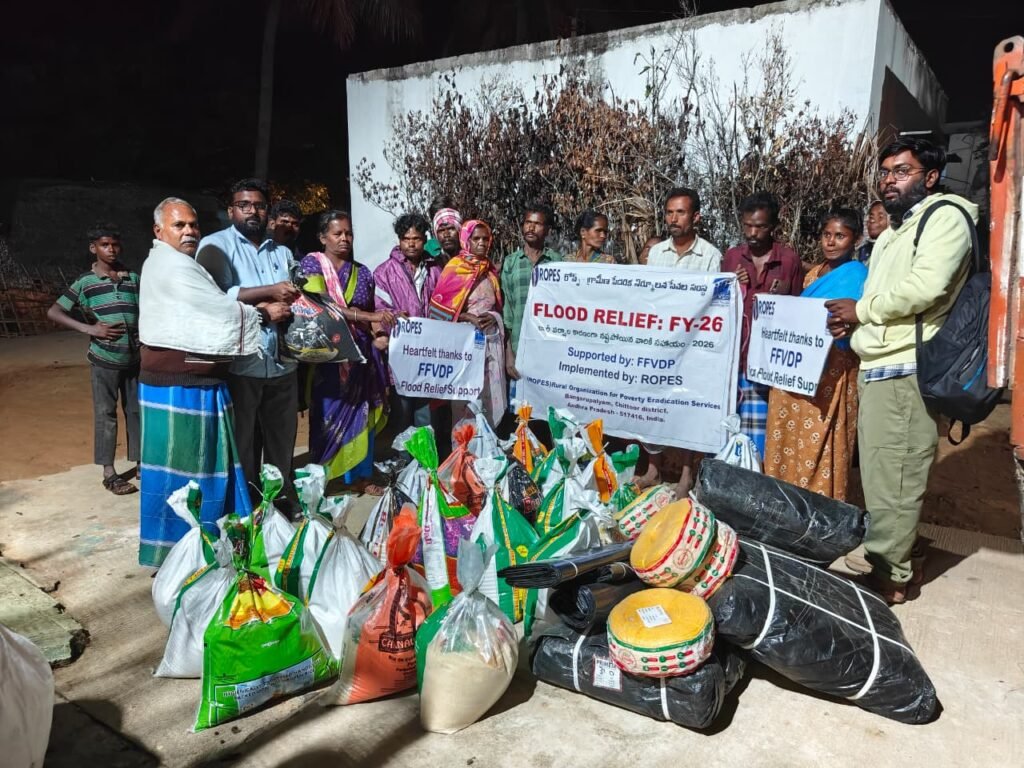
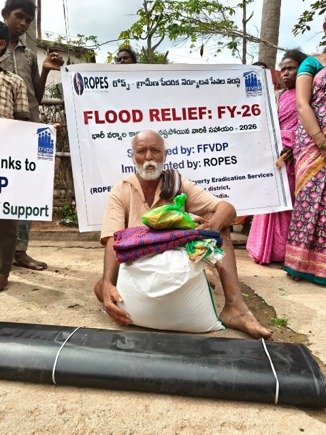
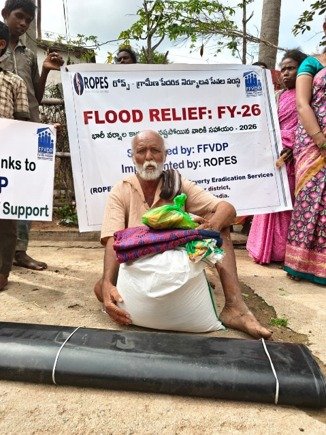
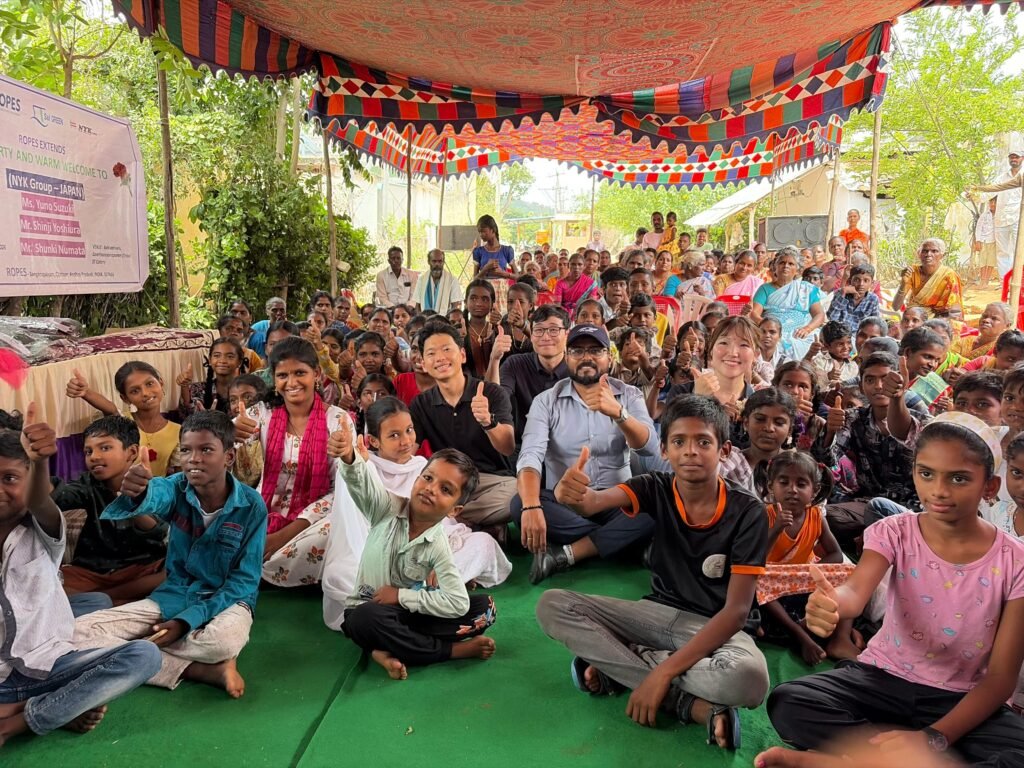
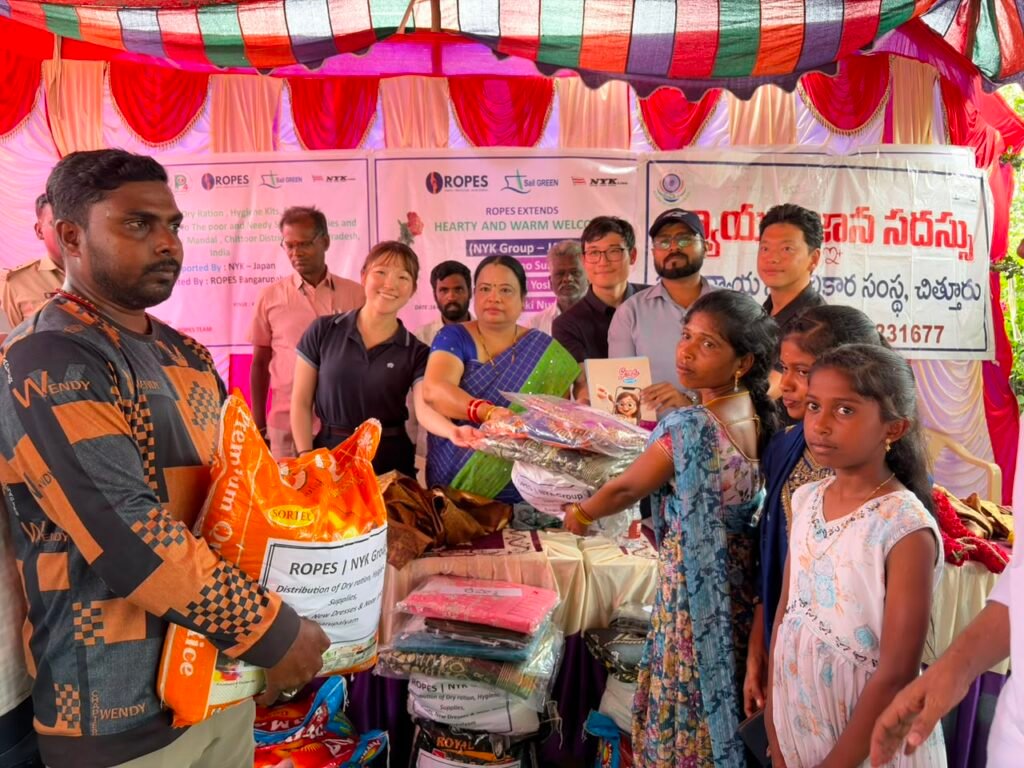
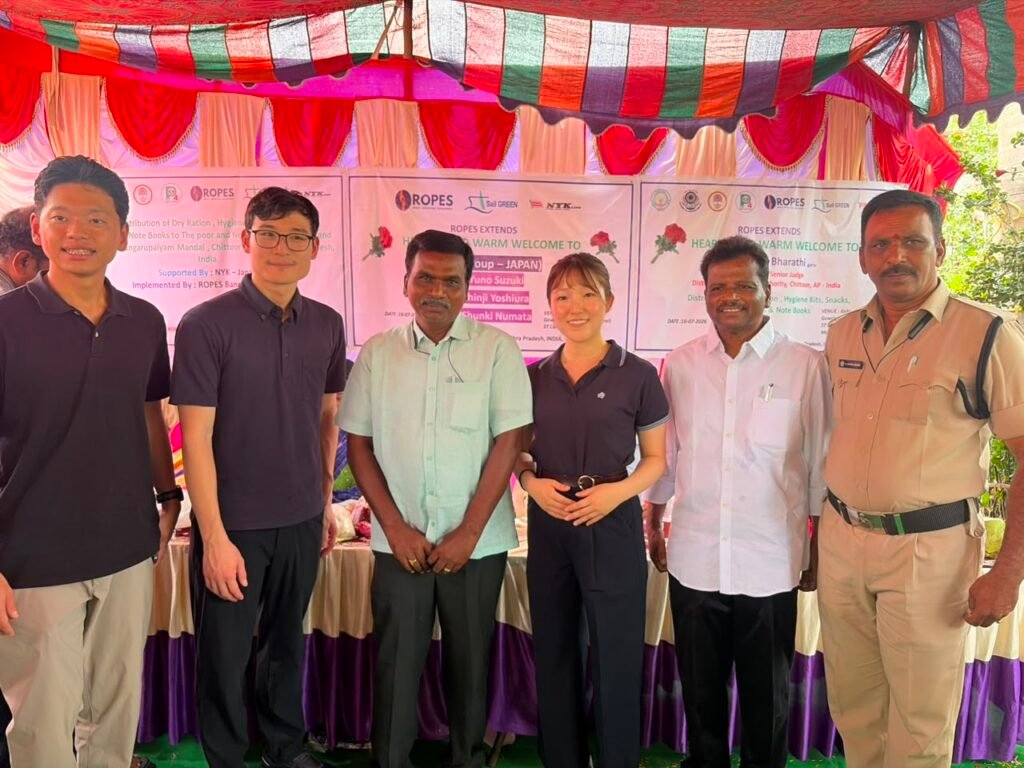
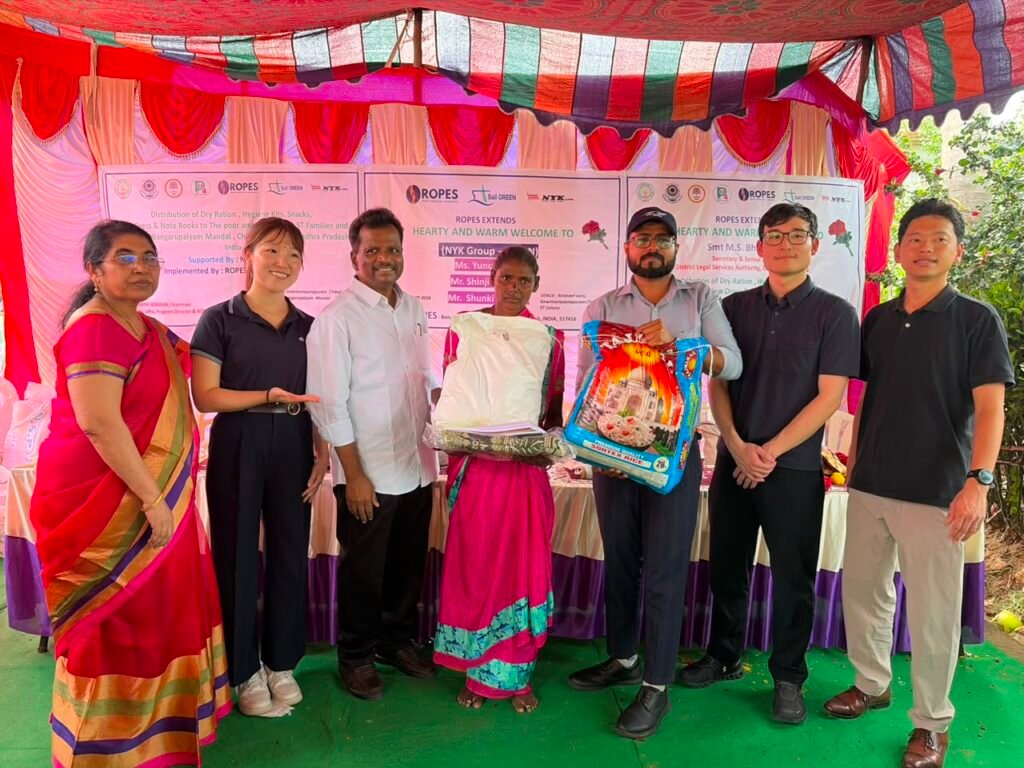
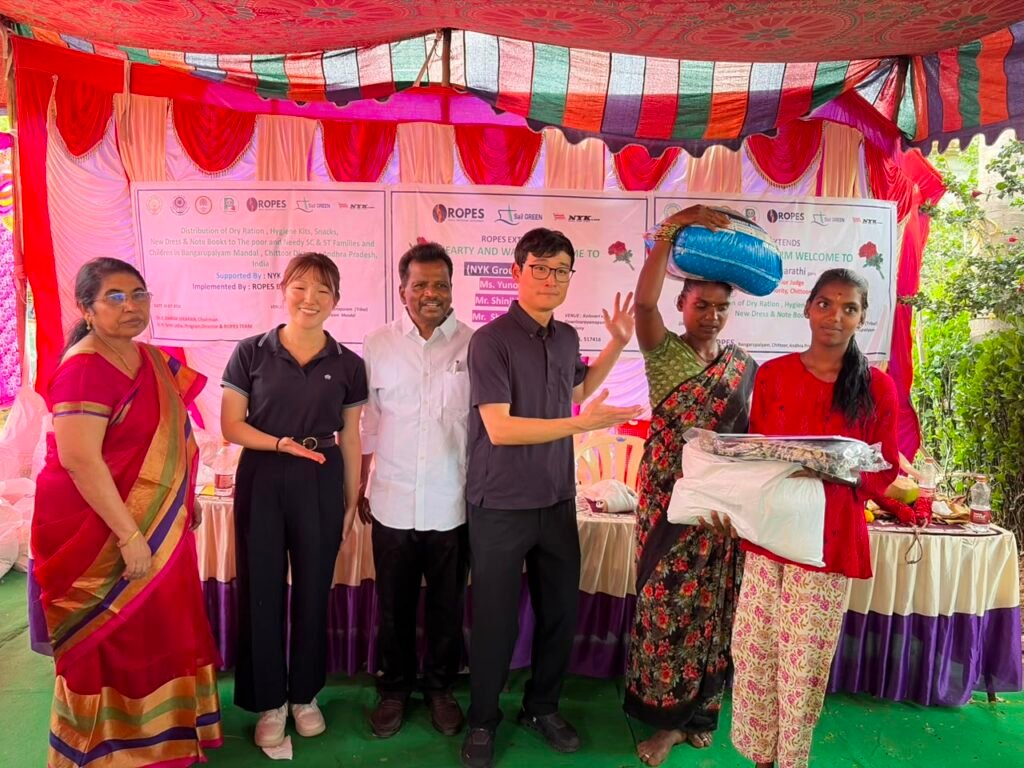
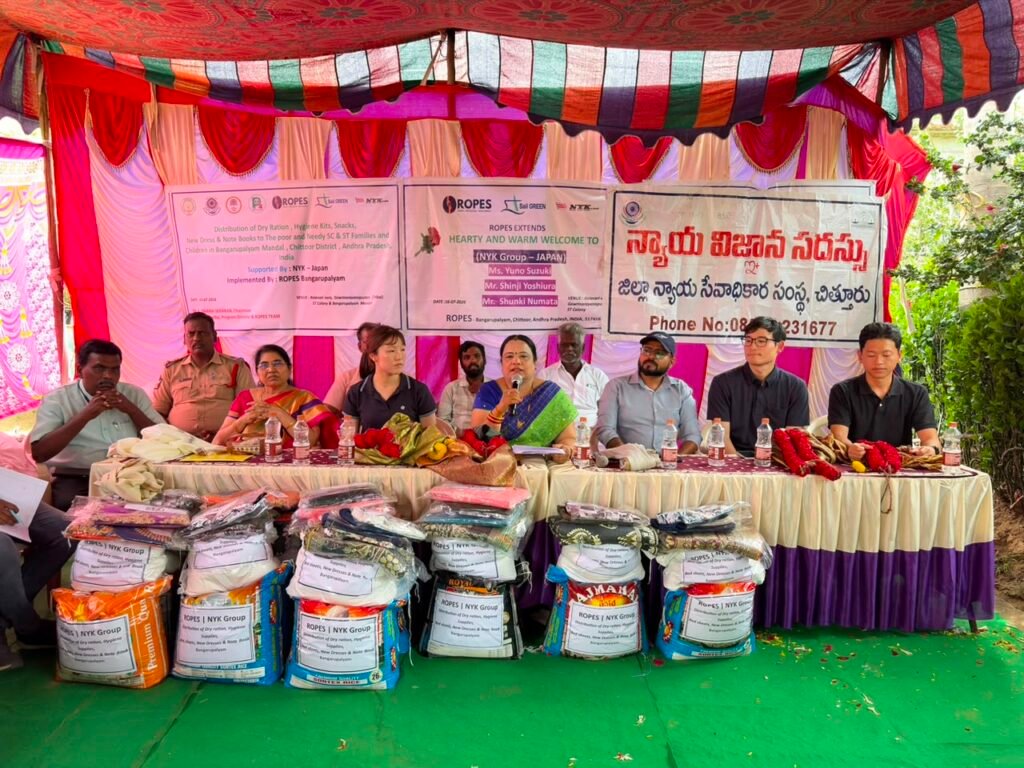
During the reporting period, a total of 450 vulnerable families benefited from disaster relief and risk reduction interventions. To address immediate food insecurity during emergencies, 380 dry ration kits containing essential food items were distributed to affected households, ensuring access to basic nutrition and food security.
Shelter and Protection Support :
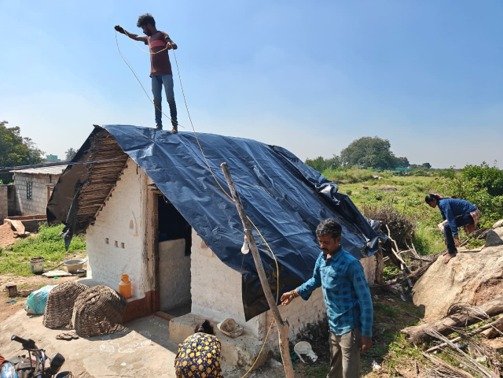
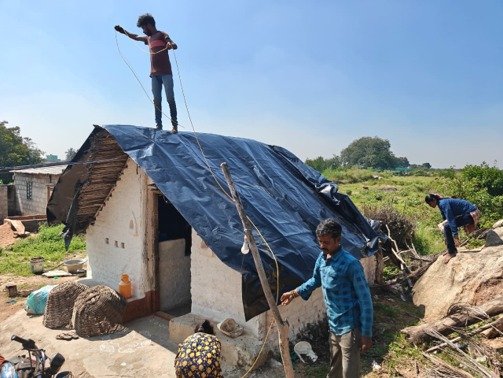
ROPES provided 210 tarpaulins to families whose houses were damaged or who required temporary shelter during disaster situations. This support helped vulnerable households protect themselves and their belongings while recovering from the impact of emergencies.
Distribution of Essential Supplies :
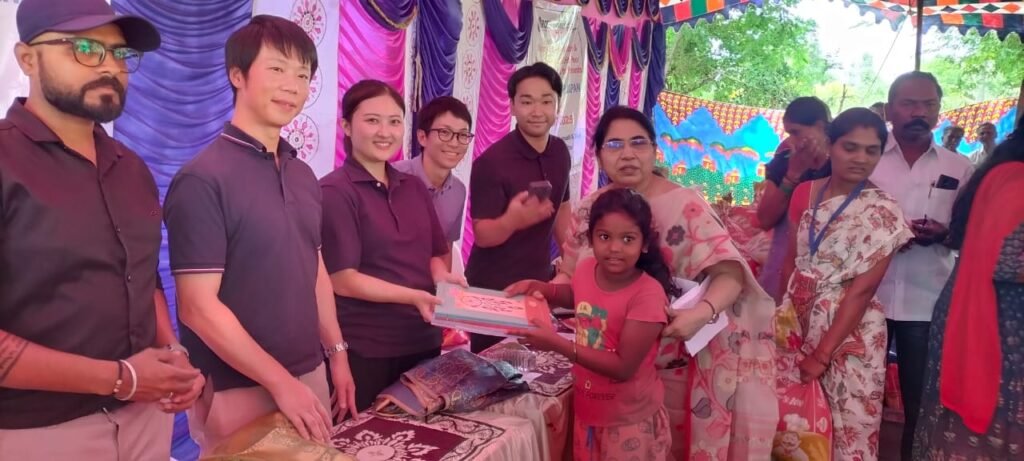
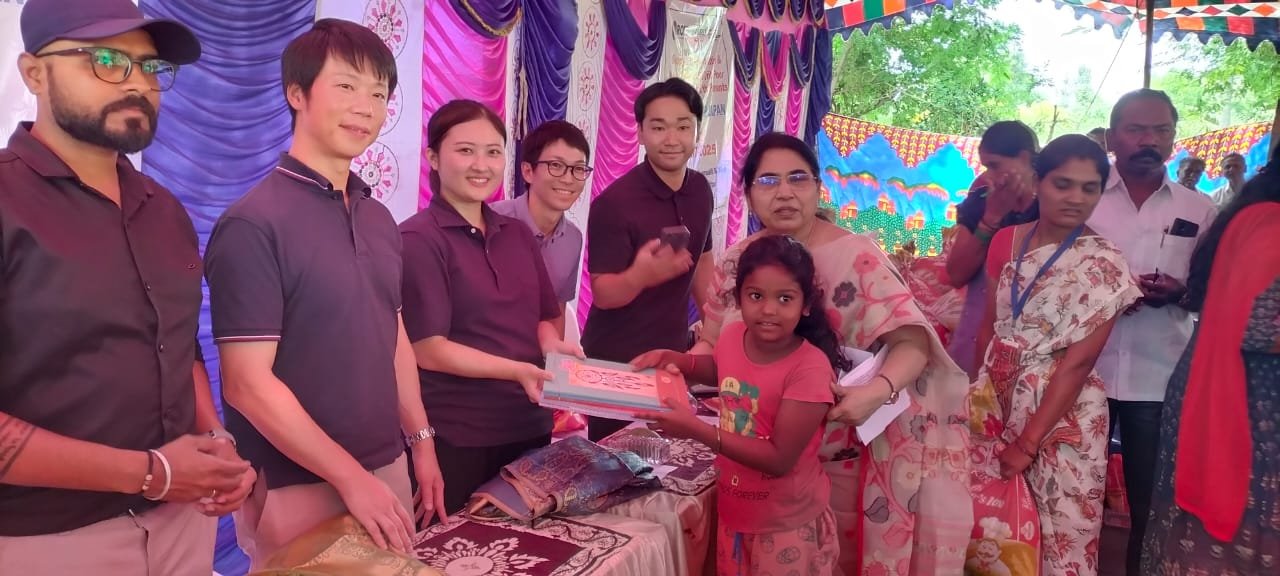
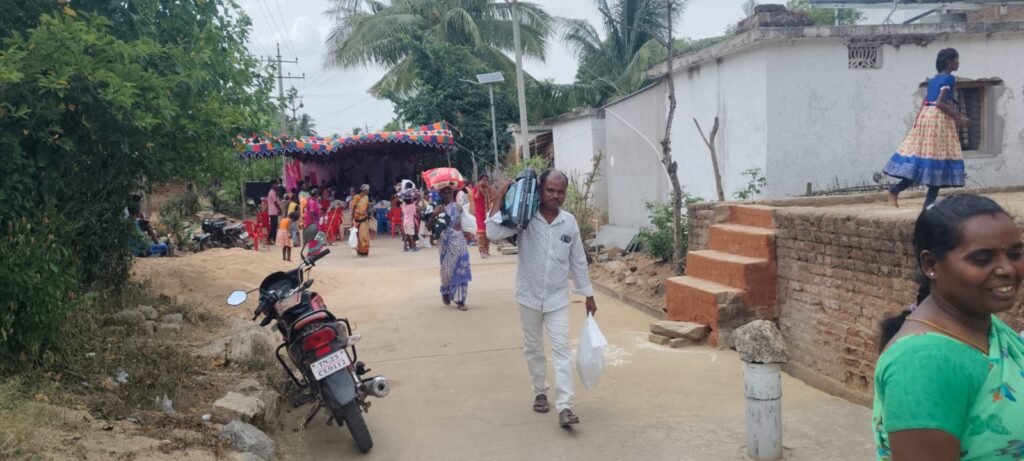
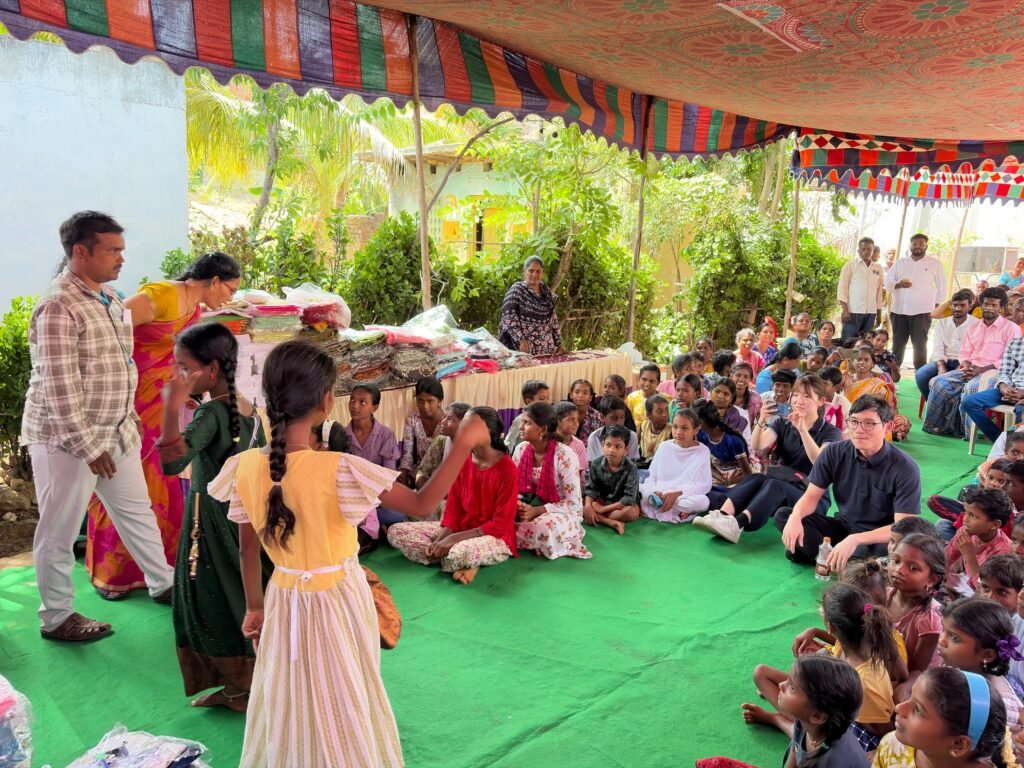
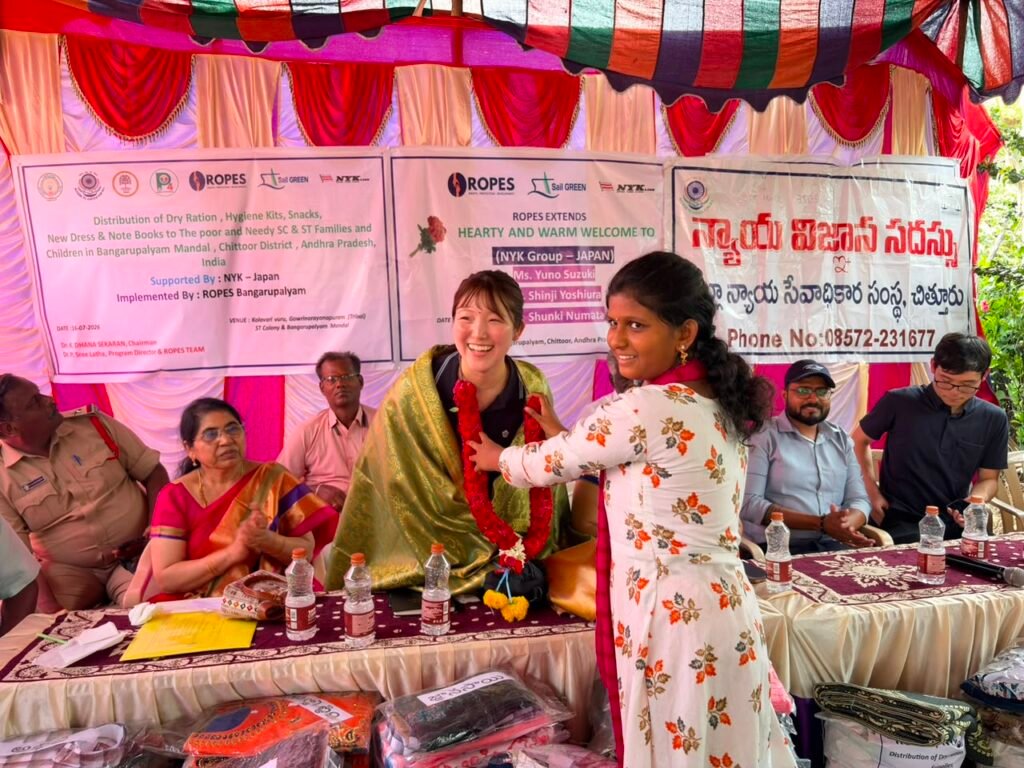
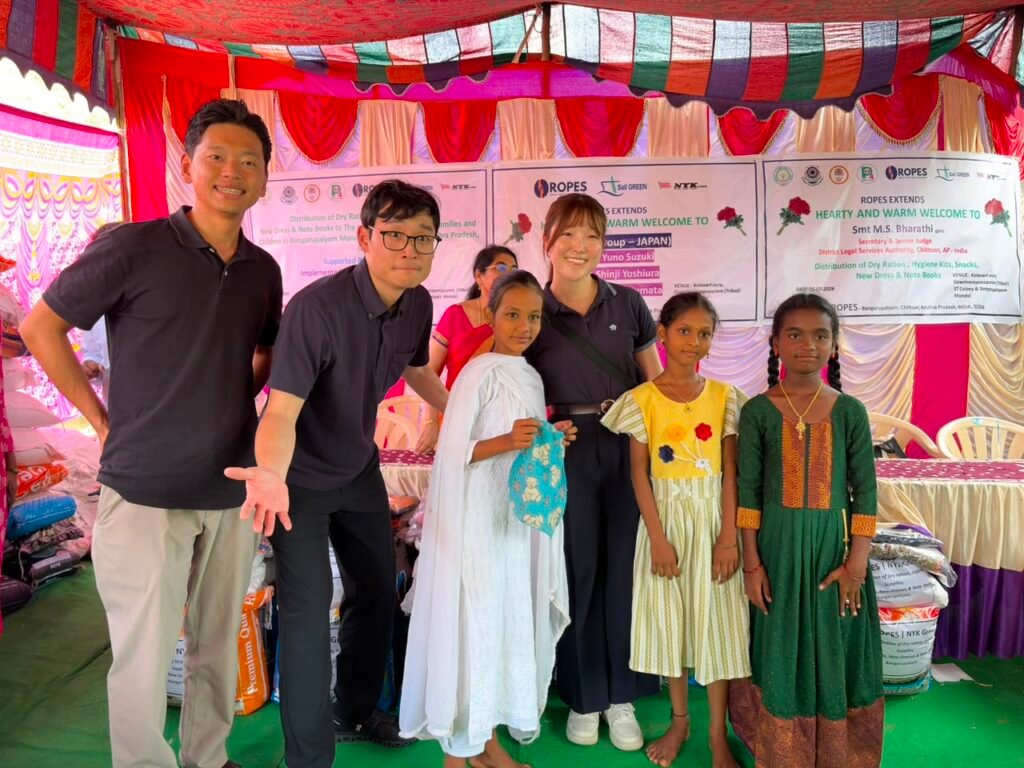
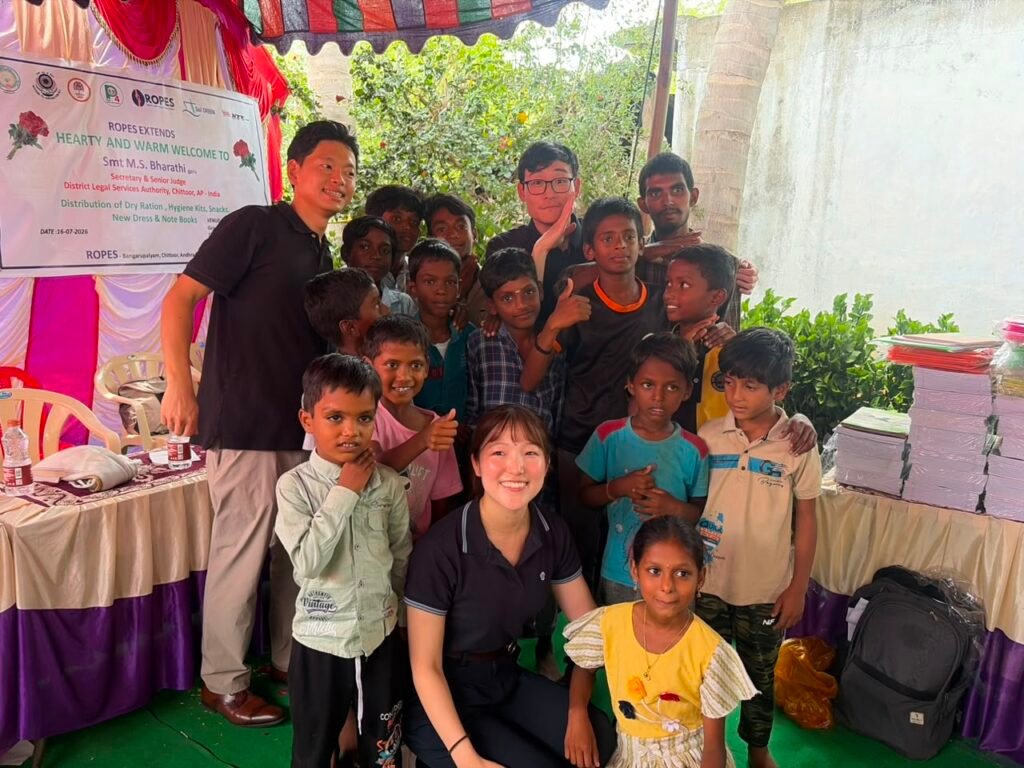
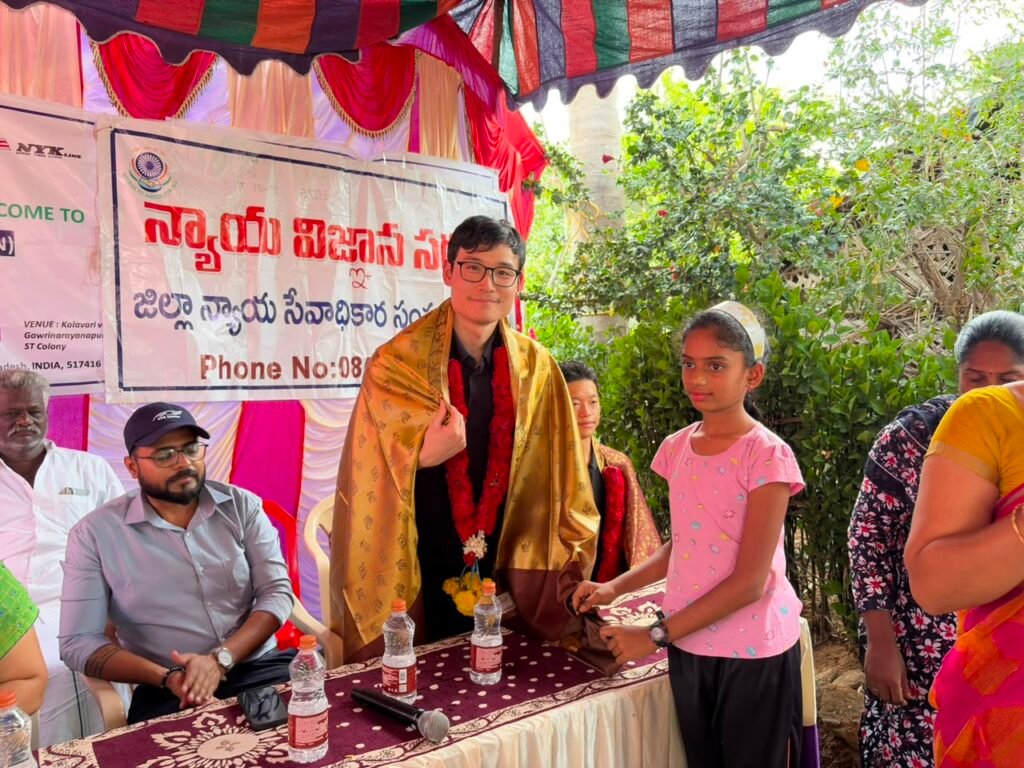
To meet the immediate needs of disaster-affected families, ROPES distributed food parcels, hygiene and sanitation materials, safe drinking water, notebooks, and stationery supplies. These interventions helped maintain health and hygiene standards, improve living conditions, and support children’s continued access to education during difficult circumstances.

Community Resilience and Recovery
Through community-based disaster response efforts, ROPES helped reduce the impact of emergencies on livelihoods, health, and overall well-being. The programme strengthened the capacity of vulnerable families to cope with disasters, recover from losses, and prepare for future emergencies through improved awareness, preparedness, and resilience-building measures.