Gender Equality and Social Inclusion :
ROPES is committed to promoting gender equality, social justice, and inclusive development among women, girls, persons with disabilities, Dalits, Tribal communities, and other marginalized groups. The programme works to address discrimination, social exclusion, and barriers that limit access to opportunities, resources, and participation in community development.
Through awareness programmes, capacity building, leadership development, and rights-based education, ROPES empowers marginalized individuals to realize their rights, participate in decision-making processes, and improve their social and economic well-being. The initiative promotes dignity, equal opportunities, and inclusive participation, helping build stronger, more equitable, and resilient communities.
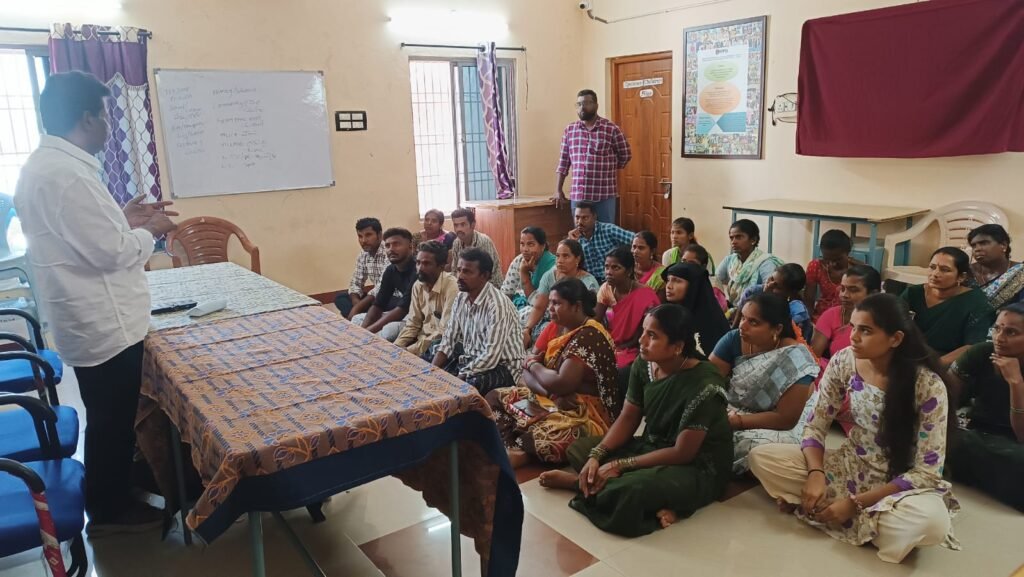
Women’s Leadership Development :
ROPES strengthens the leadership capacities of rural women through training, mentoring, exposure visits, and participation in community-based institutions. The programme encourages women to develop confidence, leadership skills, and awareness of their rights and responsibilities.
By promoting active participation in community decision-making, local governance, and development initiatives, ROPES empowers women to become leaders and change agents within their families and communities. The programme contributes to greater gender equality, social inclusion, and community development.
Gender Sensitization Programmes :
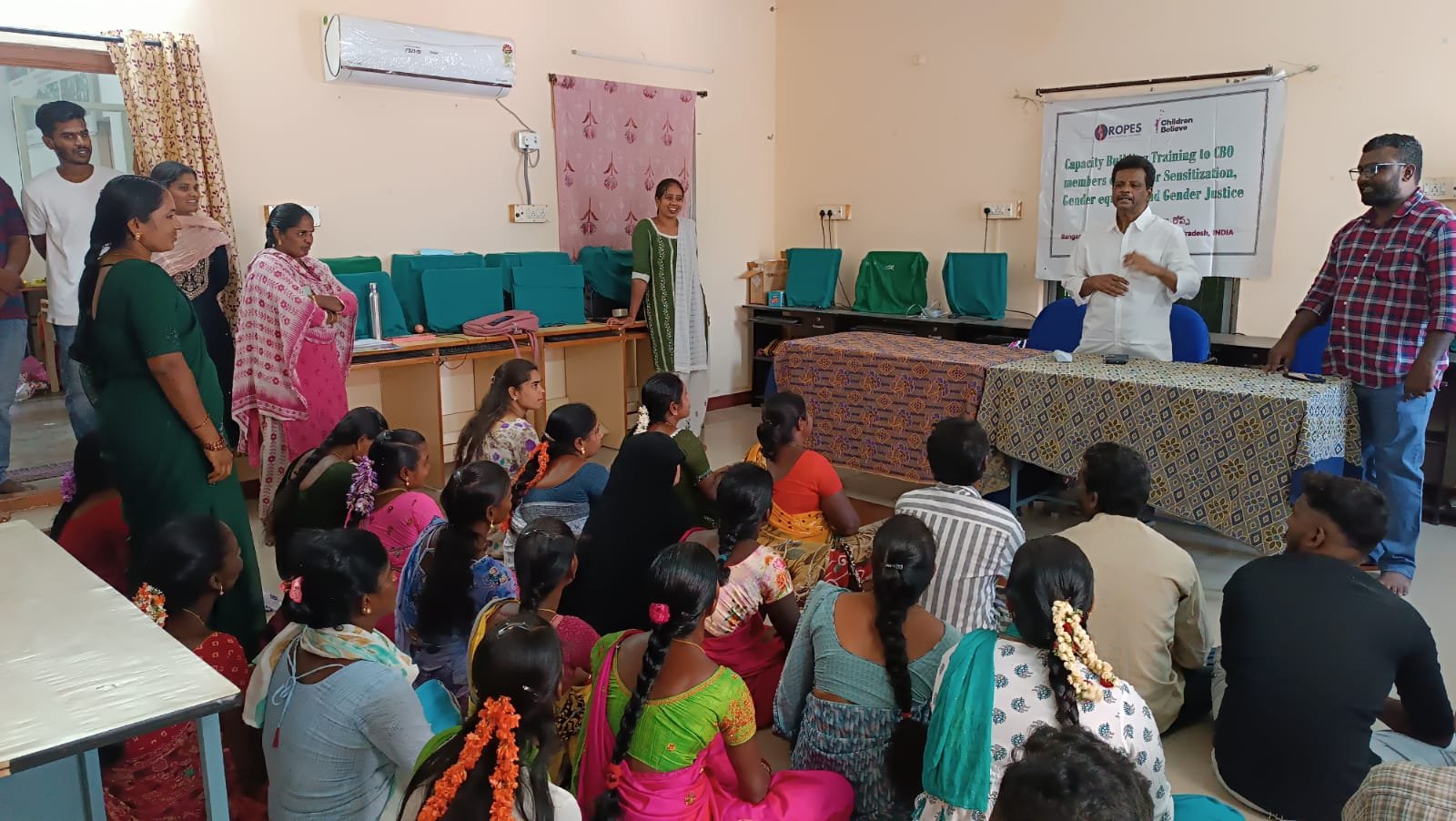
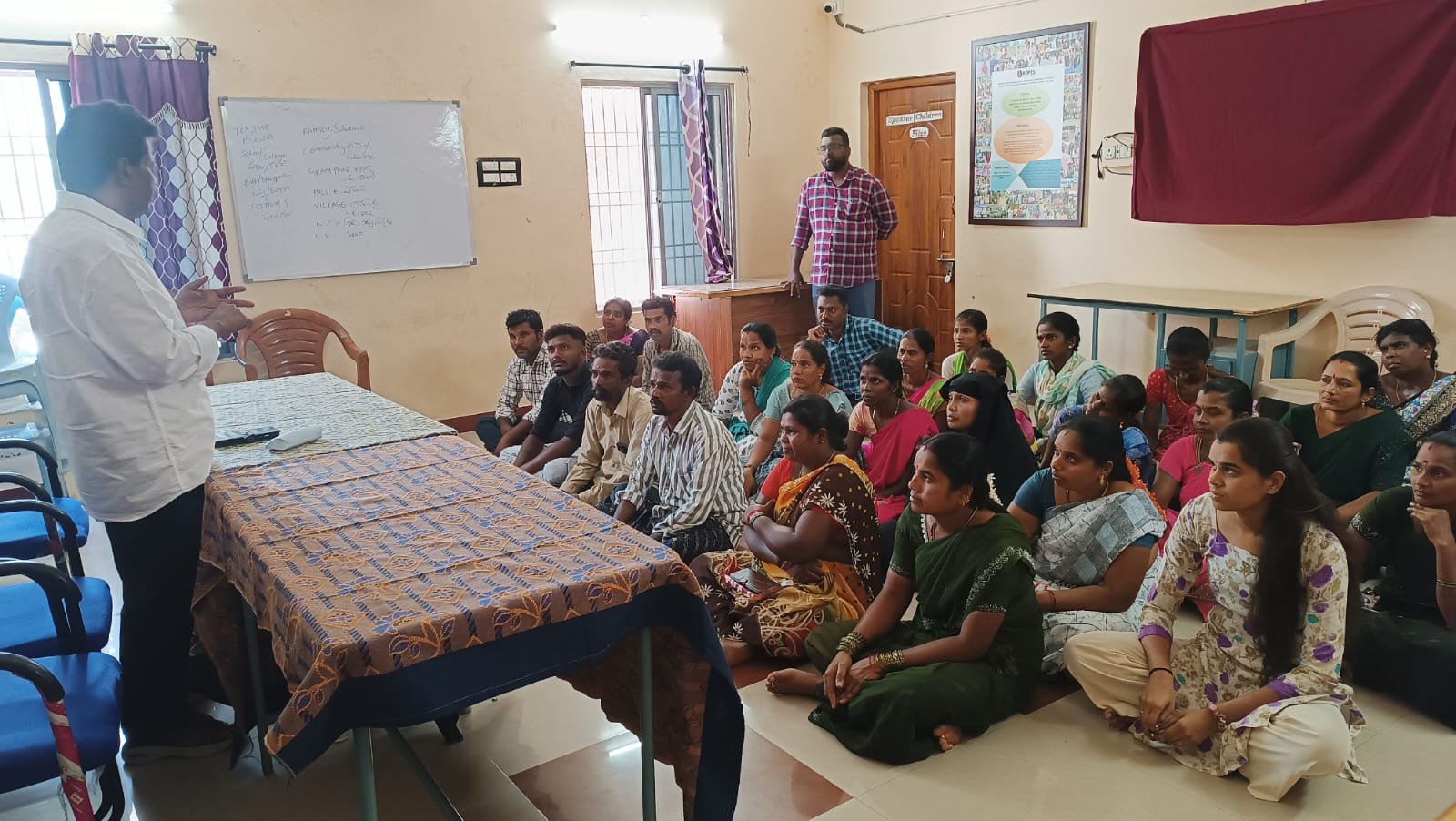
ROPES conducts gender sensitization programmes and awareness campaigns for men, women, youth, community leaders, and local institutions to promote gender equality and social inclusion. The programme focuses on building awareness about women’s rights, shared family responsibilities, respectful relationships, and the importance of equal opportunities for all.
Through training sessions, community discussions, and advocacy activities, ROPES encourages positive attitudes and behaviors that reduce gender discrimination and create a more inclusive, safe, and equitable society.
Women’s Economic Empowerment :
ROPES promotes women’s economic empowerment through livelihood programmes, vocational skills training, entrepreneurship development, financial literacy education, and Self-Help Group (SHG) strengthening. The programme equips women with the knowledge, skills, and resources needed to improve their income and achieve greater economic independence.
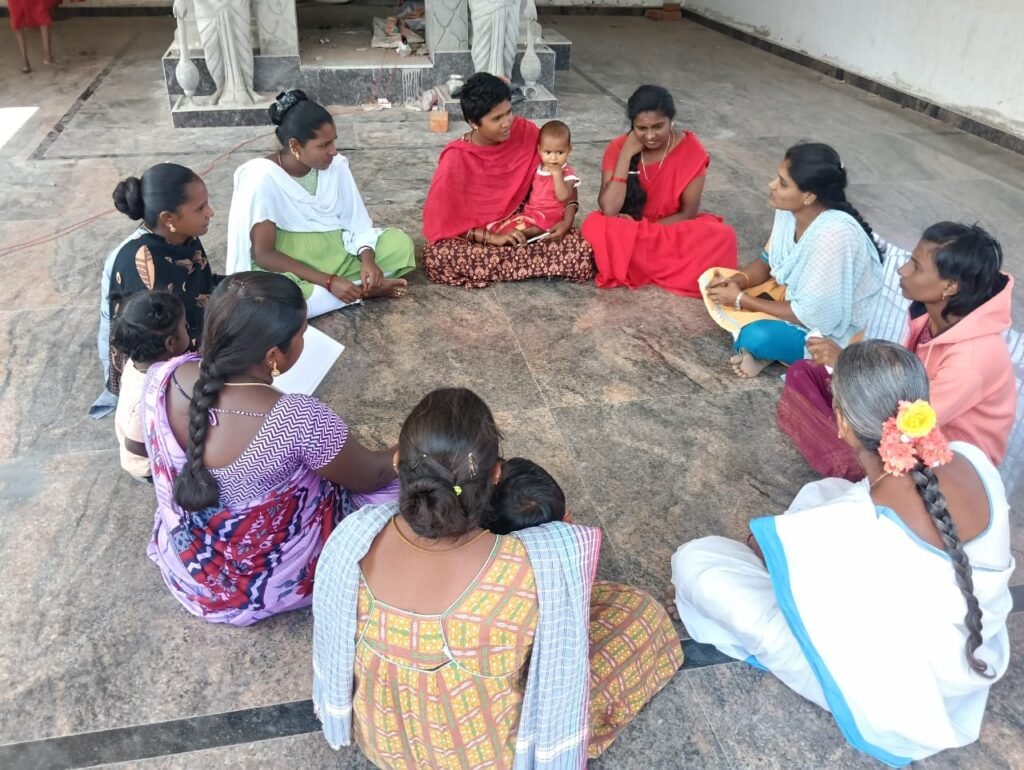
By supporting access to income-generating opportunities, savings and credit activities, and small business development, ROPES helps women strengthen their livelihoods, enhance financial security, and contribute to the well-being of their families and communities. The initiative promotes self-confidence, self-reliance, and sustainable economic growth among rural women.
Rights and Entitlements Awareness
ROPES supports vulnerable and marginalized communities in accessing government welfare schemes, social security programmes, and essential public services. The programme creates awareness about rights and entitlements and assists individuals in obtaining identity documents, pensions, scholarships, disability benefits, and other government support services.
Through community awareness and facilitation support, ROPES helps improve access to social protection, strengthen economic security, and ensure that eligible individuals and families receive the benefits and services available to them.
Strengthening Community Institutions :
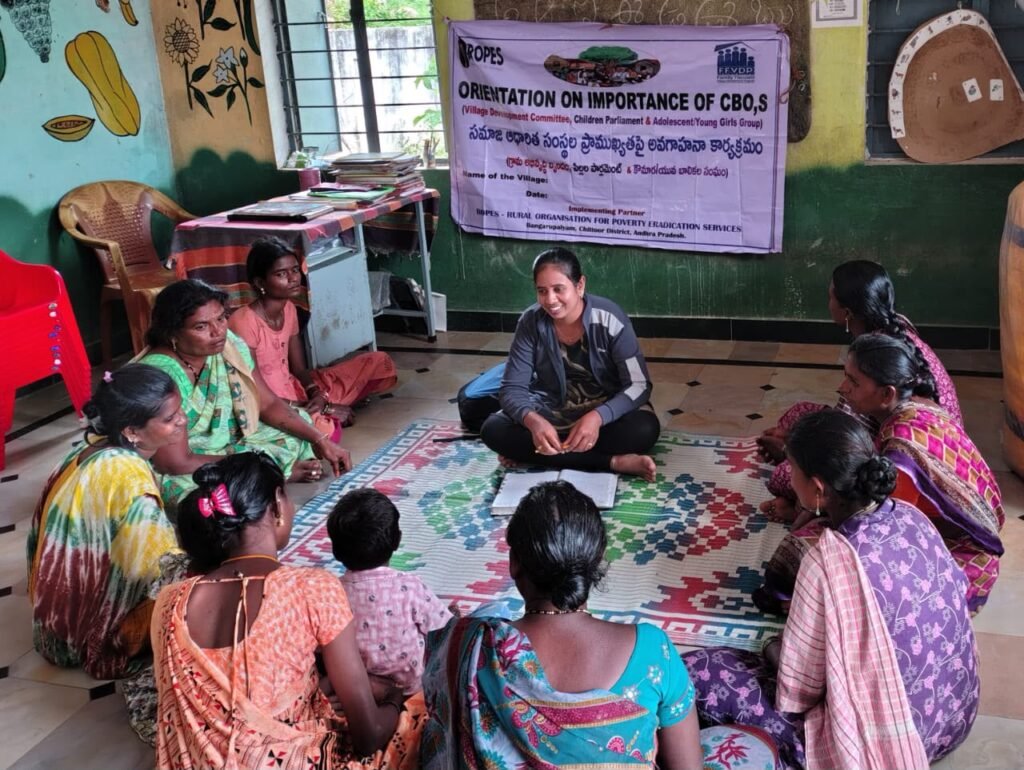
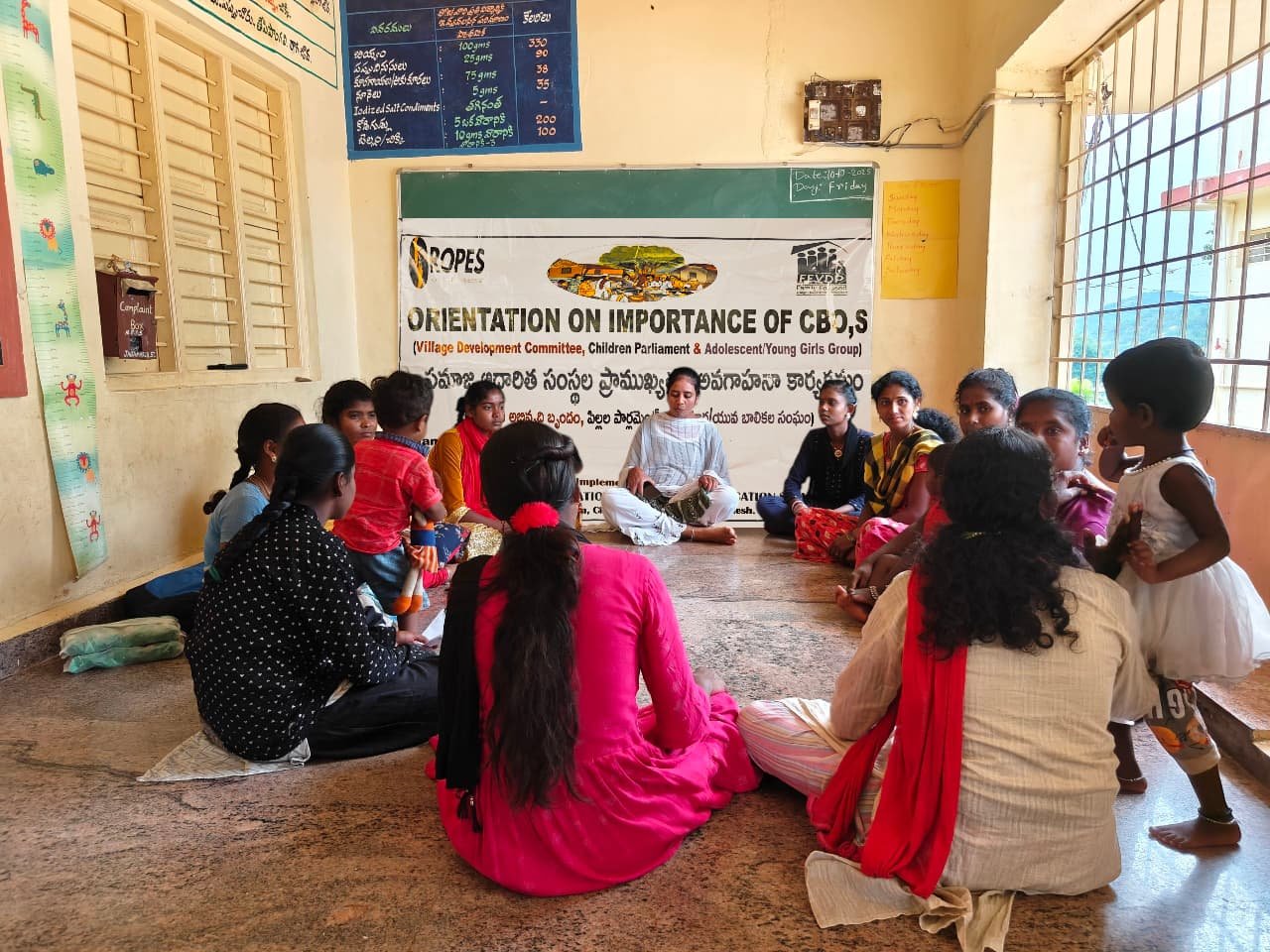
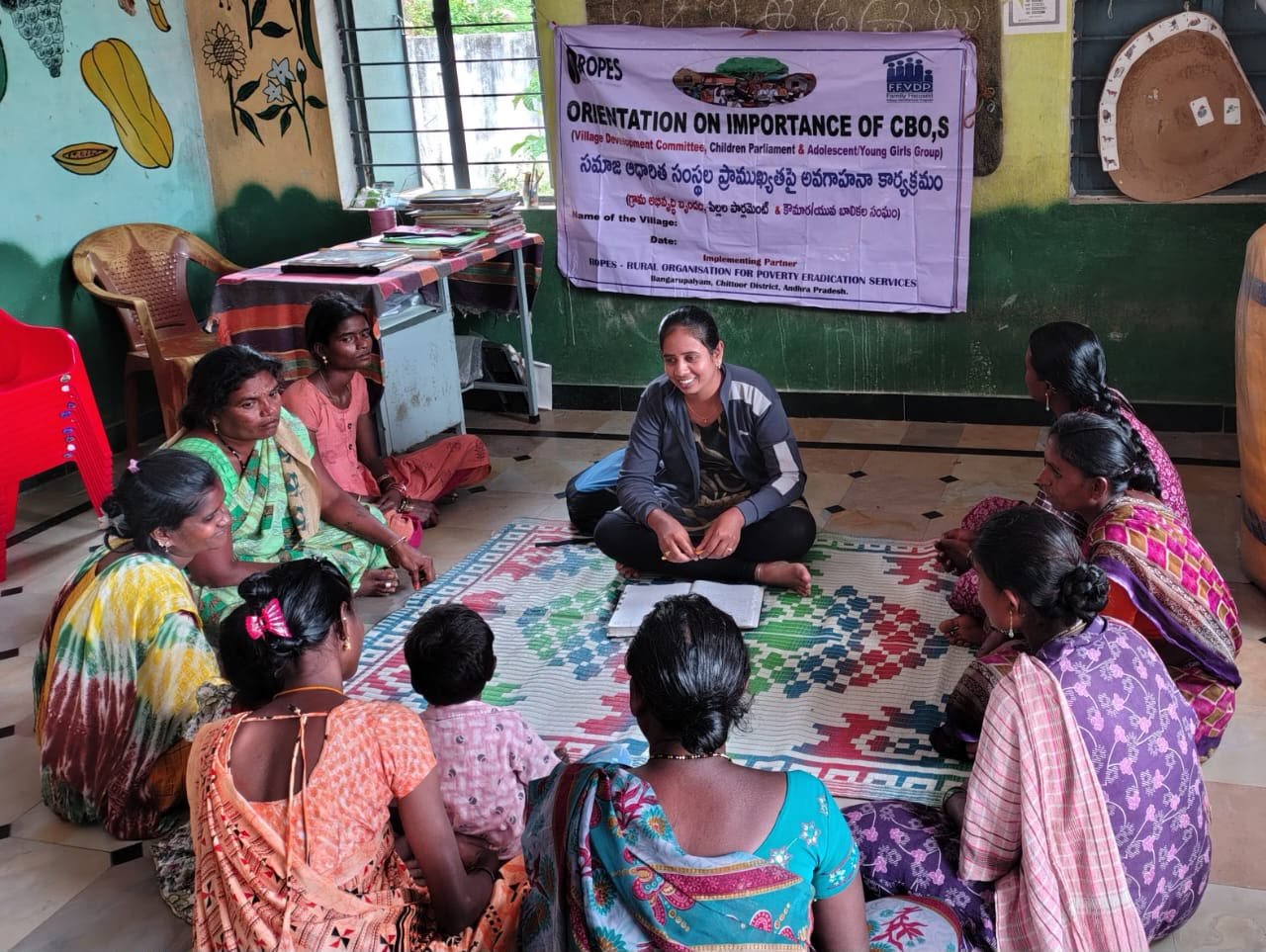
ROPES strengthens community institutions such as Self-Help Groups (SHGs), village development committees, youth groups, and community-based organizations to promote inclusive participation and sustainable community development. The programme builds the capacity of community members to work collectively, address local issues, and participate in decision-making processes.
Through training, leadership development, and community mobilization, ROPES encourages collective action, social responsibility, and community ownership of development initiatives. These efforts help create stronger, more resilient communities that actively contribute to their own growth and well-being.