Ensuring Safe Water, Improved Hygiene, and Better Nutrition for Vulnerable Communities :
Access to safe drinking water, sanitation, hygiene, and adequate nutrition is fundamental to human health and well-being. However, many remote tribal and forest-based communities continue to face significant challenges in accessing clean water and maintaining healthy living conditions.
ROPES works with underserved rural and tribal communities to improve access to safe drinking water, promote hygiene and sanitation practices, and strengthen nutrition awareness among children, women, and families. Our integrated WASH (Water, Sanitation and Hygiene) and Nutrition Program aim to reduce preventable diseases, improve community health, and enhance the overall quality of life in vulnerable communities.
By combining infrastructure development with community education and behavior change initiatives, ROPES helps communities adopt sustainable practices that contribute to long-term health and well-being.
Our Objectives :
- Ensure access to safe drinking water, sanitation, and hygiene facilities.
- Promote healthy hygiene behaviors and environmental sanitation.
- Improve nutritional awareness and practices among women, children, and families.
- Reduce the incidence of water-borne and hygiene-related diseases.
- Strengthen community ownership and sustainability of WASH facilities.
Key Interventions
Safe Drinking Water Initiatives :
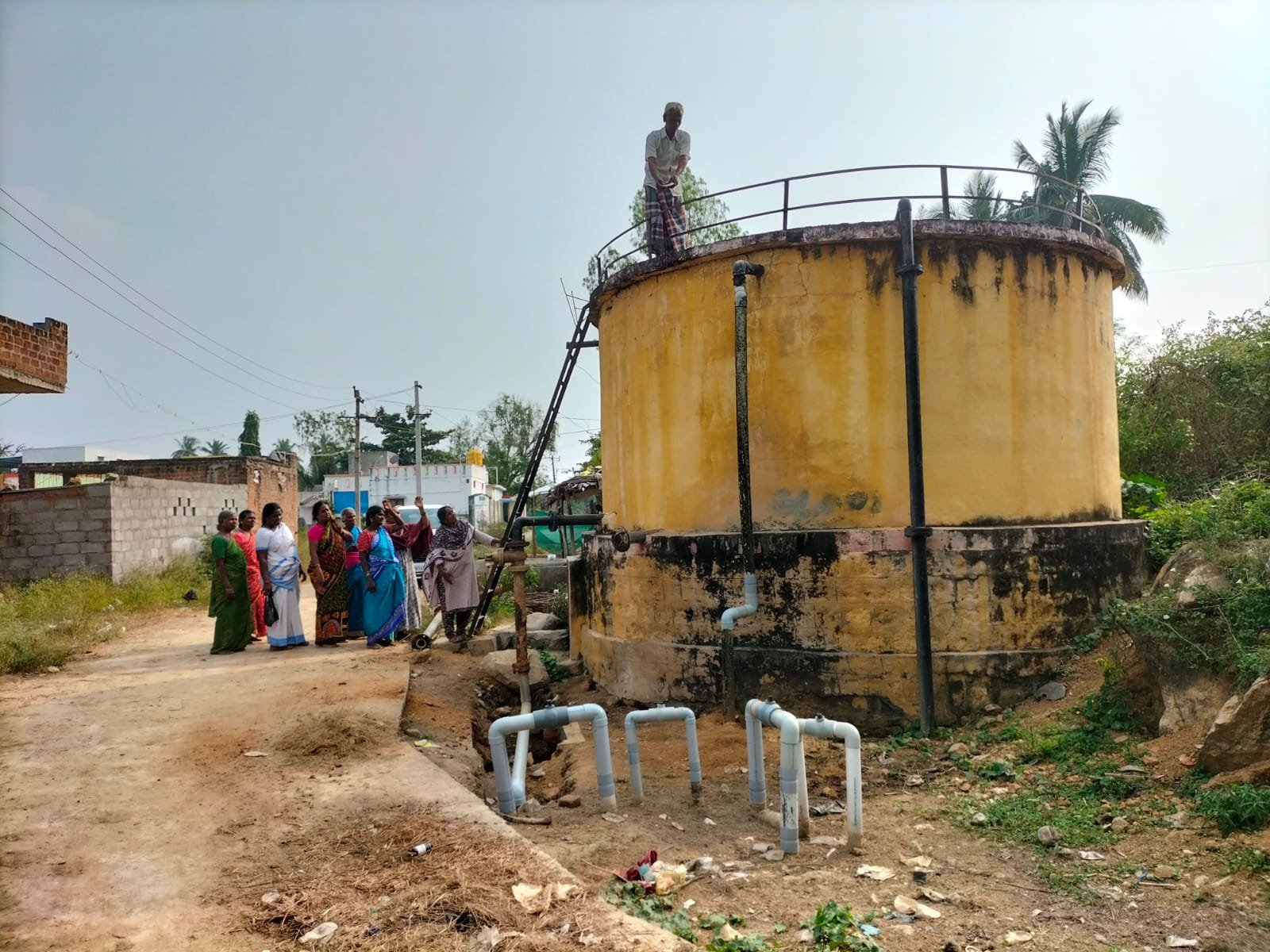
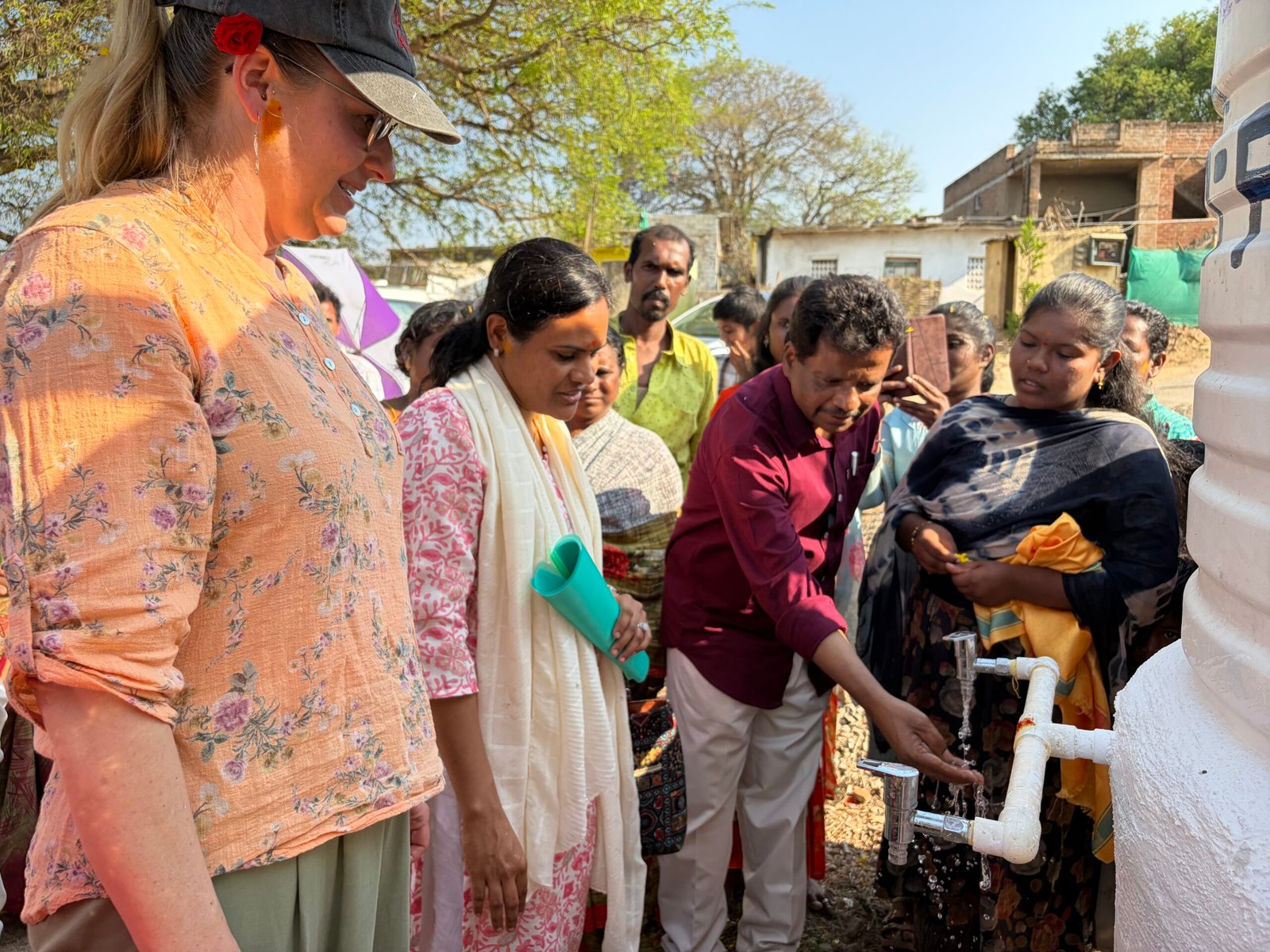
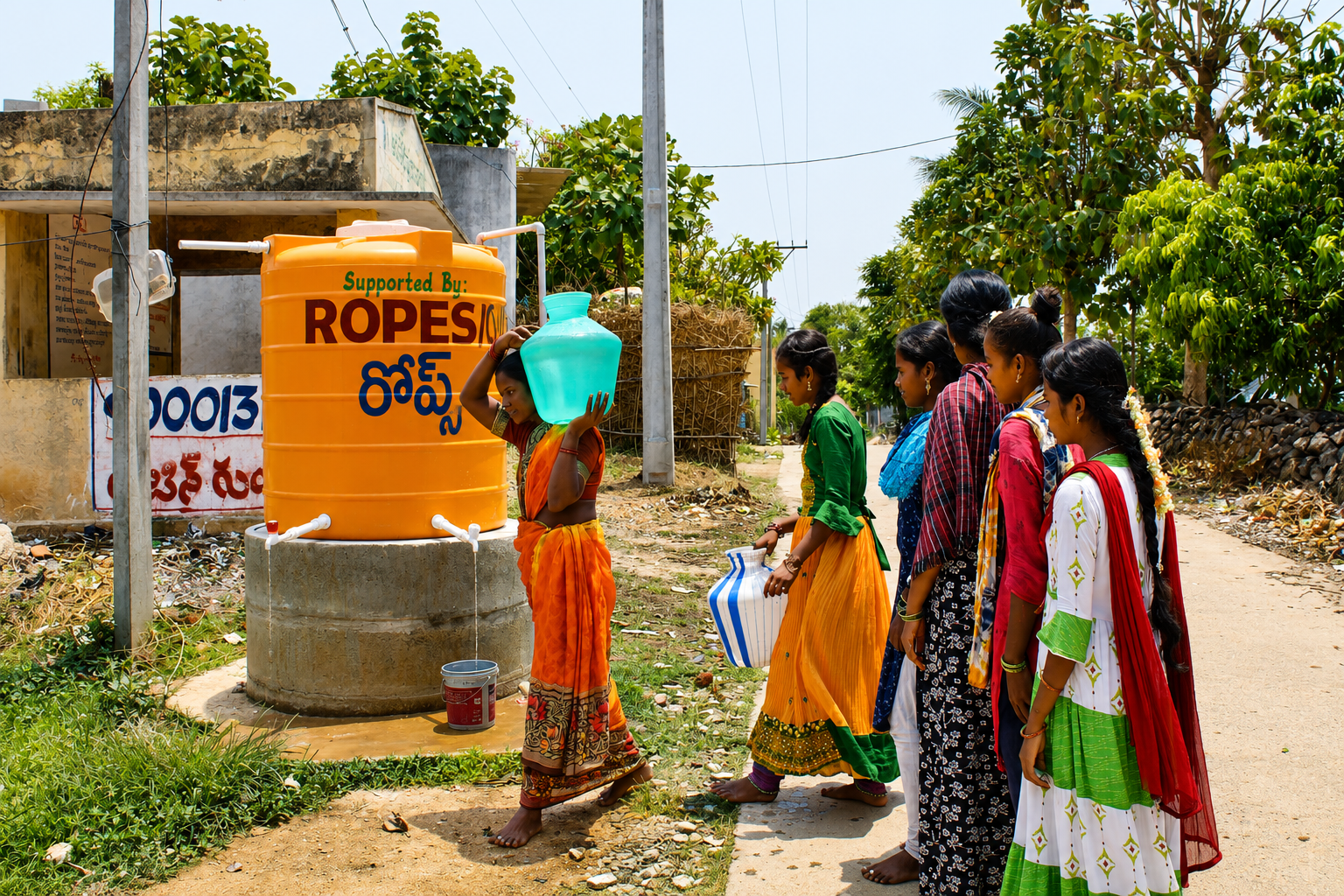
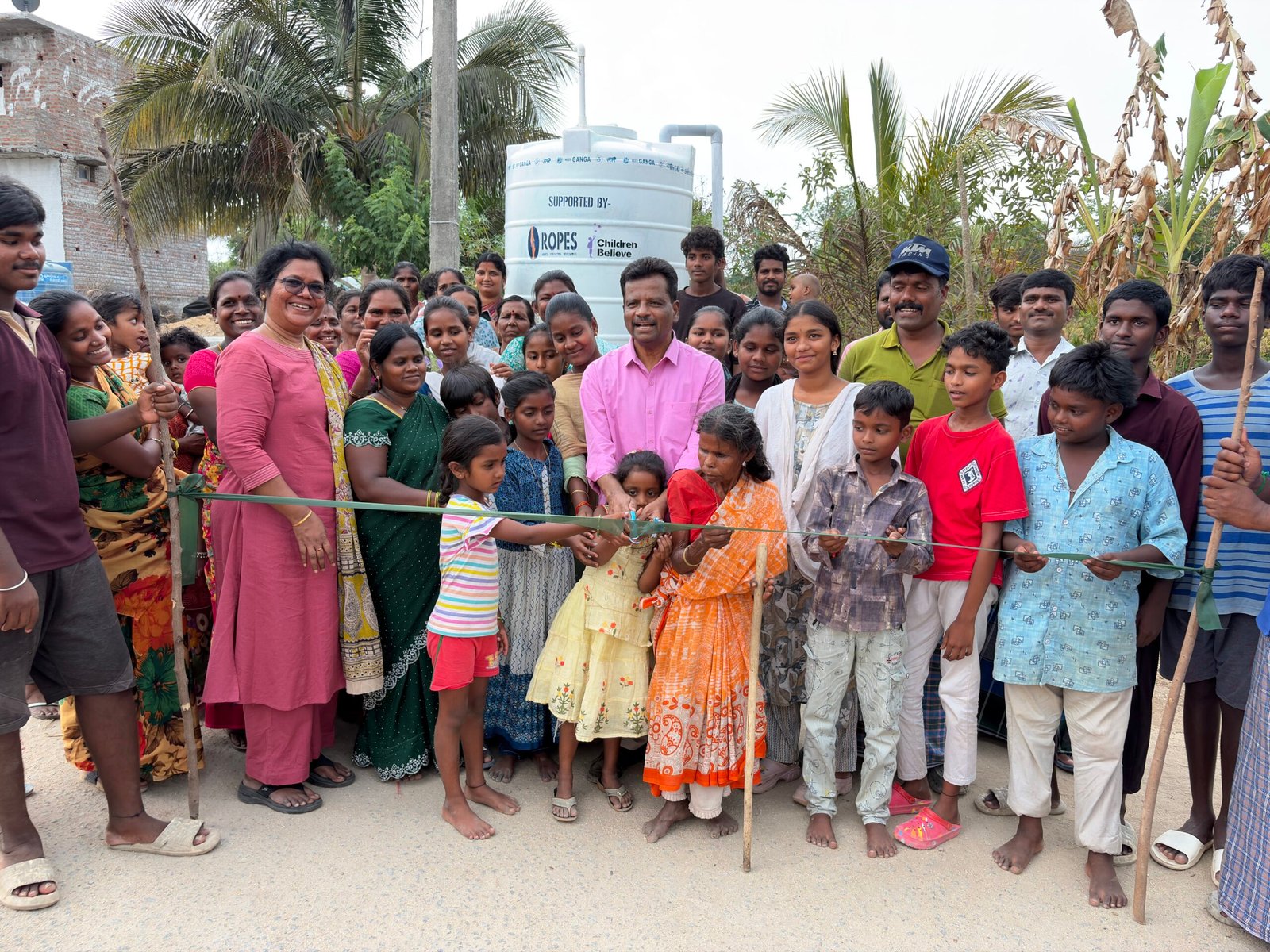
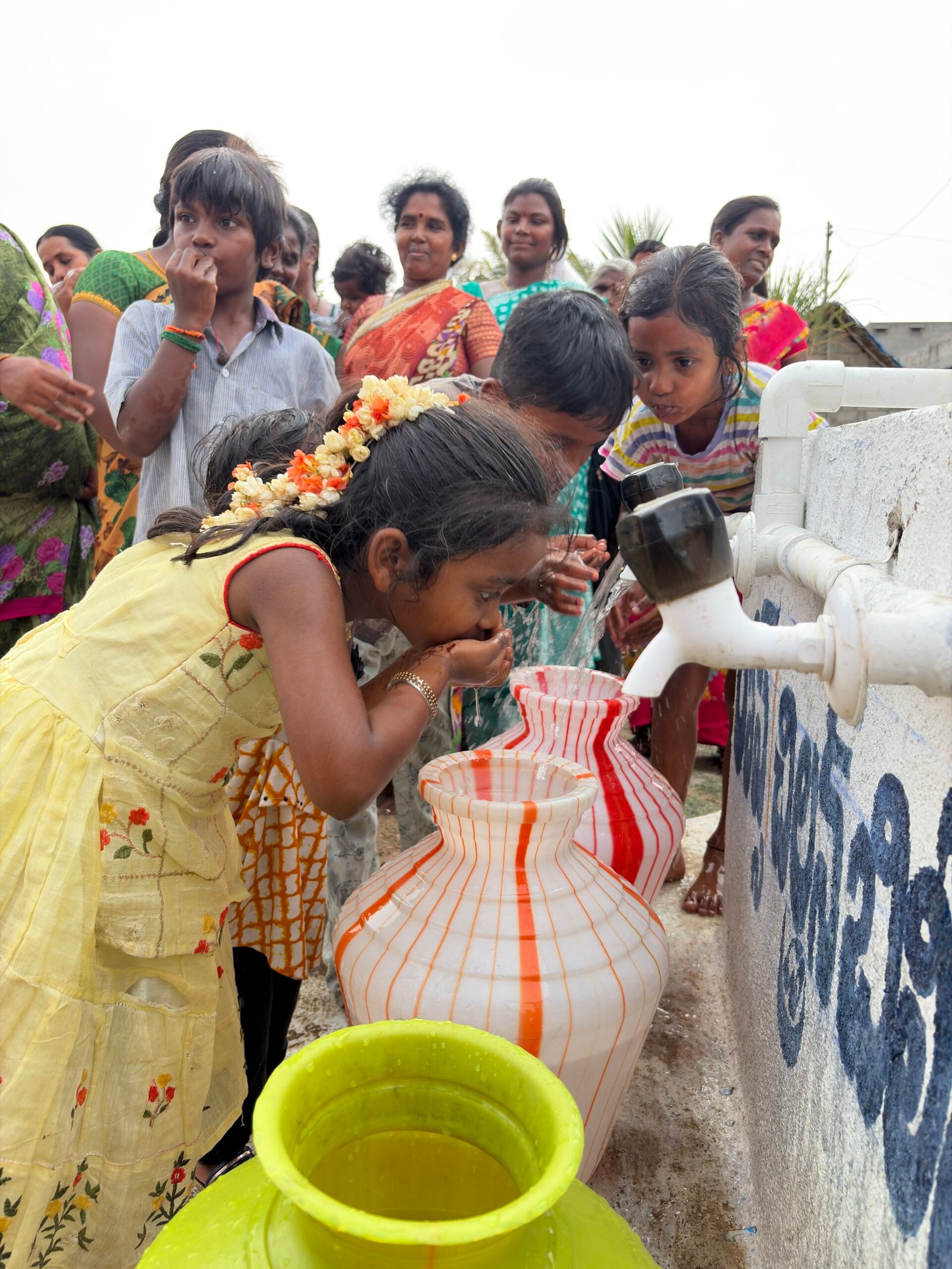
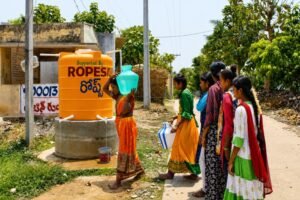
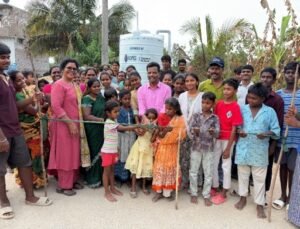
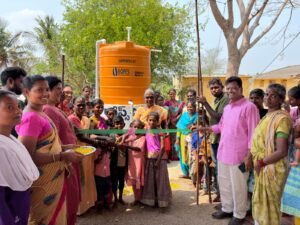
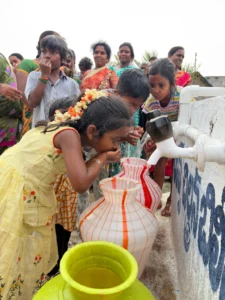
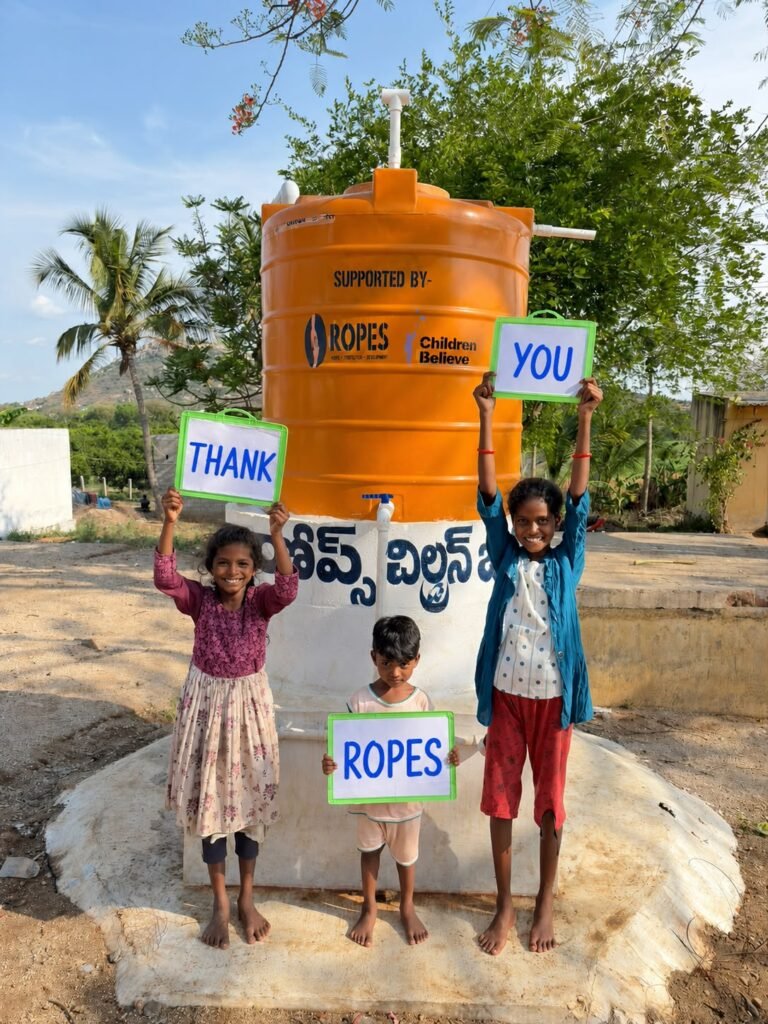
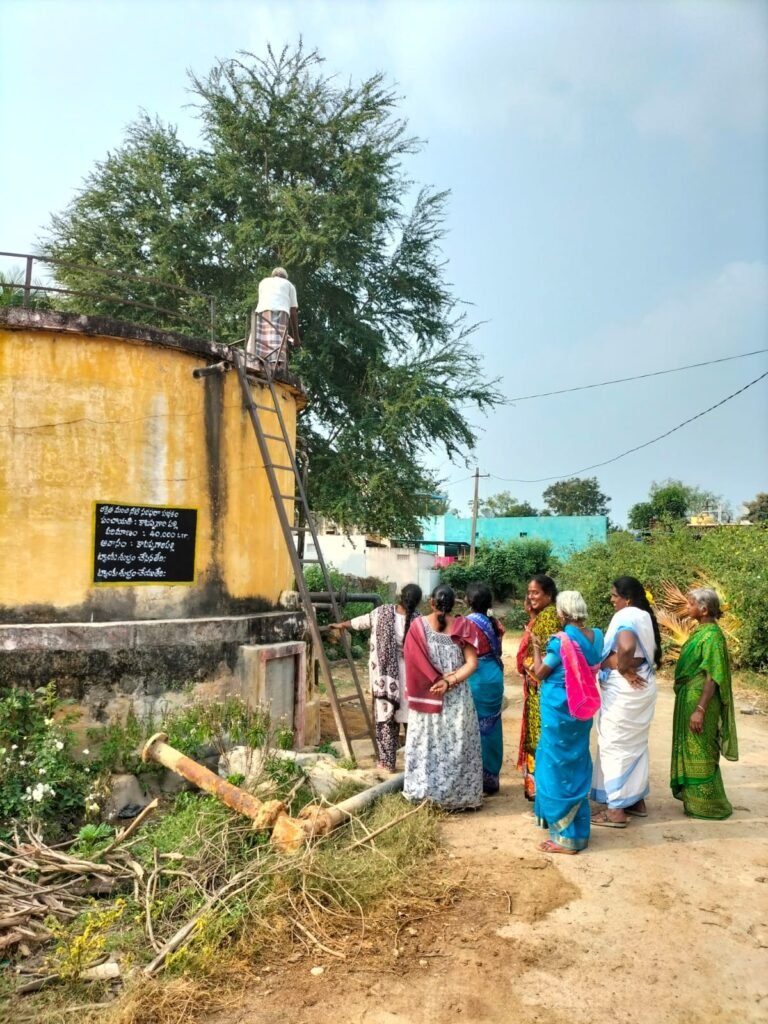
ROPES improves access to safe and reliable drinking water in remote Dalit and Tribal villages facing severe water scarcity. Under this initiative, 6 drinking water borewells were installed with motorized pumping systems, pipeline networks, and water storage facilities, ensuring sustainable access to safe drinking water for vulnerable communities. Also Established 7 Drinking Water Storage Facilities in Tribal Villages.
Prior to the intervention, families, especially women and children, had to walk more than 2 kilometers to fetch water from landlords’ borewells and open wells. The installation of safe drinking water facilities has significantly reduced this burden, improved health, hygiene, and sanitation, and enhanced the overall quality of life.
Access to nearby safe drinking water has also enabled children, particularly girls, to attend school regularly and on time instead of spending hours collecting water. ROPES further promotes community participation in the management and maintenance of water facilities to ensure long-term sustainability and community ownership.
Annual Beneficiaries: Approximately 3,500 people benefit from improved access to safe drinking water each year.
Sanitation and Hygiene Promotion:
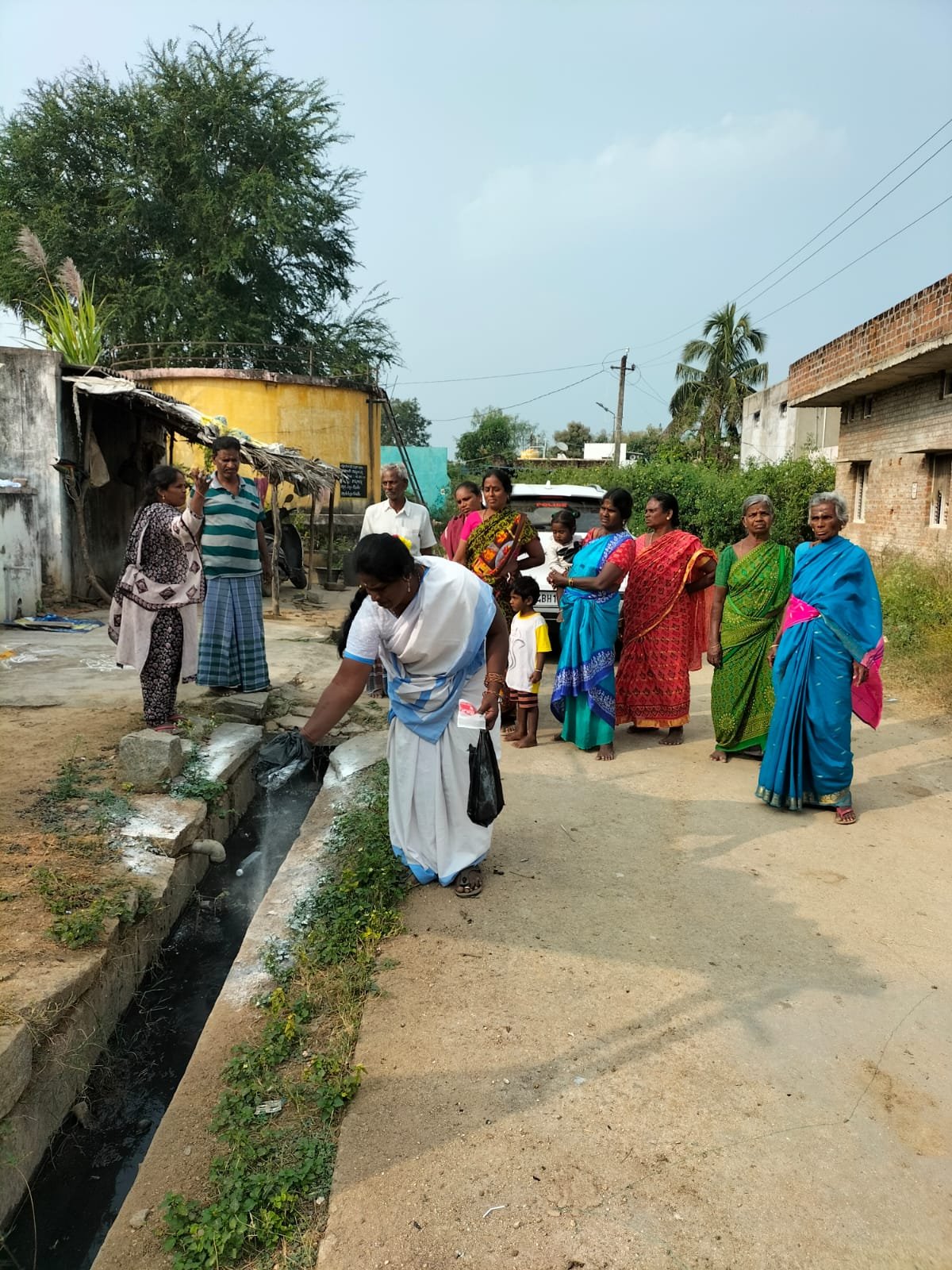
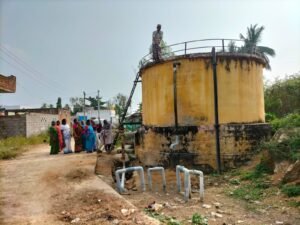
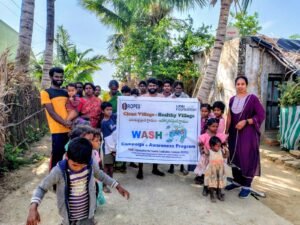
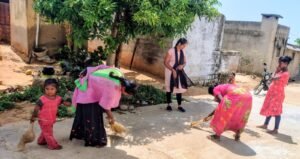
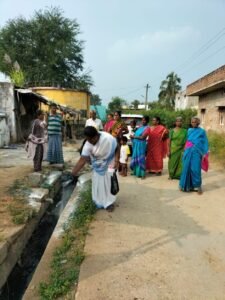
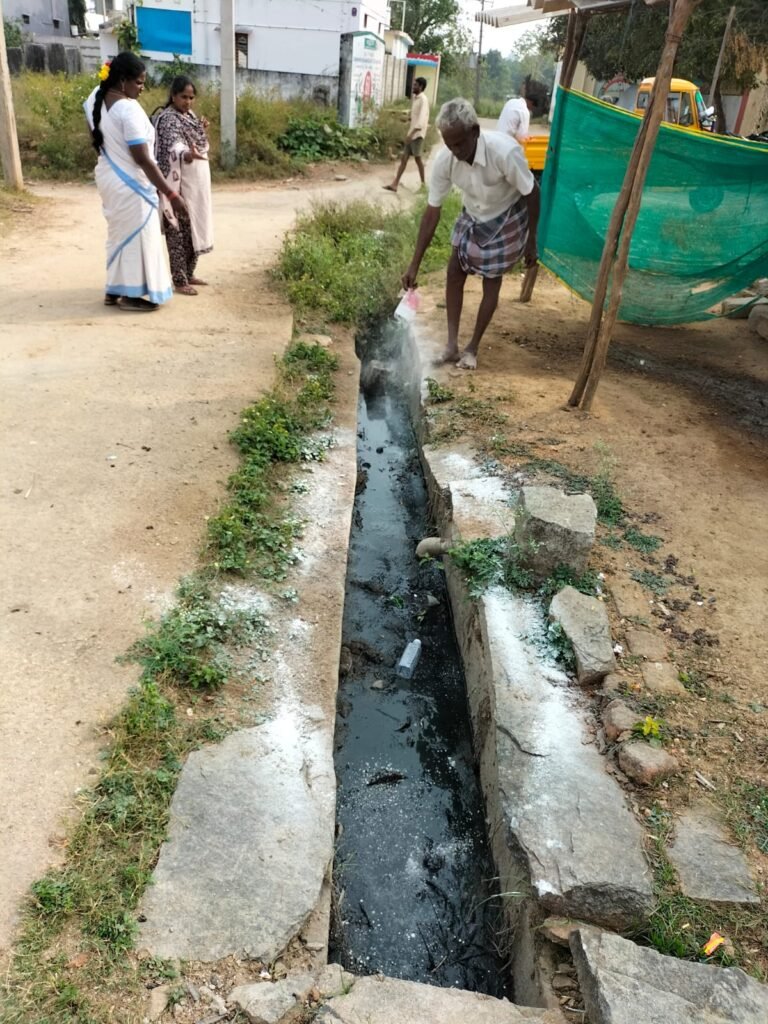
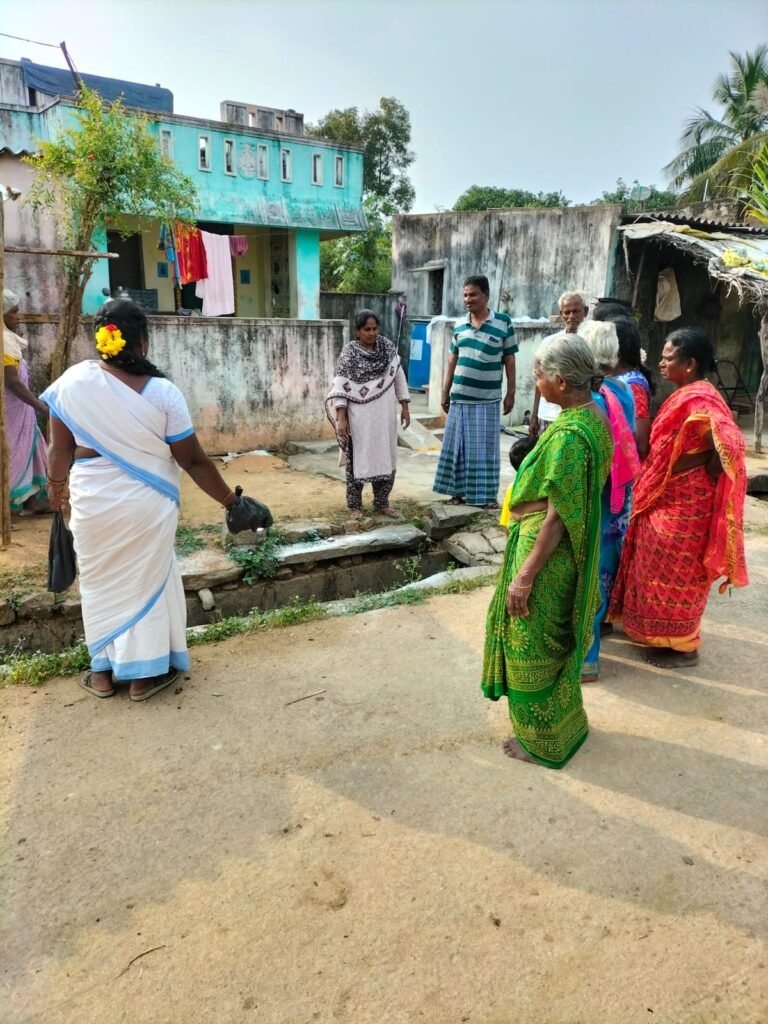
ROPES promotes improved sanitation and hygiene practices at household, school, and community levels through awareness campaigns, community mobilization, and behavior change initiatives. The programme encourages clean surroundings, safe waste disposal, personal hygiene, and environmental cleanliness to reduce health risks and prevent the spread of diseases.
Special focus is given to Dalit and Tribal villages, helping communities adopt healthy sanitation practices and create cleaner, safer living environments. Through continuous awareness and participation, the initiative contributes to improved public health, dignity, and overall well-being.
Annual Beneficiaries: More than 3,000 people from Dalit and Tribal villages benefit from sanitation and hygiene promotion activities each year.
Bio-Intensive Gardening and Nutri Garden Initiative :
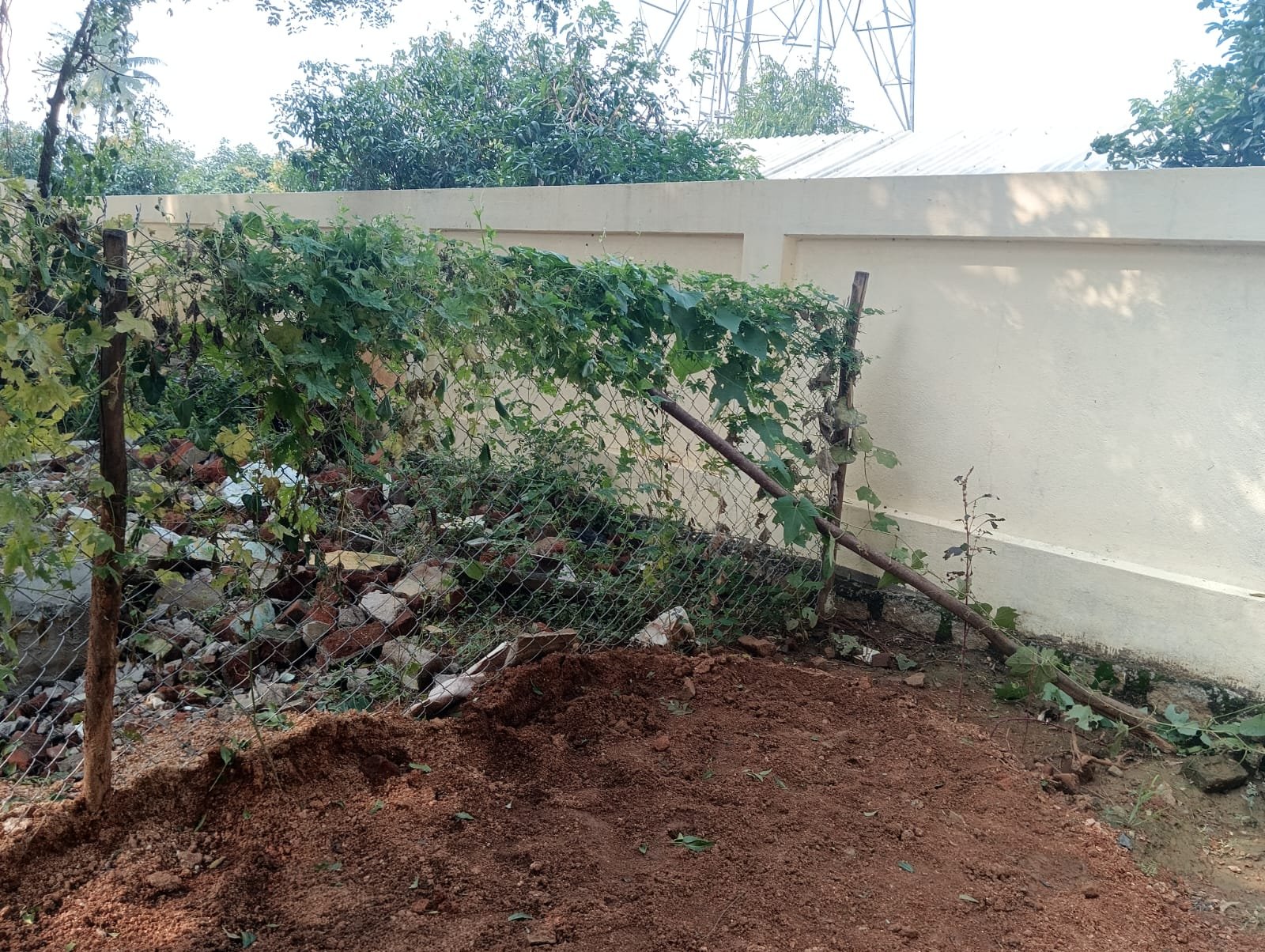
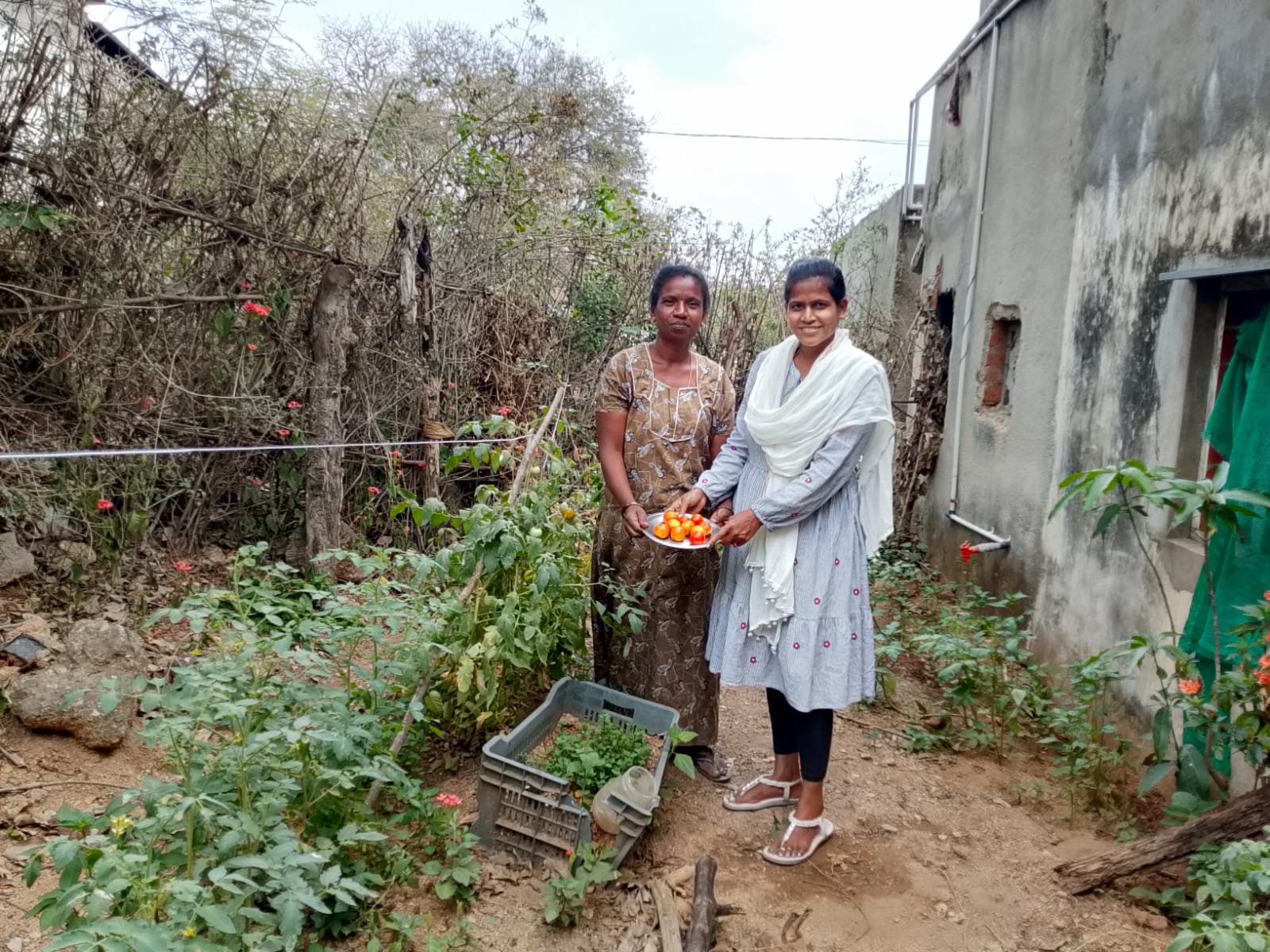
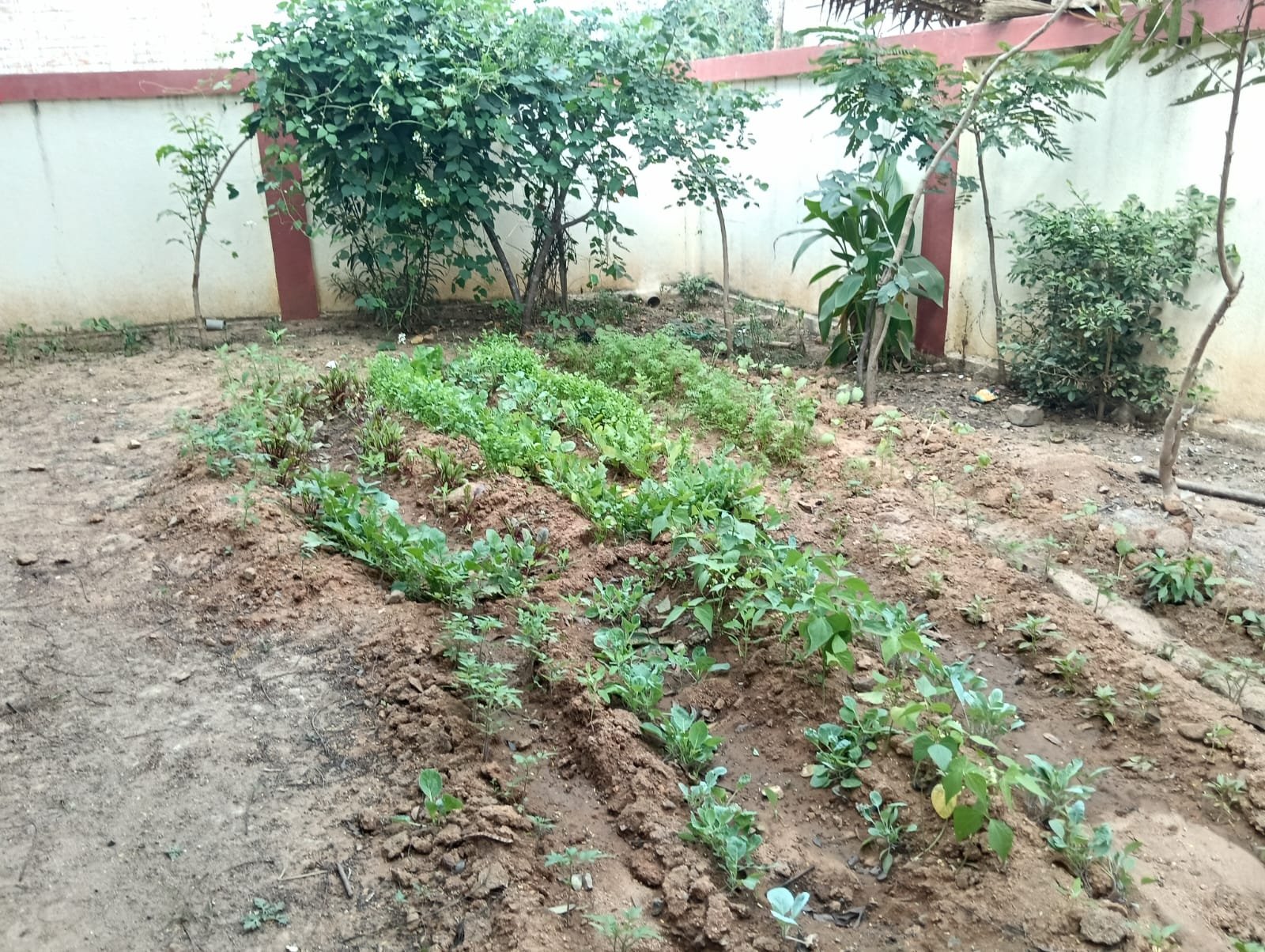
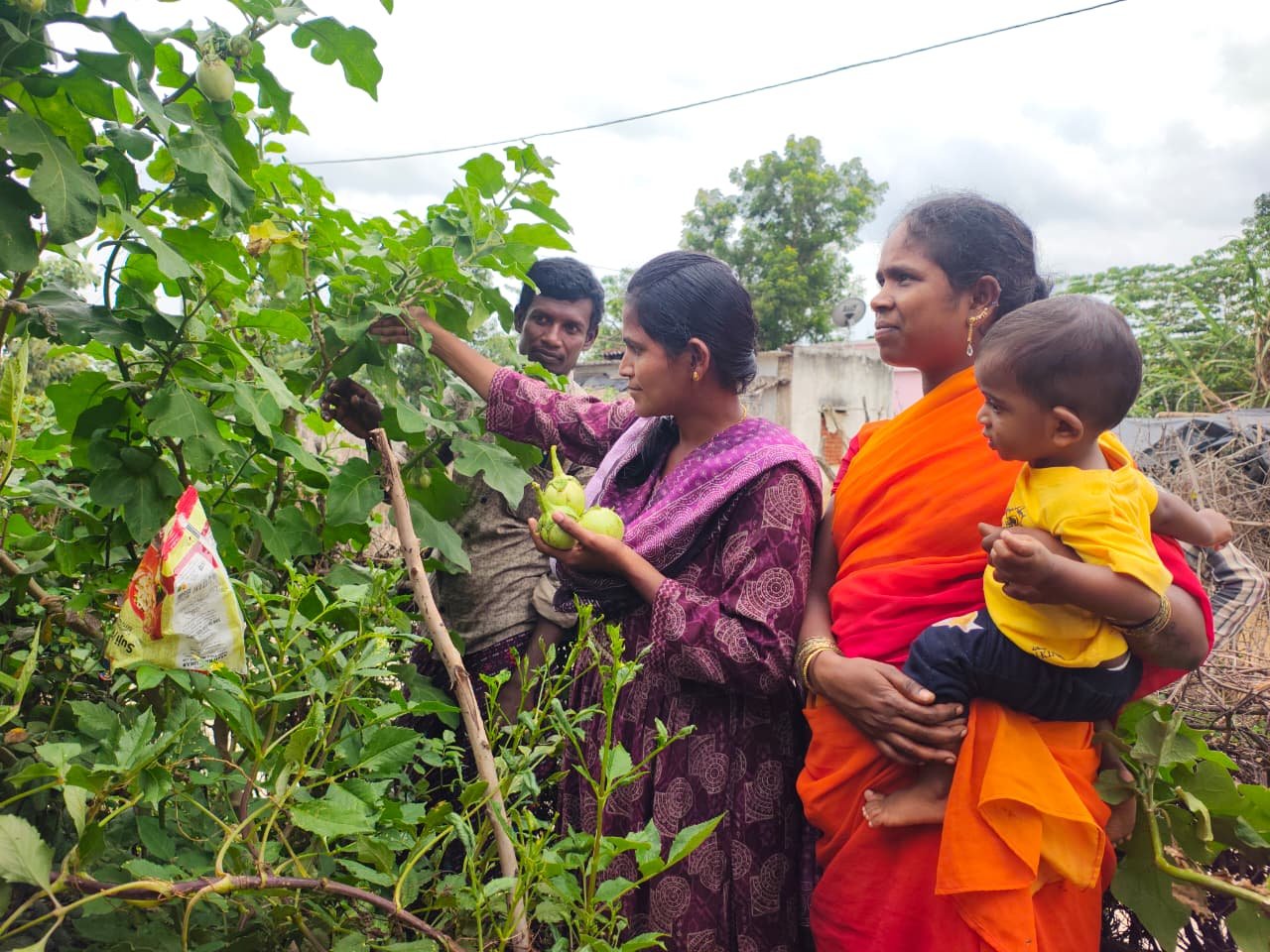
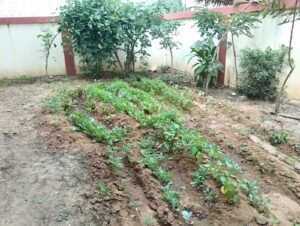
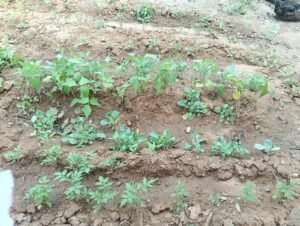
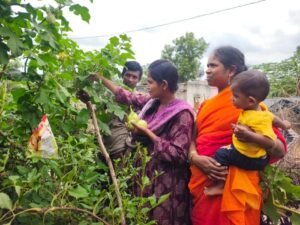
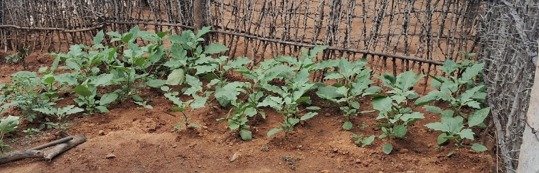
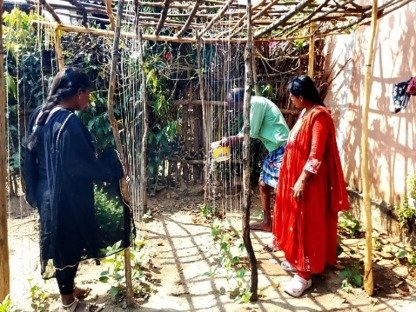
ROPES promotes Bio-Intensive Gardening (BIG) and Nutri Gardens to improve nutrition, food security, and access to fresh vegetables for vulnerable children and families. Through the provision of vegetable seeds and fencing support, Nutri Gardens have been established in schools, Anganwadi Centres, and rural communities, encouraging the cultivation of nutrient-rich vegetables, fruits, and leafy greens using sustainable practices.
The initiative serves as a practical learning platform where children and community members gain knowledge about nutrition, sustainable agriculture, environmental conservation, and healthy lifestyles. It improves access to fresh and nutritious food, enhances dietary diversity, strengthens household food security, and promotes sustainable food production.
Annual Beneficiaries: 600 Children and Families benefit from the programme each year through Nutri Gardens established in schools, Anganwadi Centres, and rural communities.
Hygiene Education and Behavior Change Campaigns :
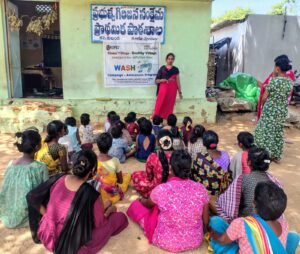
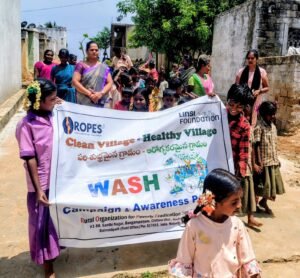
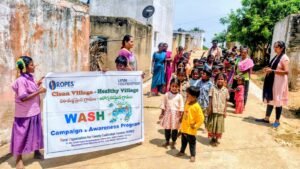
ROPES conducts regular Hygiene Education and Behavior Change Campaigns in Dalit and Tribal villages, schools, and community centers to promote healthy lifestyles and prevent hygiene-related diseases. Through awareness programmes, children, women, and families are educated on the importance of personal hygiene, sanitation, and safe health practices.
The programme includes handwashing demonstrations and awareness sessions in schools and communities, helping children understand the importance of washing hands with soap at critical times to prevent infections and water-borne diseases. Awareness activities also focus on safe handling and storage of drinking water, personal and household hygiene, environmental sanitation, community cleanliness, and proper maintenance of water storage facilities and drainage systems.
By encouraging positive behavior changes and healthy habits, the initiative contributes to improved health, reduced disease risks, and cleaner living environments. These efforts help children and families develop lifelong hygiene practices that support their overall well-being and quality of life.
Annual Beneficiaries: 18000 Children, Women, and Community Members benefit from hygiene education and behavior change campaigns each year.
Nutrition Education and Awareness :
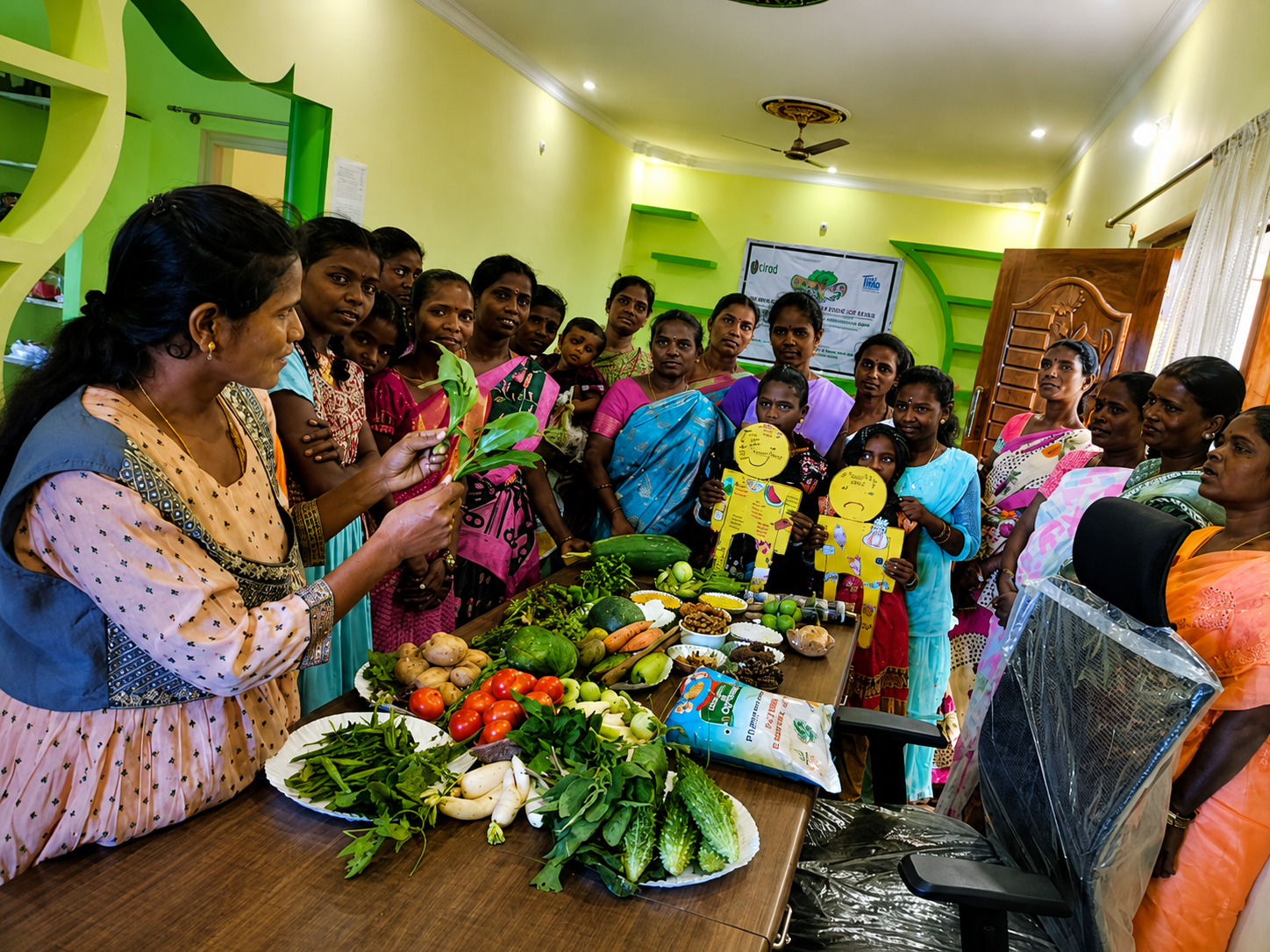
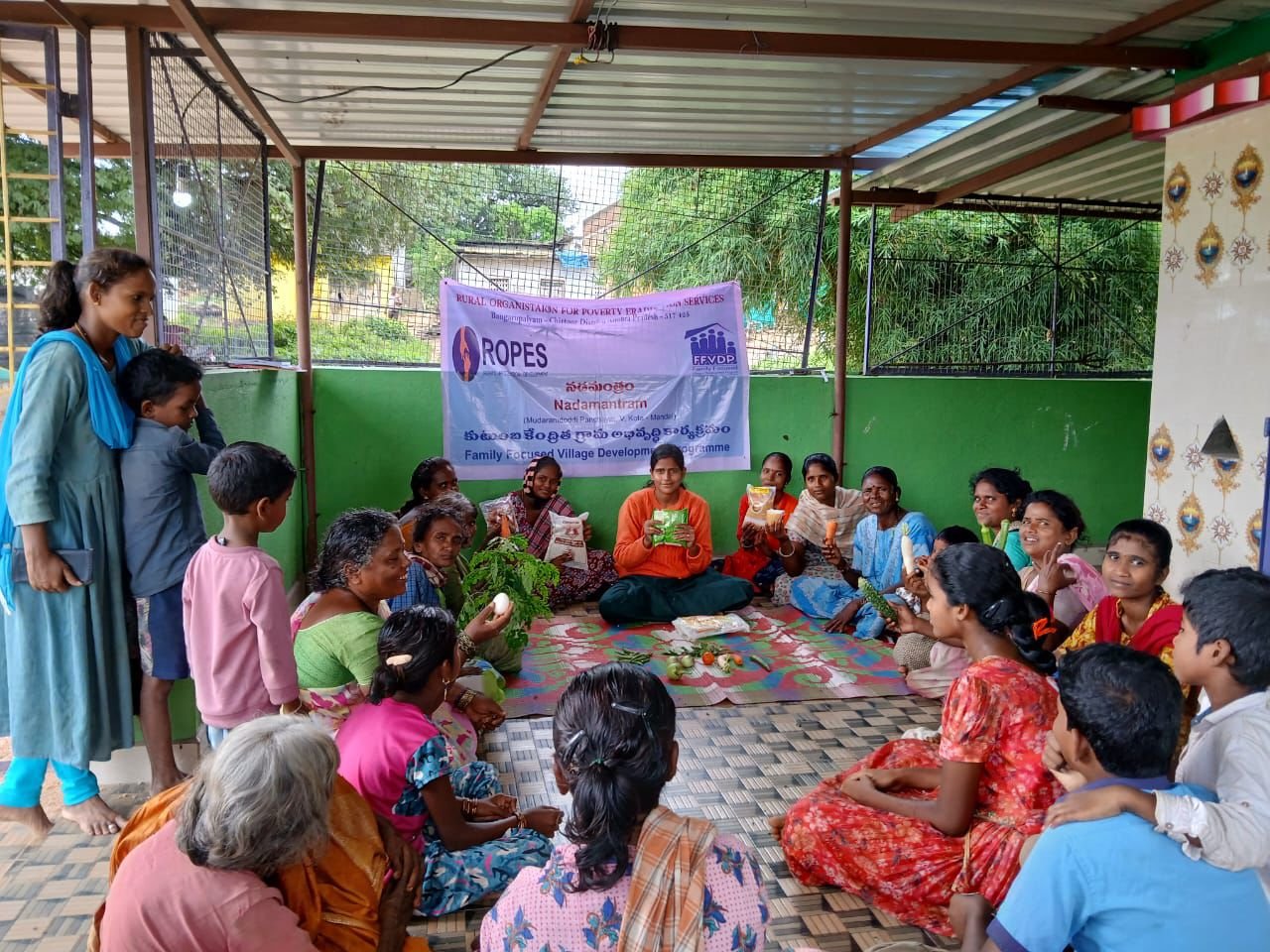
ROPES conducts Nutrition Education and Awareness programmes for mothers, caregivers, adolescents, and community members to promote healthy eating habits and improved nutritional well-being. The programme focuses on the importance of balanced diets, maternal nutrition, child growth and development, infant and young child feeding practices, and the prevention of malnutrition.
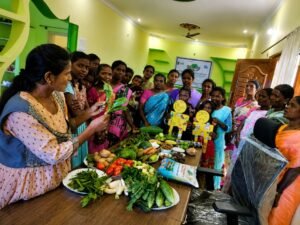
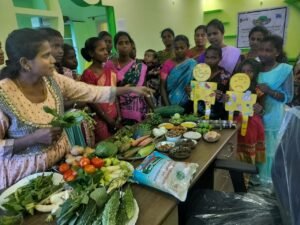
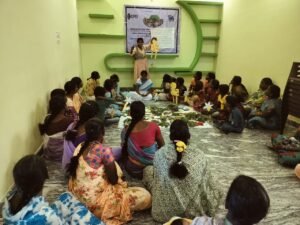
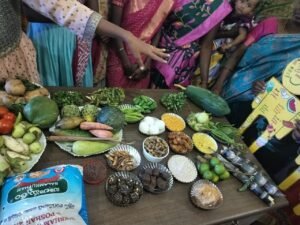
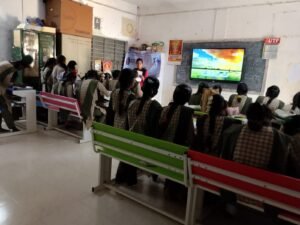
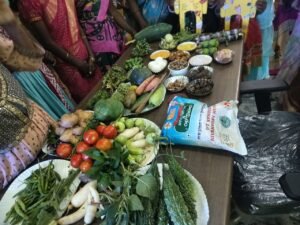
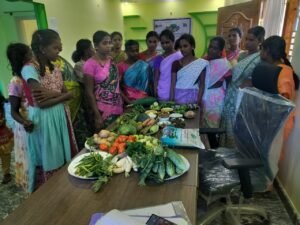
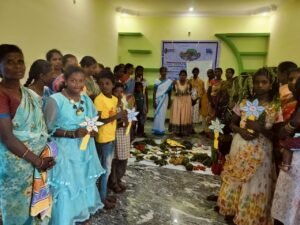
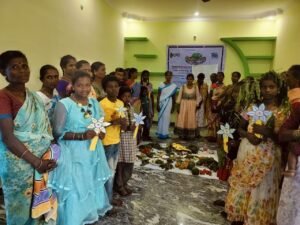
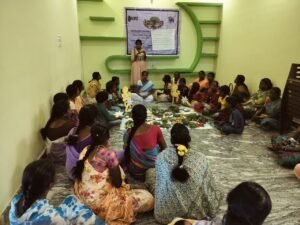
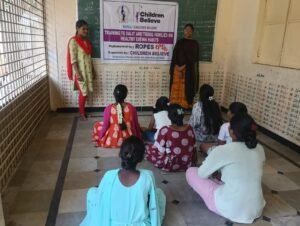
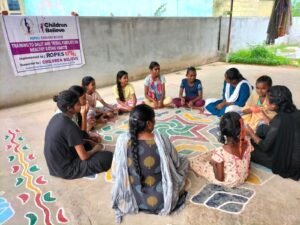
Special awareness sessions are conducted on nutrition during pregnancy and lactation, helping families make informed food choices and adopt healthy feeding practices. Through community-based education, the initiative strengthens knowledge on nutrition and contributes to the overall health and well-being of children, women, and families.
Annual Beneficiaries: 12000 Mothers, Caregivers, Adolescents, and Community Members benefit from nutrition education and awareness programmes each year.