Bonded Labour Prevention & Awareness :
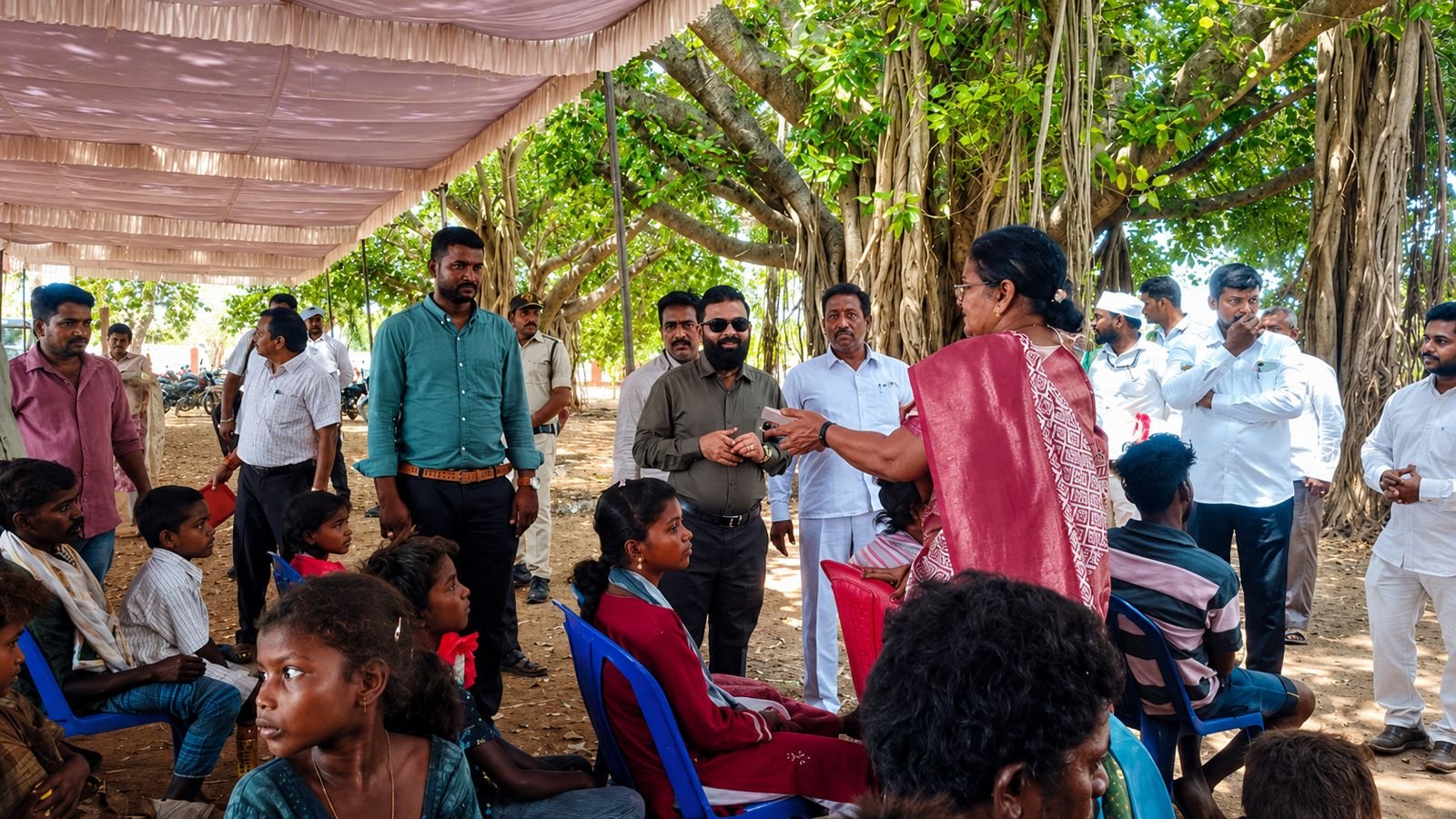
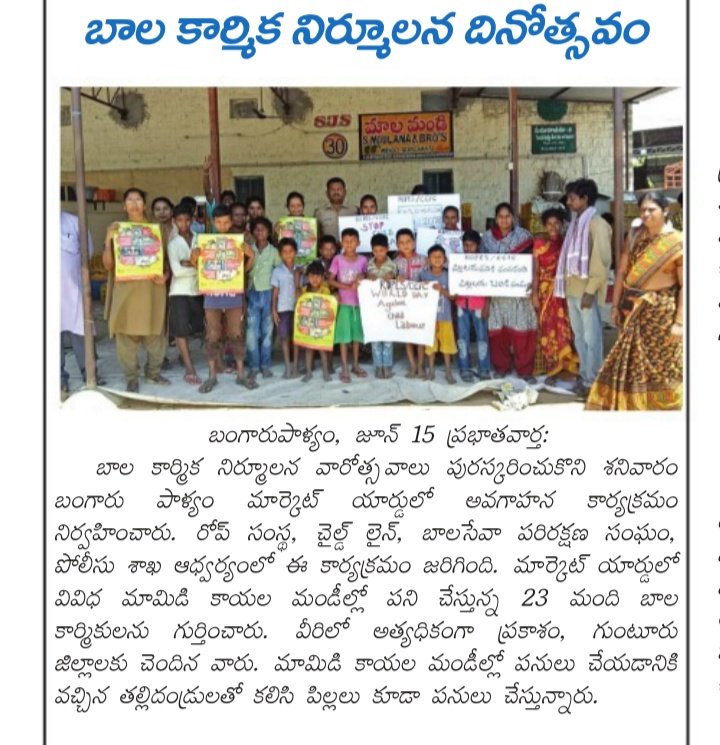
ROPES conducted intensive awareness campaigns in vulnerable Dalit and Tribal communities across Bangarupalyam and Palamaner Mandals to educate people about the dangers of bonded labour and their legal rights. Through street plays, short films, posters, cultural programmes, and community meetings, the programme reached more than 50,000 people, creating awareness on the Bonded Labour System (Abolition) Act, 1976 and promoting freedom, dignity, and protection from exploitation.
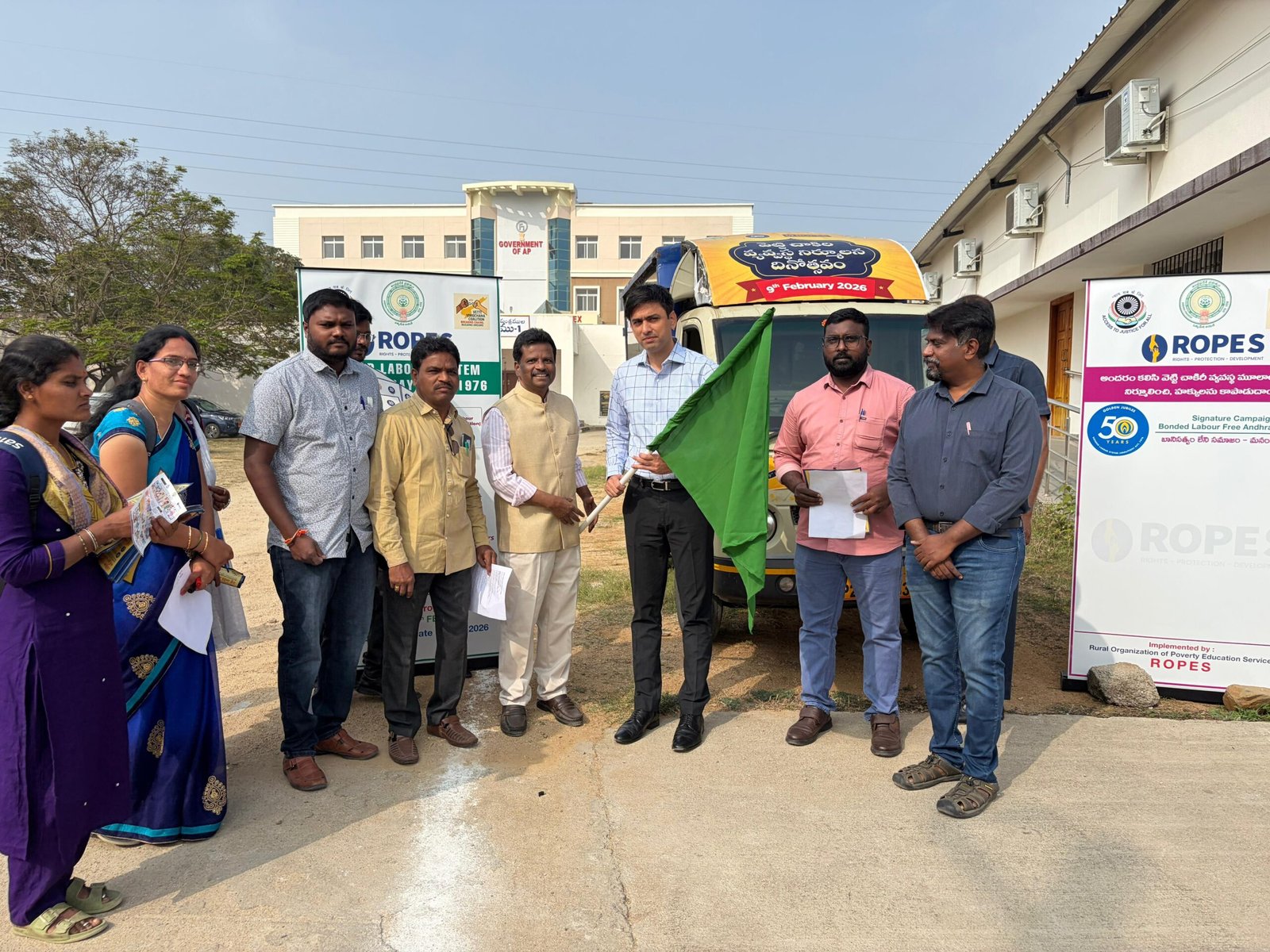
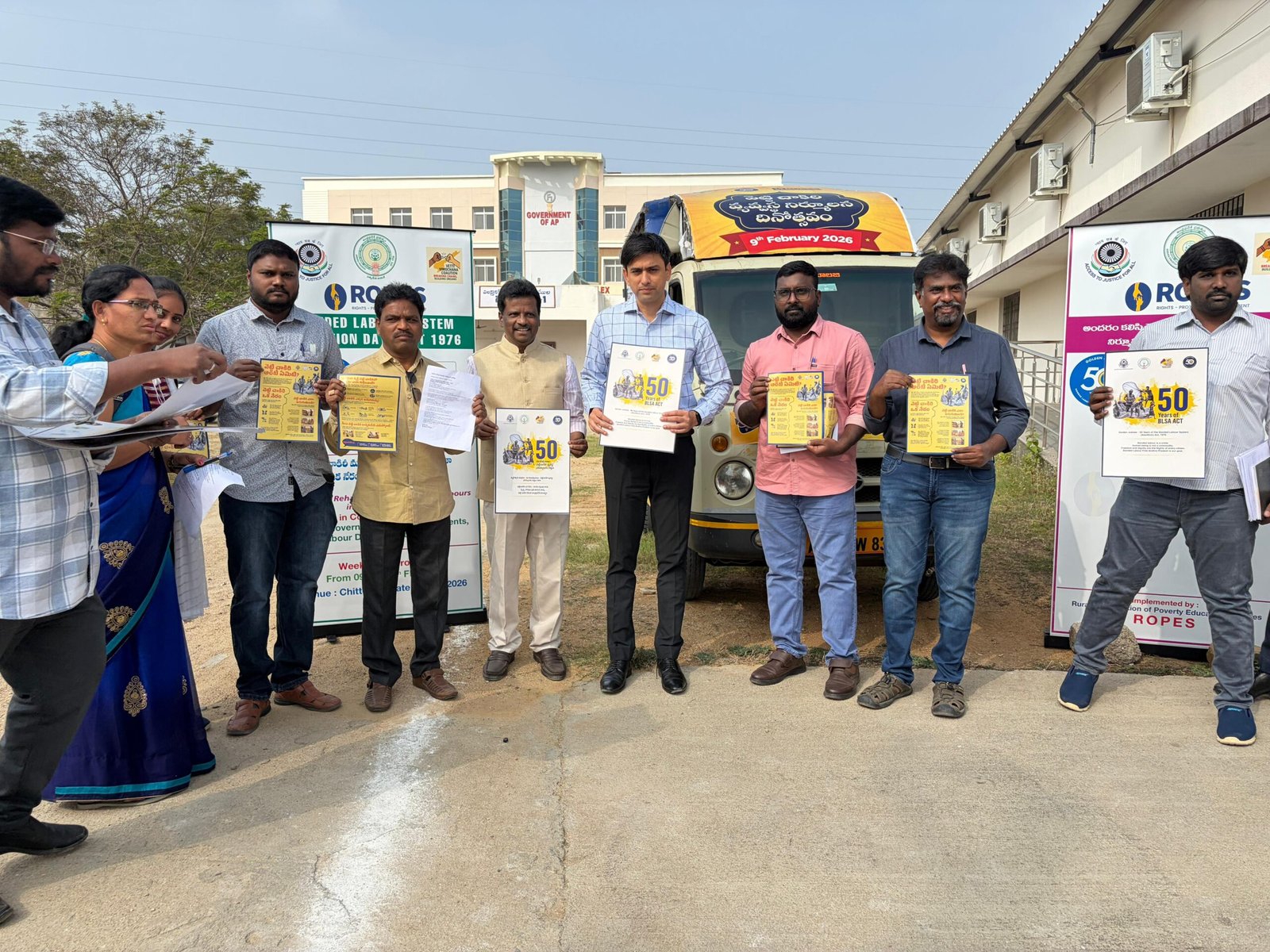
Bonded Labour System Abolition Day :
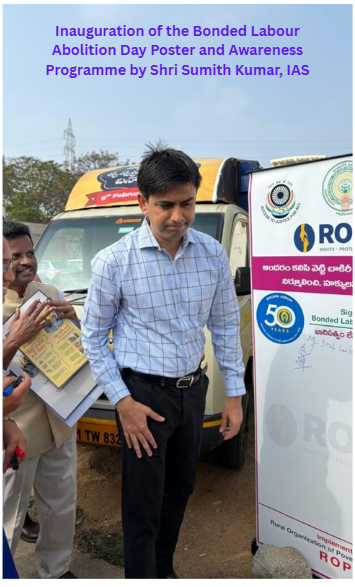
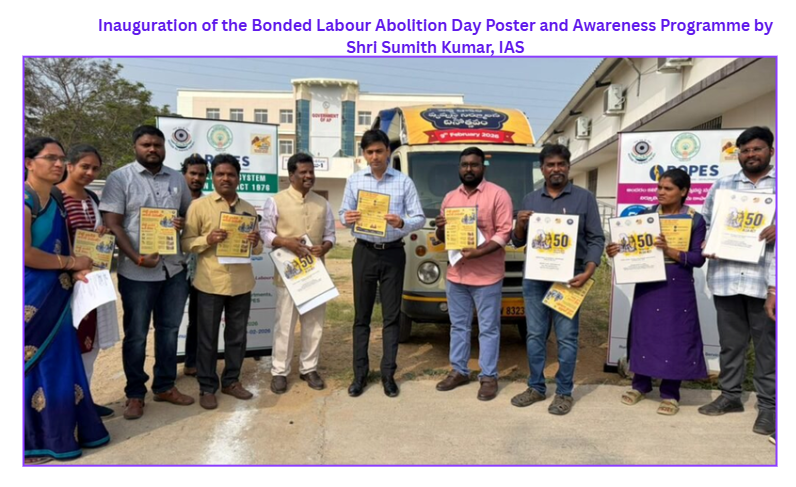
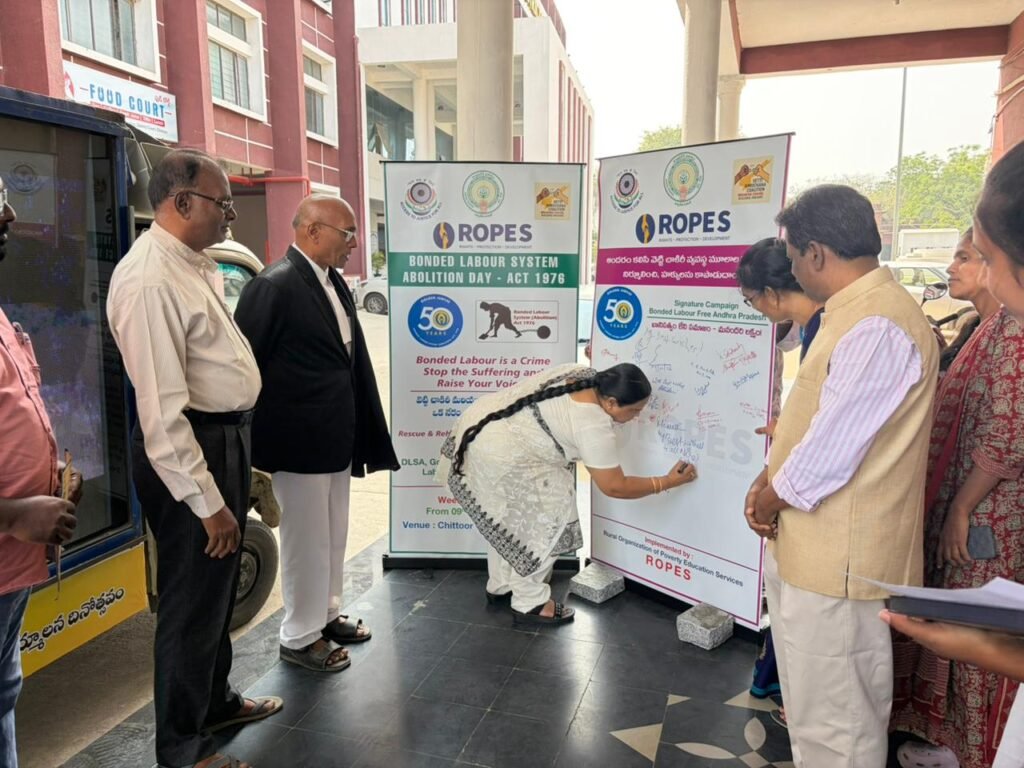
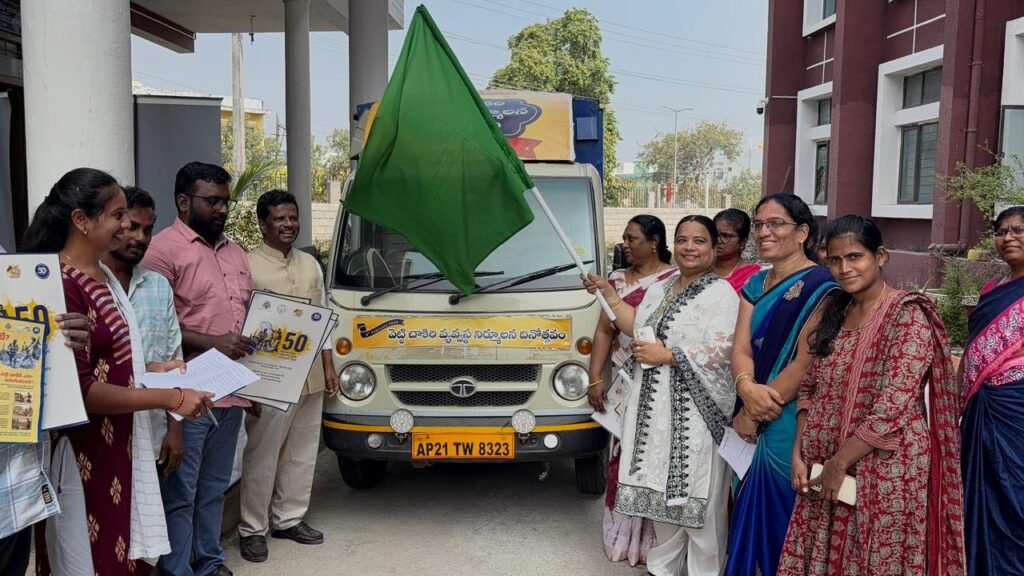
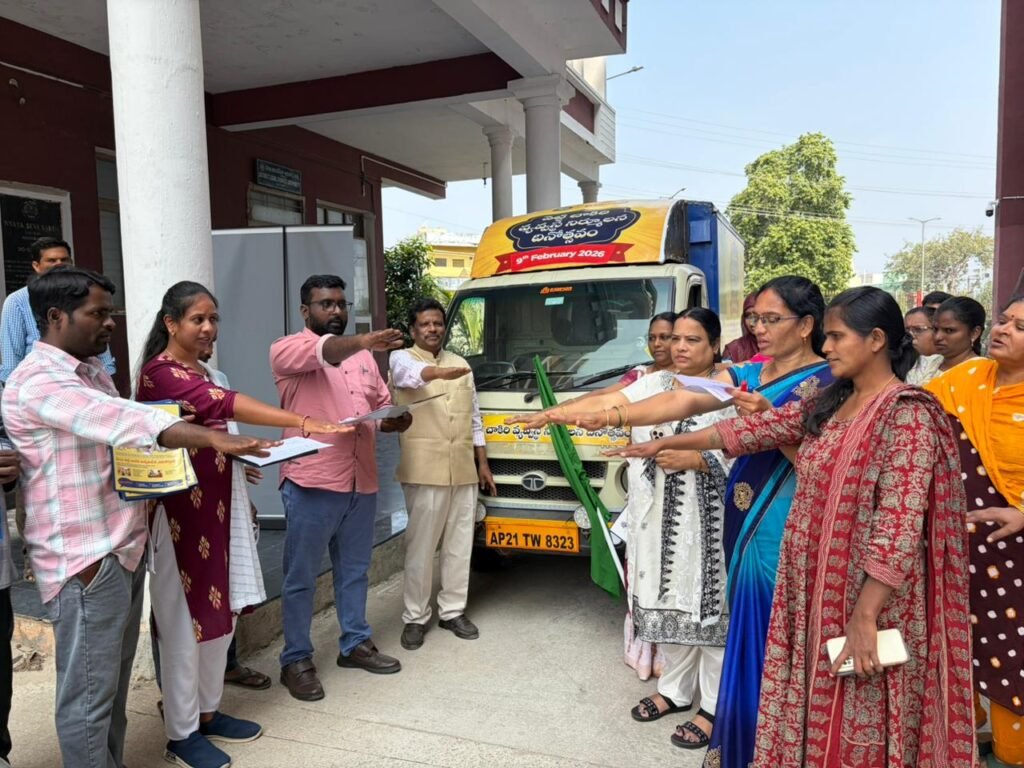
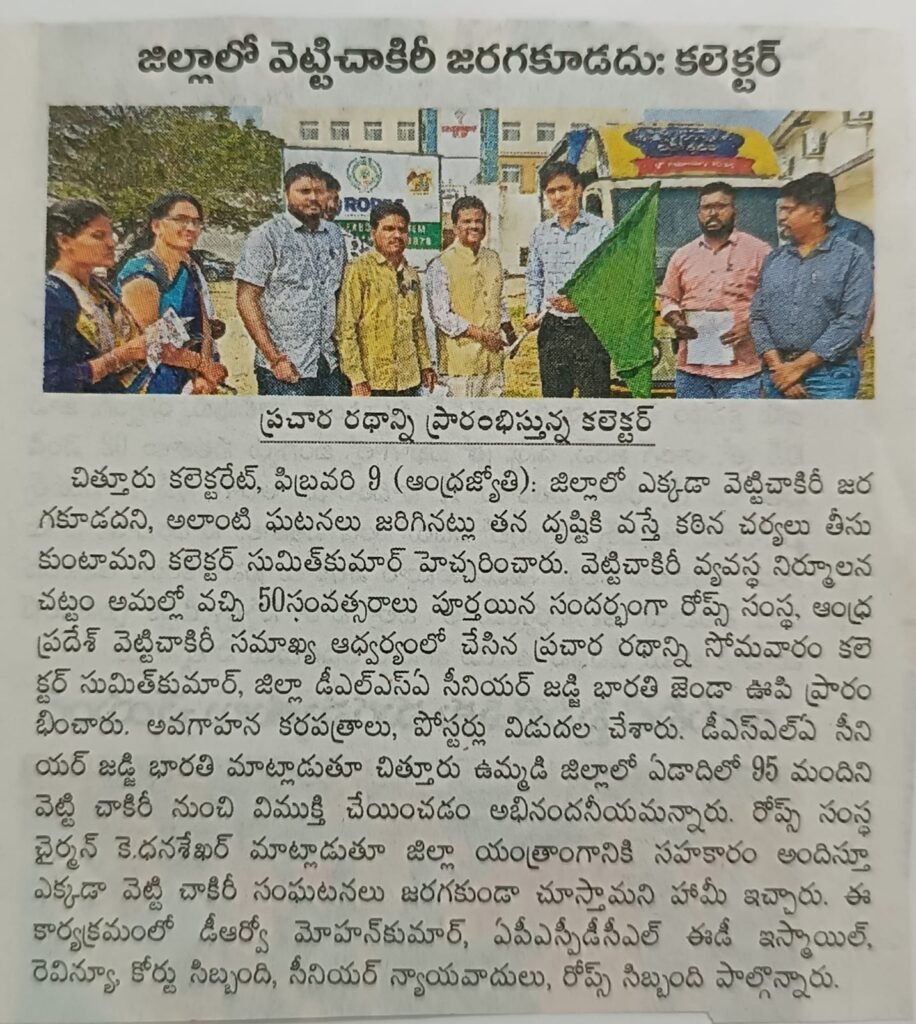
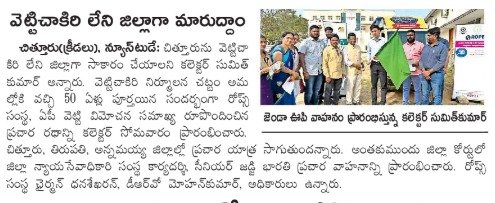
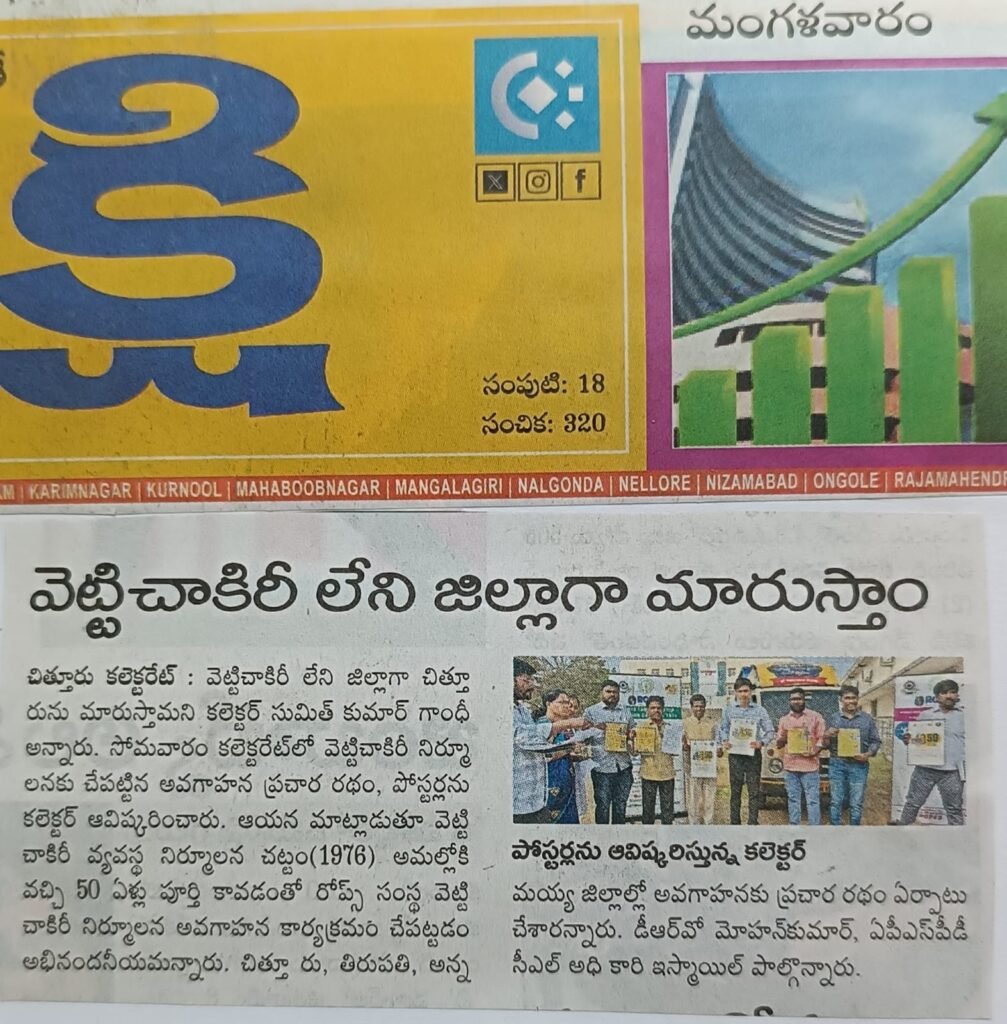
ROPES observed Bonded Labour System Abolition Day through a statewide campaign across Chittoor, Tirupati, Nellore, Annamayya, Sri Sathya Sai, and Kadapa districts.
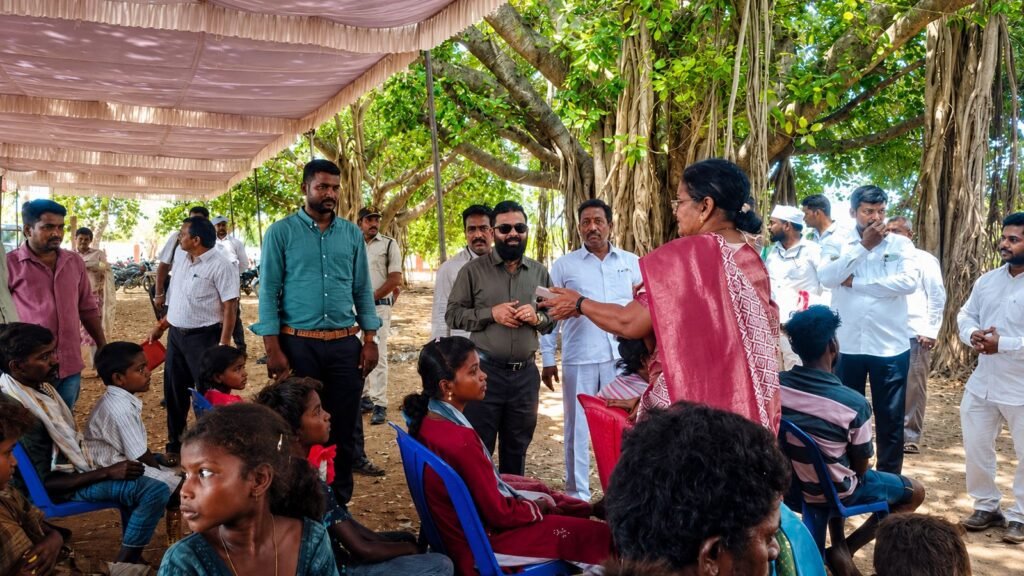
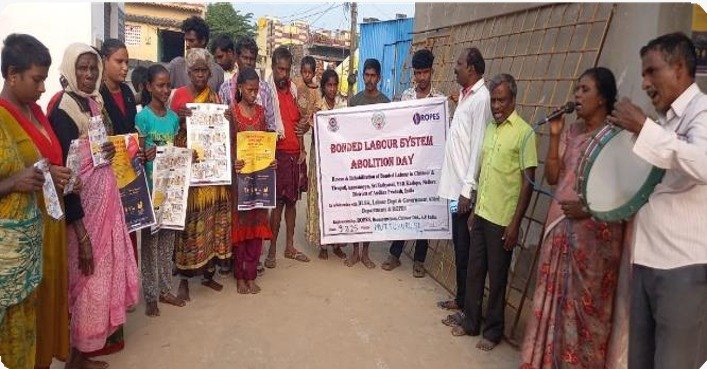
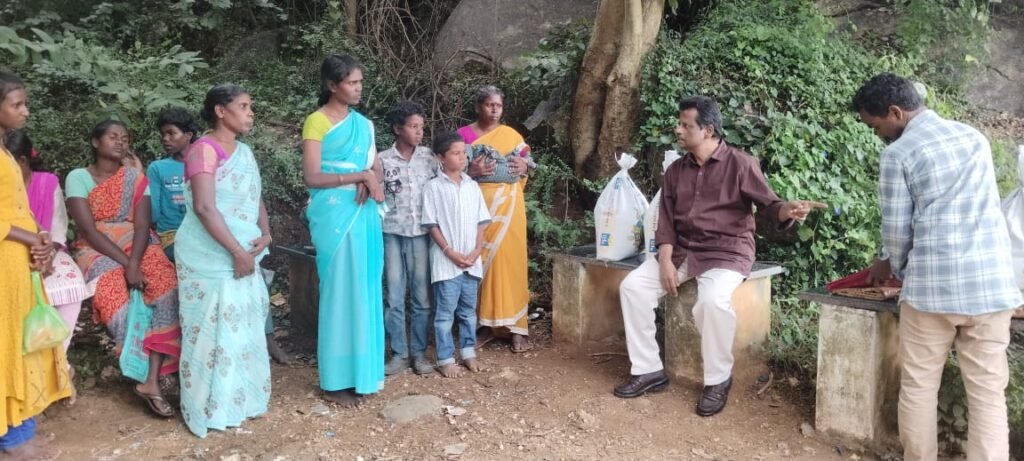
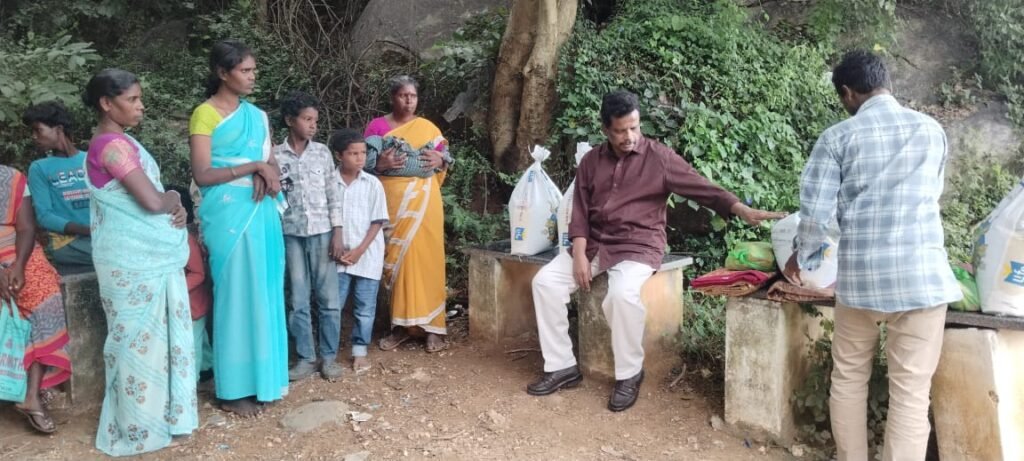
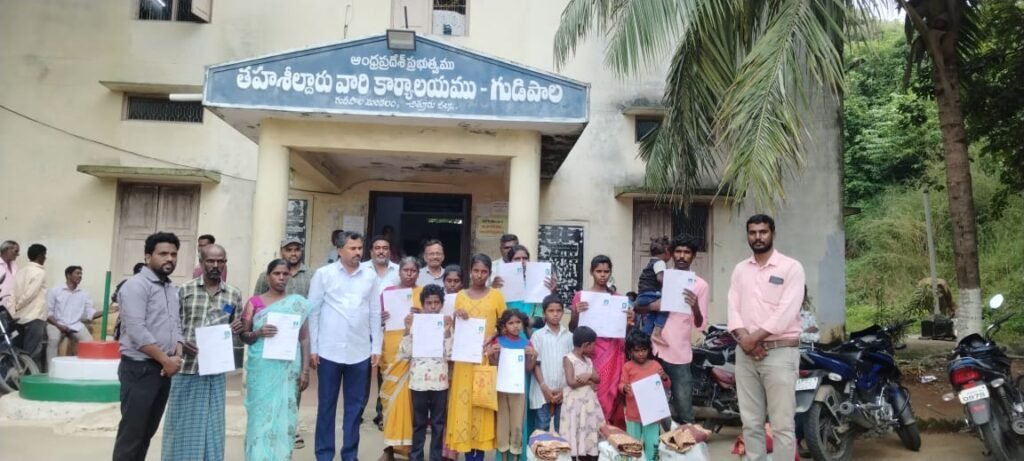
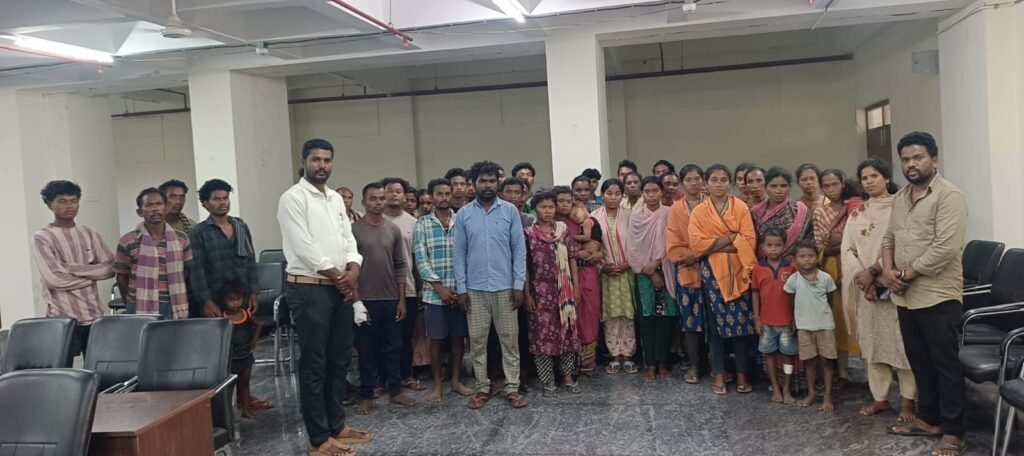
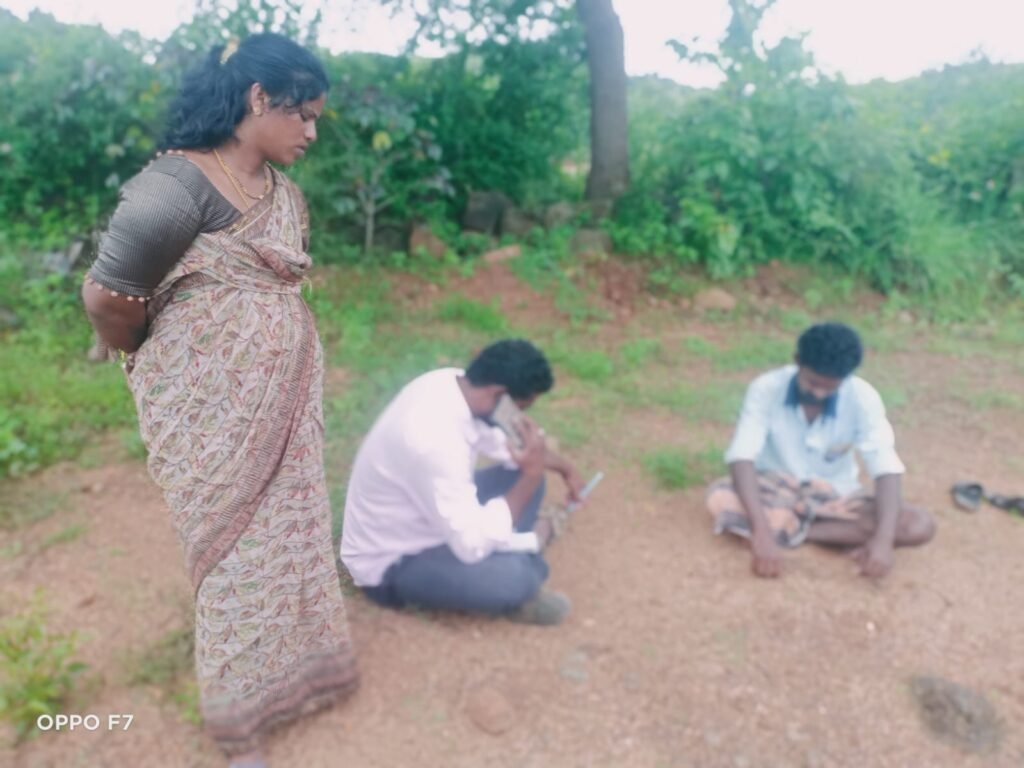
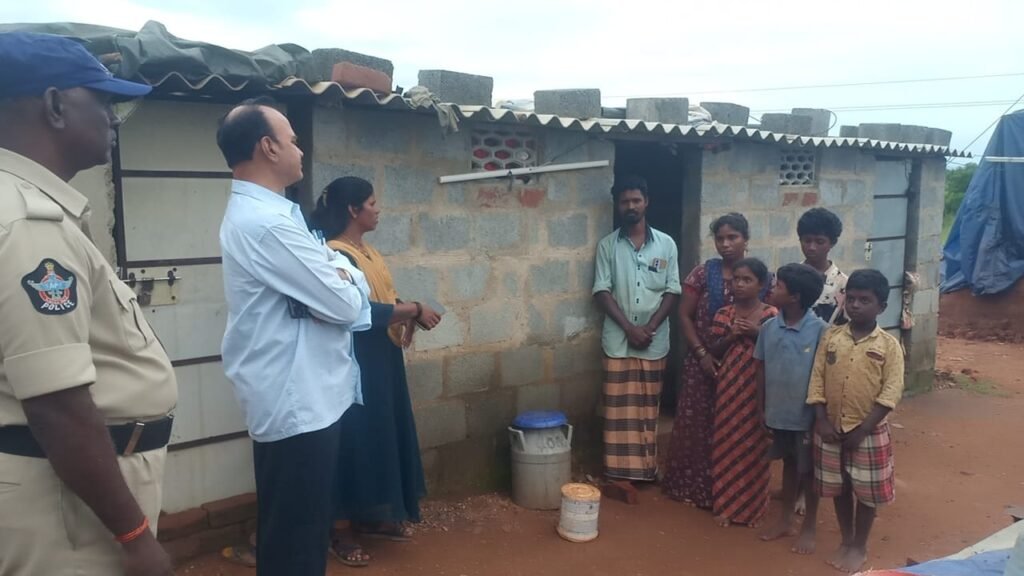
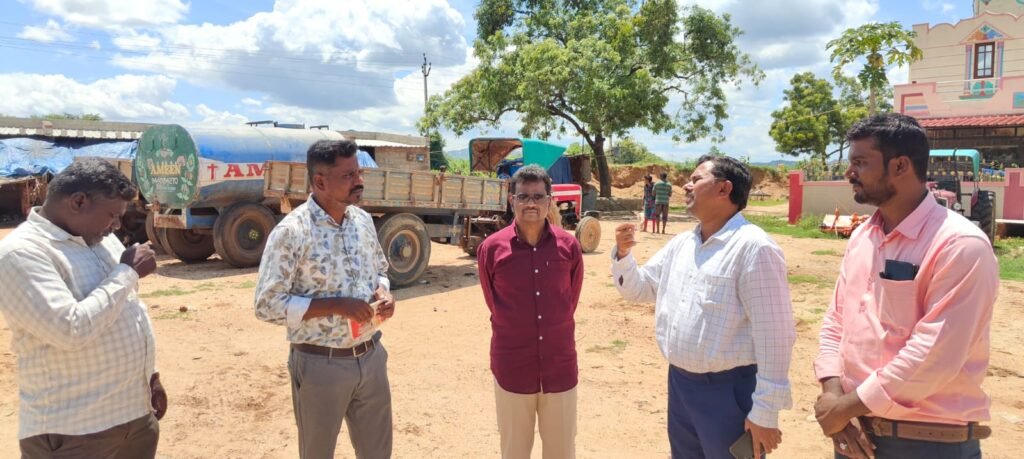
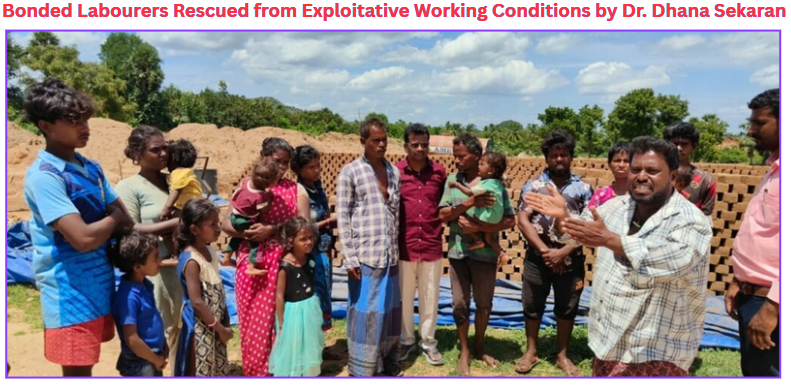
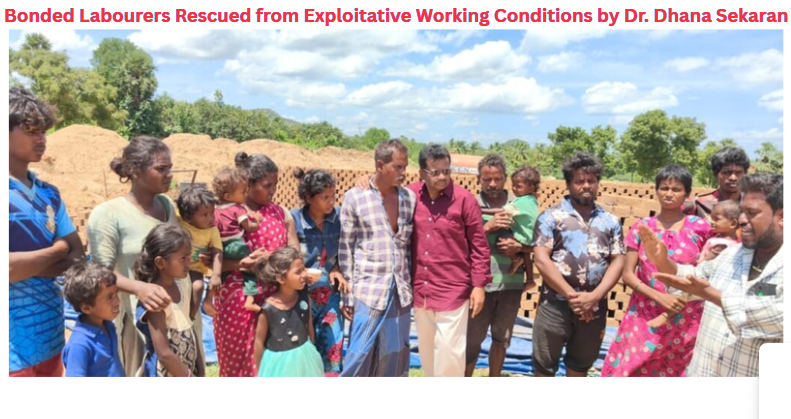
Awareness programmes, cultural events, public meetings, and poster campaigns mobilized communities and strengthened public commitment towards eliminating bonded labour and protecting workers’ rights.
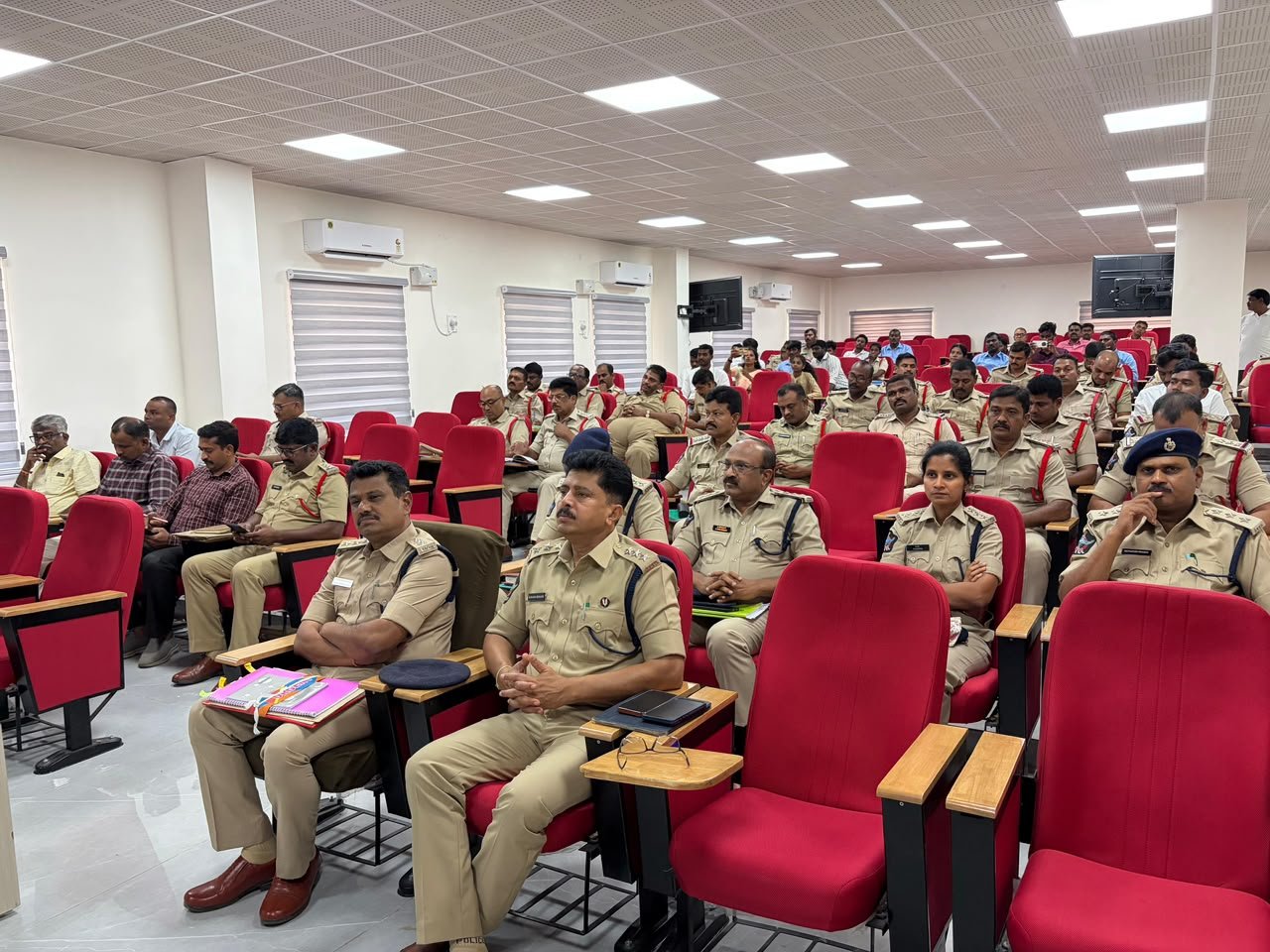
Capacity Building of Police and Government Officials :
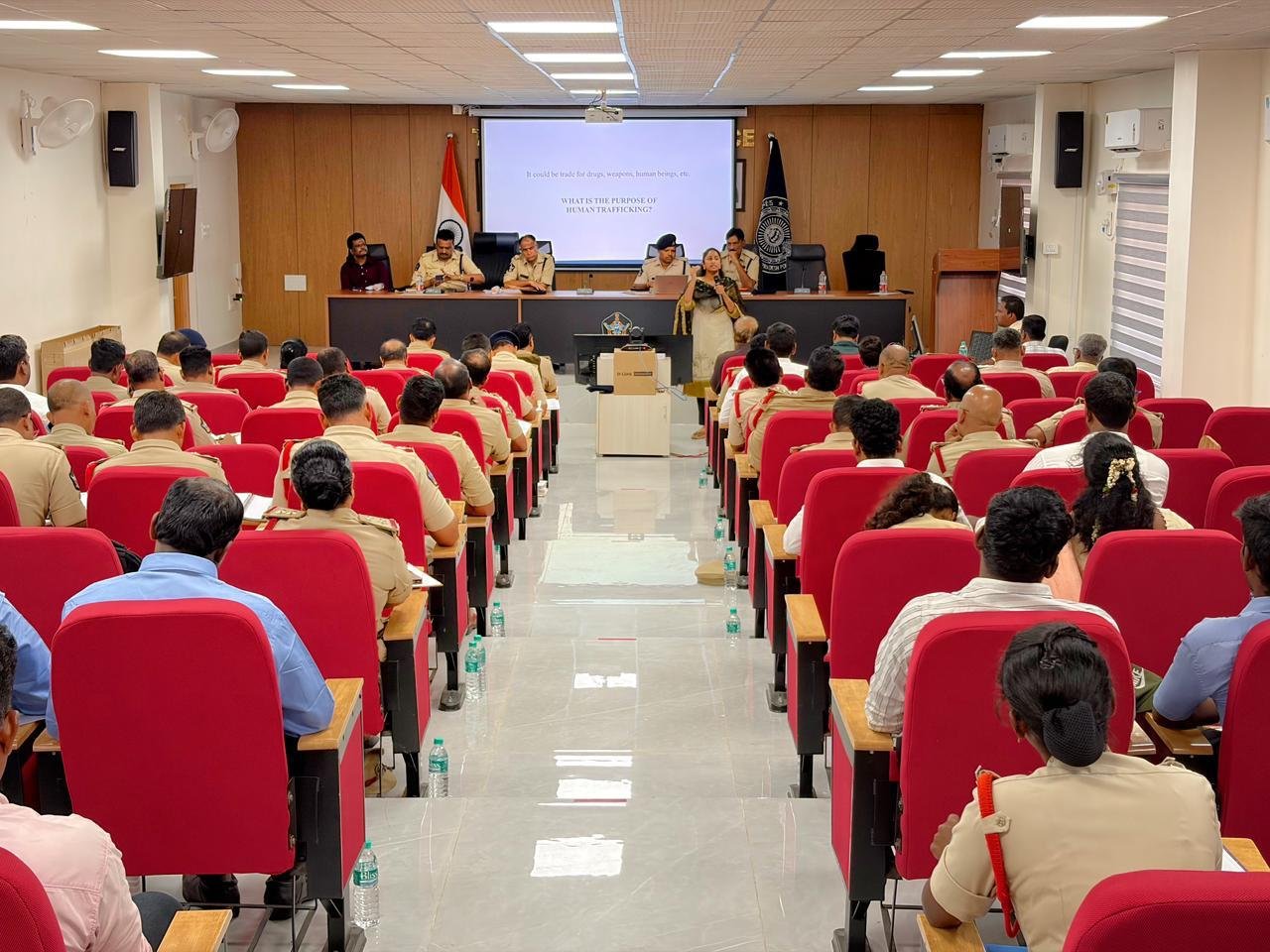
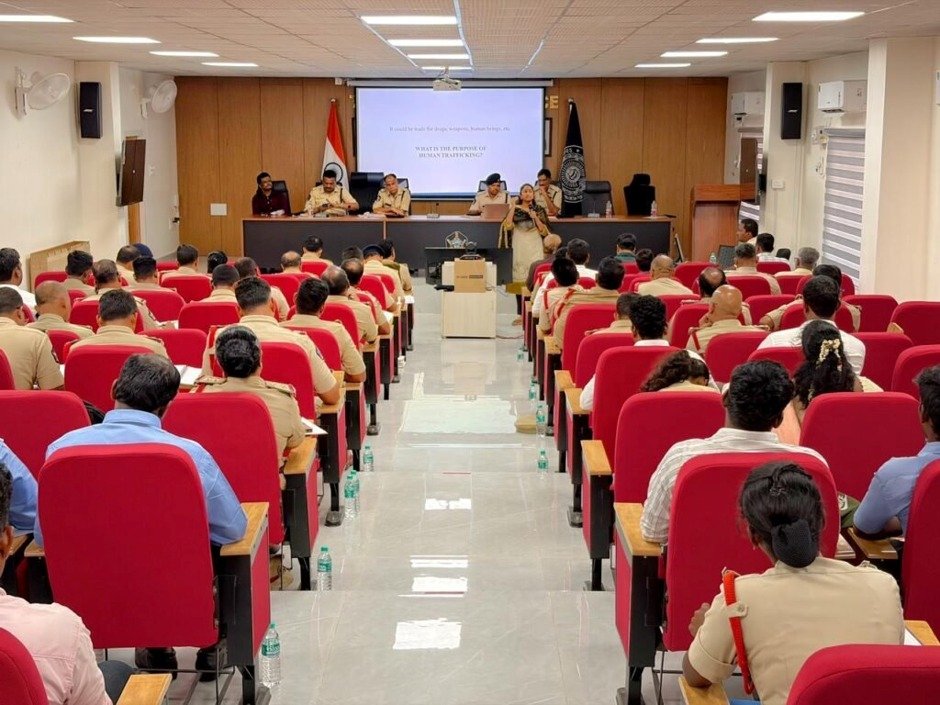
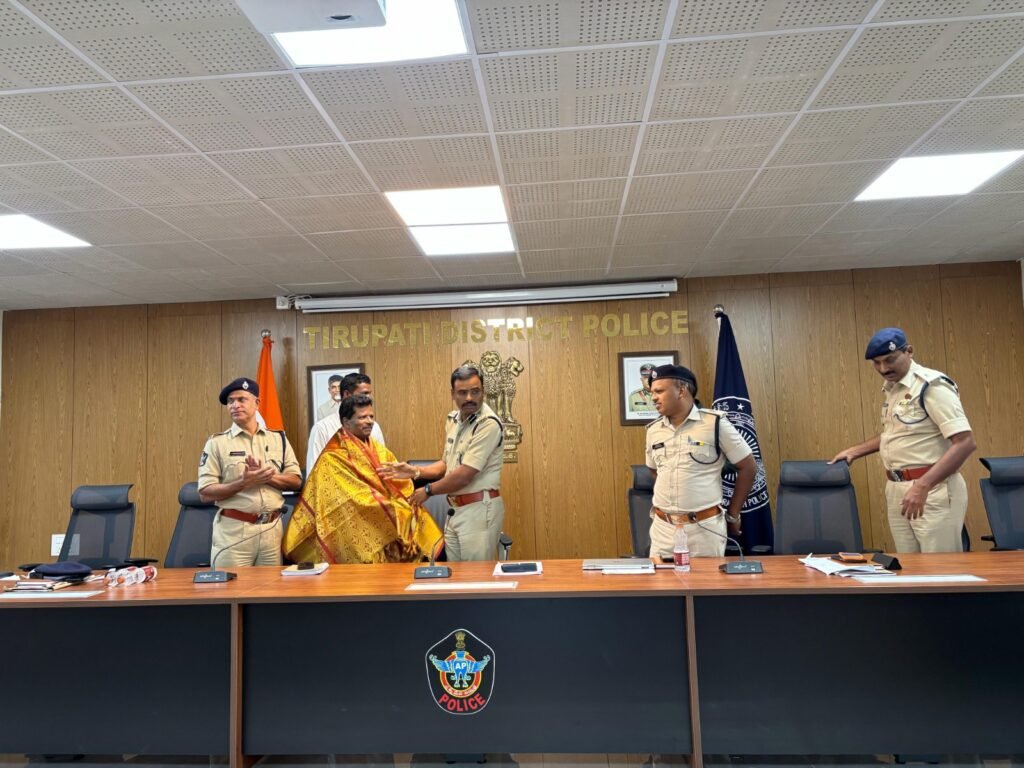
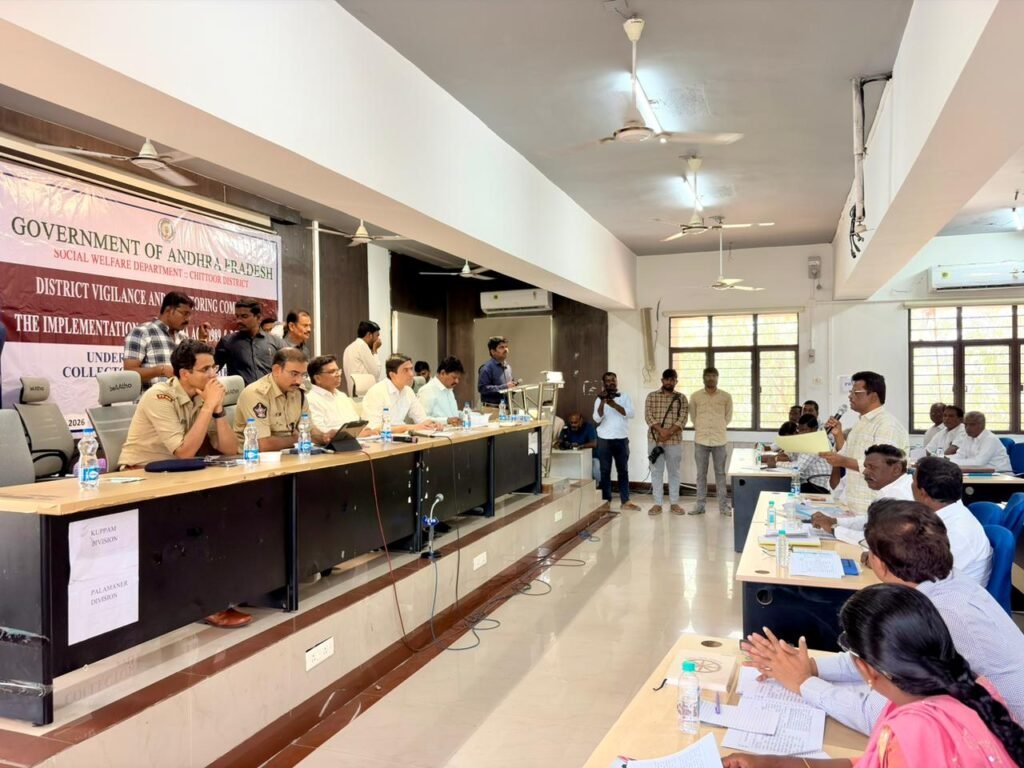
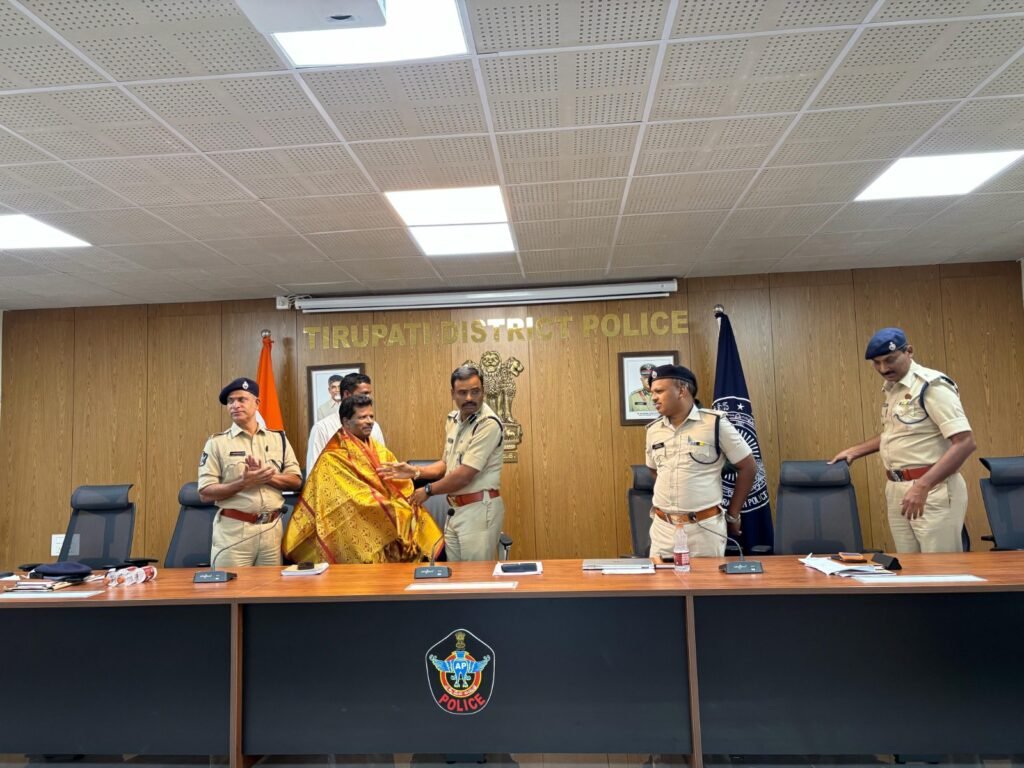
To strengthen the response system against bonded labour, ROPES organized awareness workshops and training programmes for police officials, government departments, and stakeholders.
These initiatives enhanced knowledge on bonded labour laws, victim identification, rescue procedures, rehabilitation mechanisms, and interdepartmental coordination for effective action.
Rescue and Rehabilitation of Bonded Labourers :
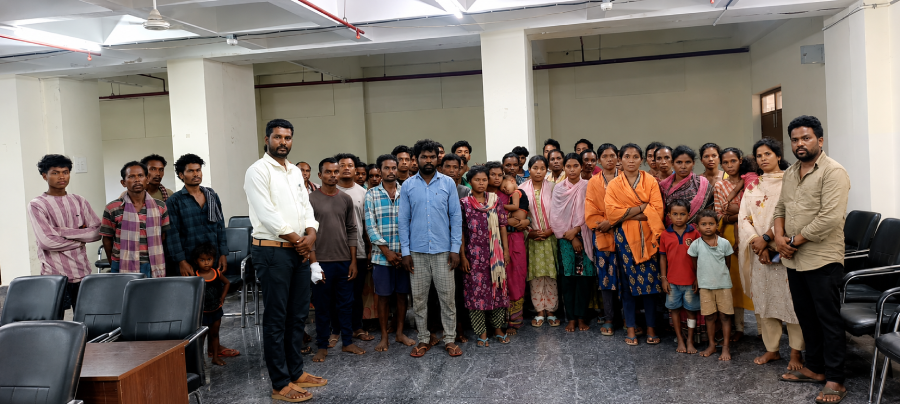
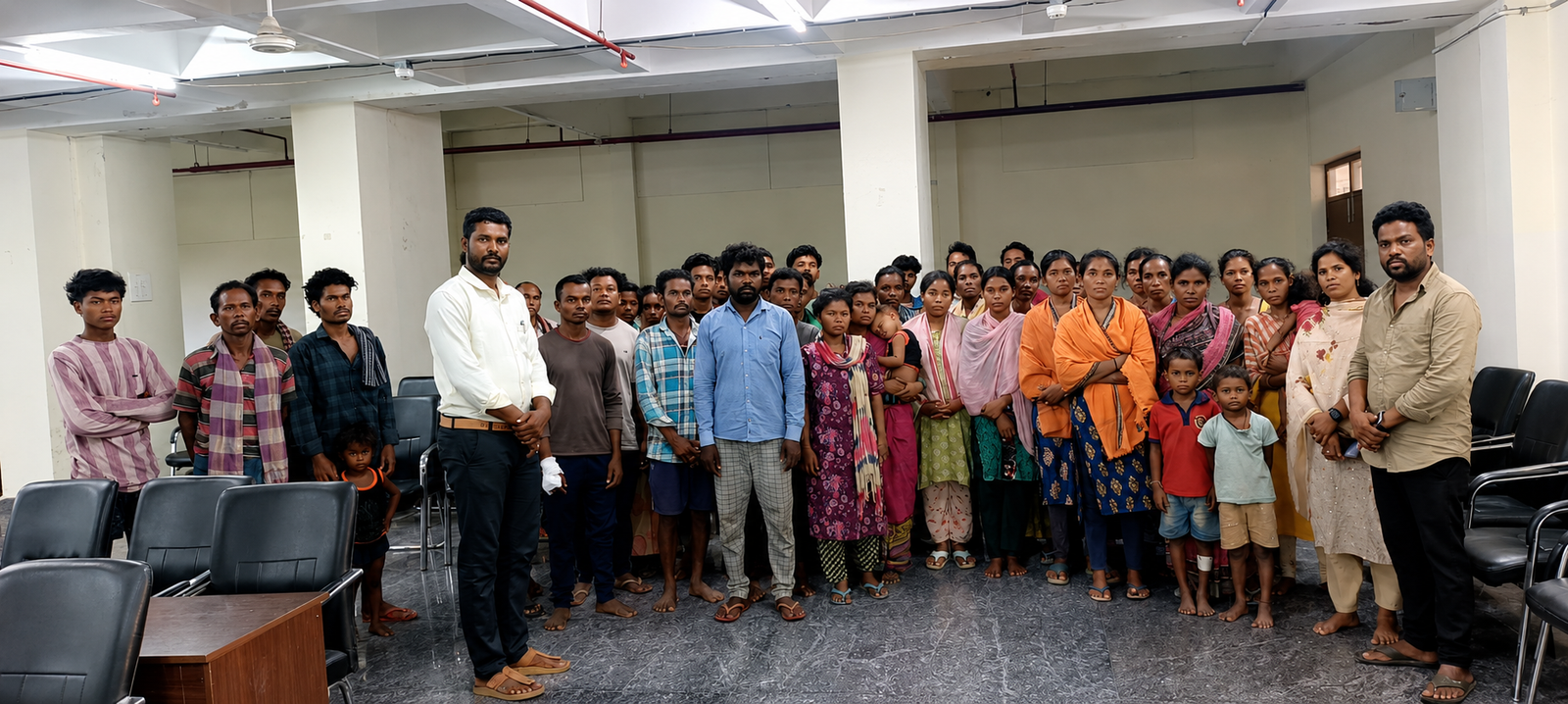
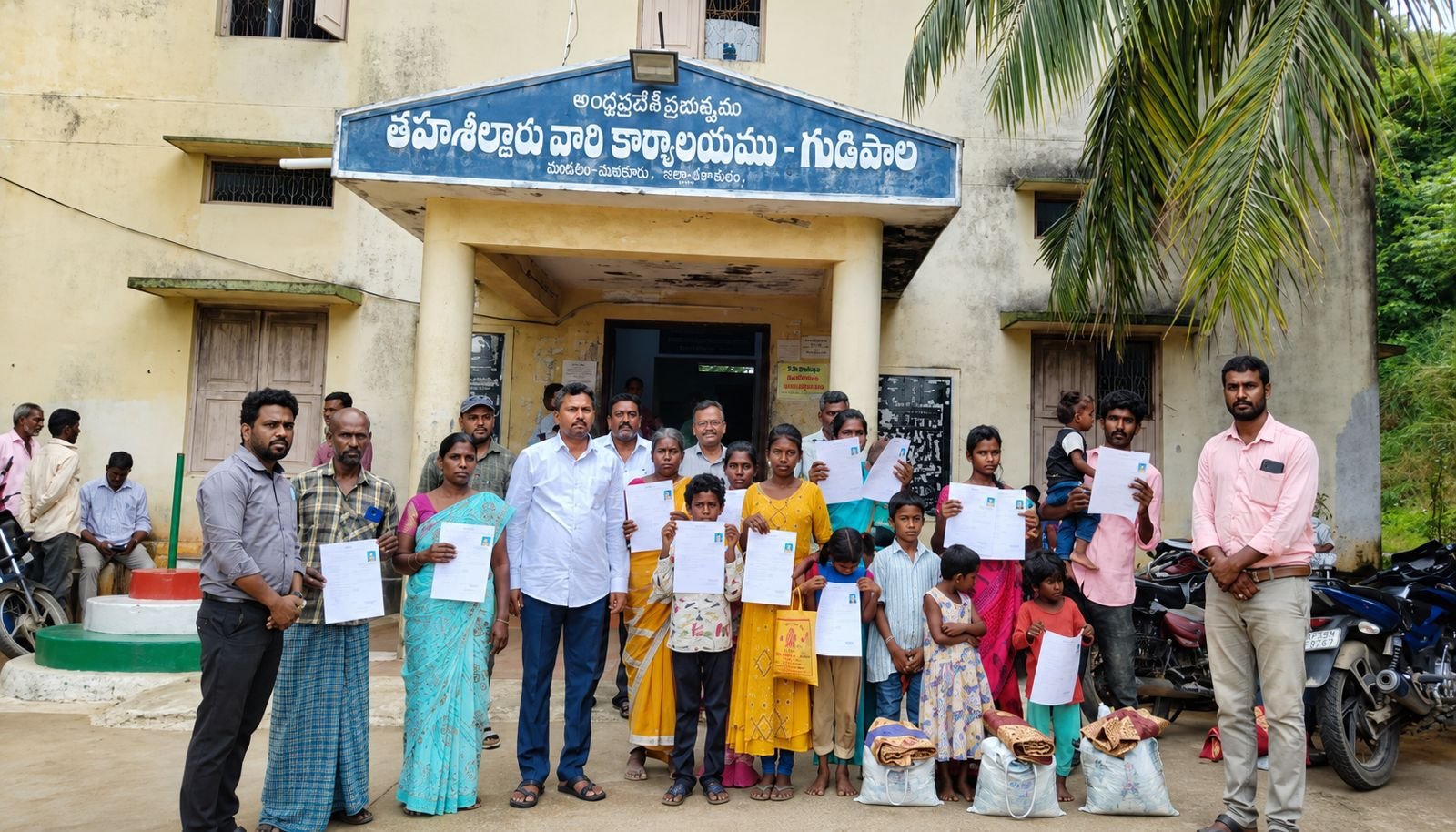
ROPES actively supports the rescue, restoration, and rehabilitation of bonded labourers across Chittoor, Tirupati, and Annamayya districts. During the reporting period, the organisation facilitated the rescue of bonded labourers from brick kilns, duck-tending units, mango farms, and cement brick manufacturing units, helping them escape exploitation and regain their freedom.
A total of 141 bonded labourers received Release Certificates and were linked to rehabilitation support, welfare schemes, and livelihood opportunities. In addition, ROPES played a key role in rescuing and restoring more than 500 bonded labourers from Telangana to their native places in Andhra Pradesh and Tamil Nadu. Through these efforts, vulnerable families were supported to rebuild their lives with dignity, security, and sustainable livelihood opportunities.
Rescue Operations and Survivor Support :
Through coordinated rescue operations with district administration, labour departments, and law enforcement agencies, ROPES supported vulnerable Dalit, Tribal, Irular, and Yanadi communities affected by labour exploitation. Survivors were linked to rehabilitation services, compensation benefits, welfare schemes, and livelihood opportunities, helping them rebuild their lives with dignity and security.
Building Champions – Training Our Frontline Force :
ROPES organized specialized training programmes for staff, volunteers, and community mobilisers with technical support from the International Justice Mission (IJM). These trainings strengthened their capacity to identify bonded labour cases, support rescue operations, facilitate rehabilitation, and promote community-based prevention mechanisms.
Strategic Mapping and Research :
To better understand labour exploitation patterns, ROPES conducted strategic mapping exercises in Chittoor and Tirupati districts. The initiative identified vulnerable communities, high-risk sectors, and priority intervention areas, enabling the organization to implement targeted prevention, rescue, rehabilitation, and advocacy programmes.
Human Trafficking and Bonded Labour Workshops :
ROPES collaborated with the Labour Department and International Justice Mission (IJM) to organize district-level workshops on human trafficking and bonded labour. These workshops strengthened coordination among government departments and reinforced collective efforts to prevent exploitation, protect vulnerable communities, and improve rehabilitation services.
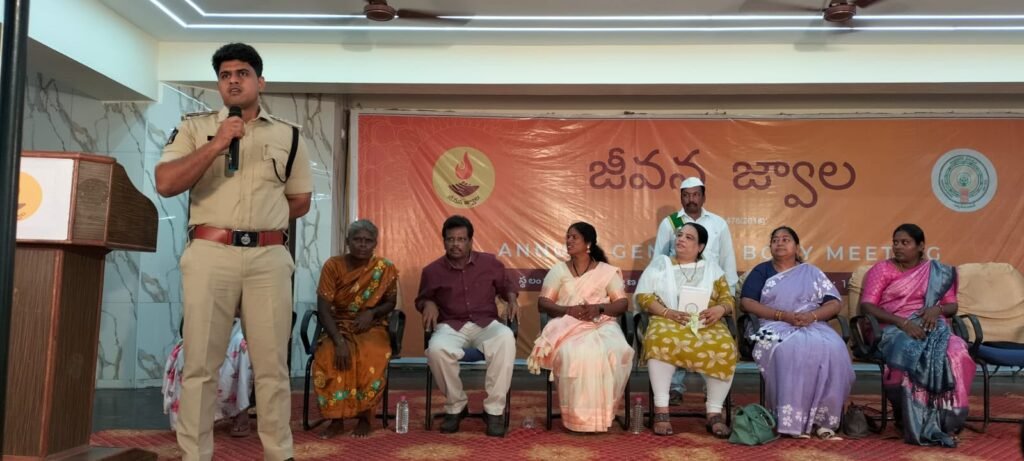
Jeevan Jwala – Survivor Leadership Programme :
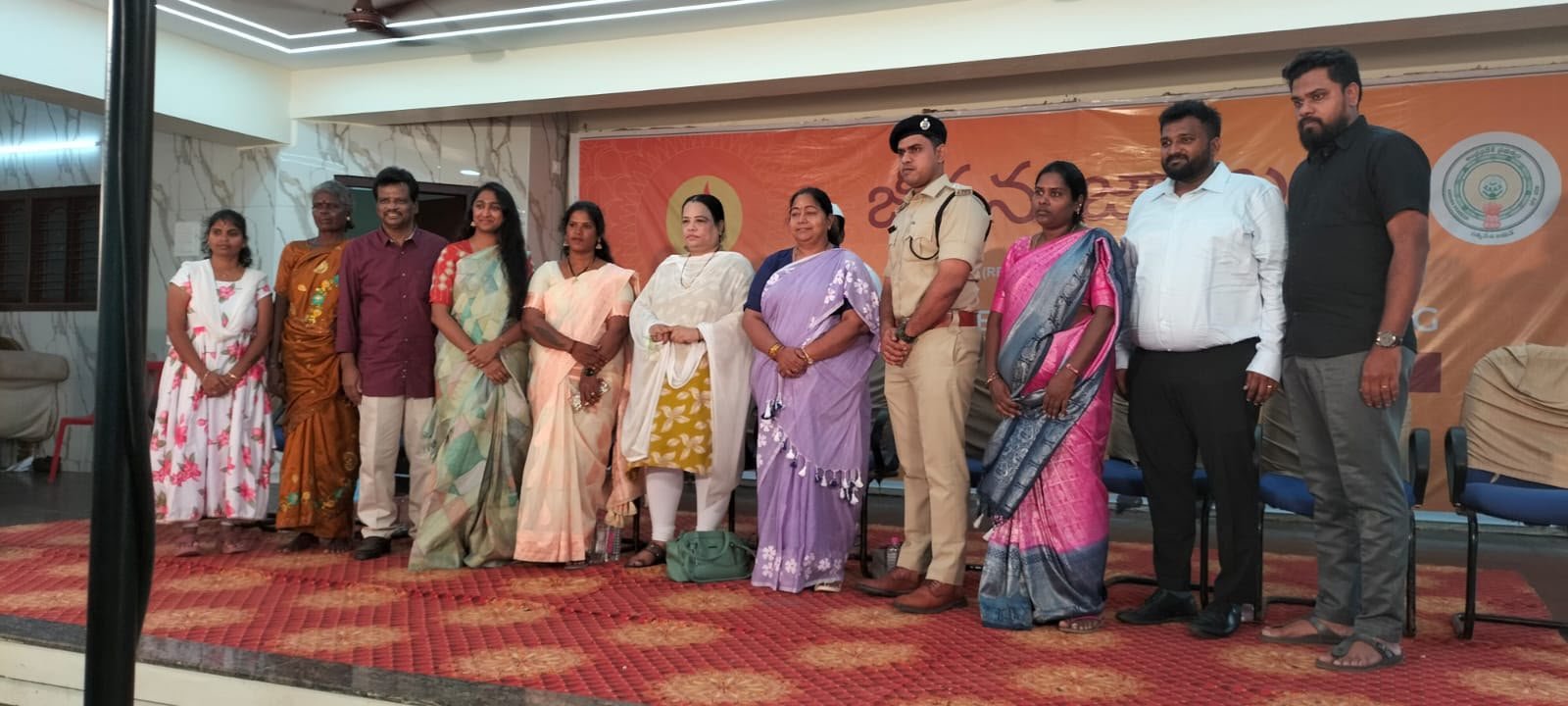
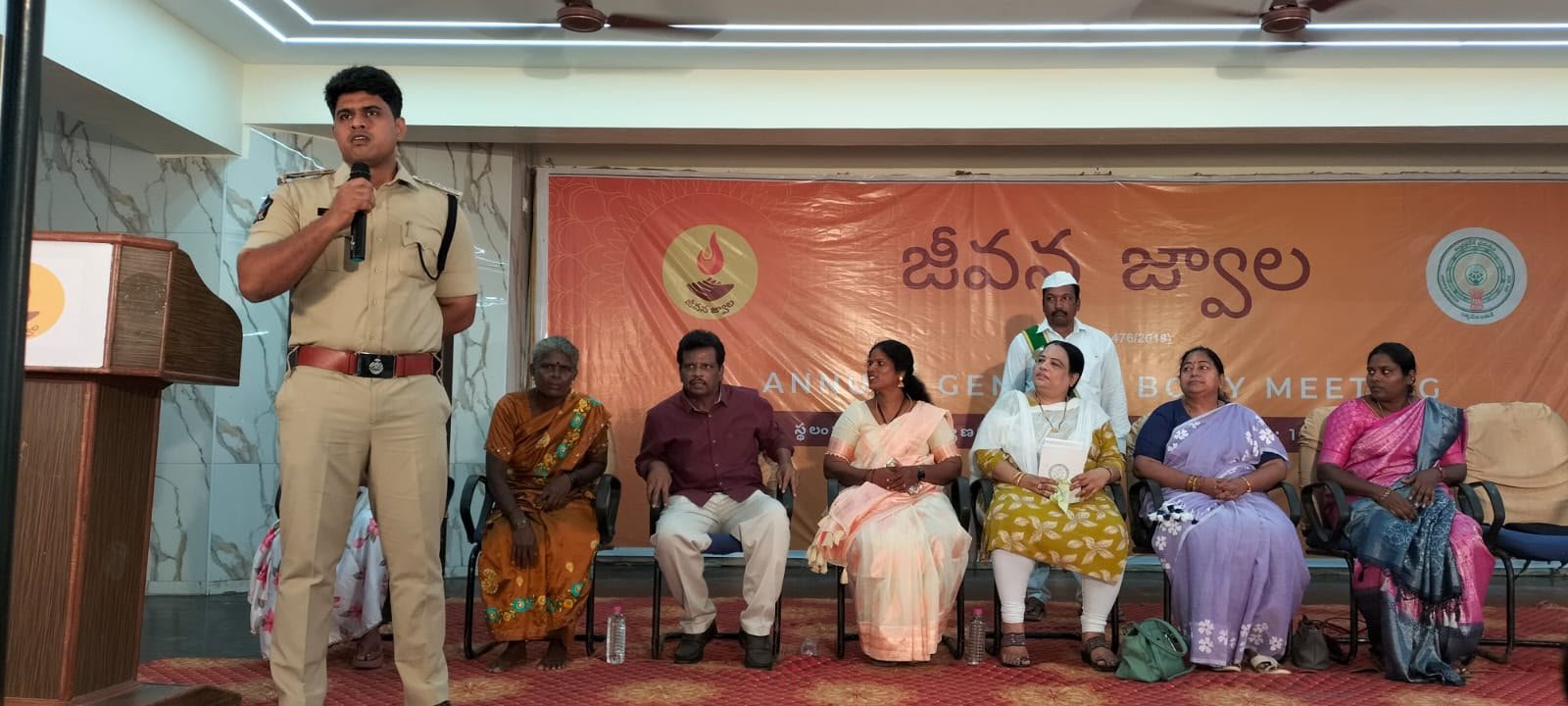
ROPES organized the Jeevan Jwala Survivor Leadership Programme to empower bonded labour survivors as community leaders and advocates. The training strengthened leadership skills, self-confidence, and awareness of rights among survivors, enabling them to support awareness campaigns, community action, and prevention initiatives at the grassroots level.